
Reviewed · AMERICAN HISTORY MUSEUM
Smithsonian Natural History + American History – Exclusive Tour
The best thing about this Washington tour is its focus: two enormous Smithsonian museums, one guide, and a clear path through the displays that can otherwise swallow a whole day. You’ll see the Hope Diamond, T-Rex skeleton, Star-Spangled Banner, and Dorothy’s ruby slippers without spending half your visit staring at a map.
I like the small-group feel and the way the tour links objects to real stories, from a cursed blue diamond to a lunch counter that recalls the civil rights movement. I also like the guide’s ability to keep a mixed-age group moving, though a private tour is only as good as the guide’s willingness to adjust the pace and subject matter to your family.
In This Review
- Key details before you book
- Why these two Smithsonian museums work well together
- Henry the elephant and the Natural History Museum
- The break between museums
- The Star-Spangled Banner and American memory
- The real value is the guide
- Private tour or the lower-cost option?
- Practical matters that affect your day
- Who should book this Smithsonian tour?
- FAQ
- How long does the Smithsonian museum tour last?
- Where does the tour begin and end?
- Are museum admission tickets included?
- Is hotel pickup included?
- Can I book a private tour?
- Is the tour wheelchair friendly?
- Should you book it?
Key details before you book
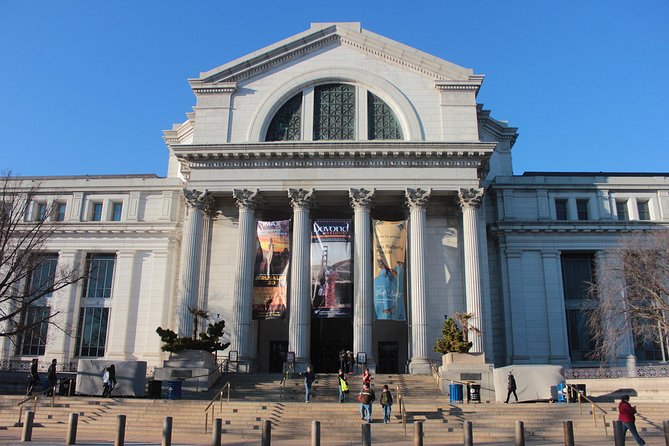
- Two Smithsonian museums in 5.5 hours: Plan on about 2 hours and 30 minutes in each museum, with a lunch break between them.
- Big-name objects included: See Henry the elephant, the Hope Diamond, fossil dinosaurs, the Star-Spangled Banner, First Ladies gowns, ruby slippers, and more.
- Private and semi-private choices: The regular private format gives your group its own guide, while the save-money option does not.
- Expert guides shape the day: Stephen Mead, Meghan Hanson, Rebecca, Brenda, Donna, Richard Robinson, and Meghan have all led highly praised tours associated with this experience.
- No hotel pickup: Meet at 1010 Madison Drive NW at 10:00 a.m. and finish at the National Museum of American History.
- Good planning matters: Small bags are allowed through security, but large bags and suitcases are not.
Why these two Smithsonian museums work well together
Washington has enough free museums to make a first visit feel like an academic exam. The Smithsonian National Museum of Natural History and the National Museum of American History are both huge, and each can easily fill several hours on its own.
This tour solves the main problem: deciding what matters most. Instead of wandering from room to room, you follow a guide who can point out the major displays, explain why they matter, and keep the day from dissolving into random cases of rocks, uniforms, furniture, and famous objects.
The tour costs $166.15 per person, while admission to both museums is free. That means you are paying for the guide, structure, time saved, and private attention, not for entrance tickets. For a first visit, that can be a fair trade. If you love exploring at your own pace or already know these museums well, the price will be harder to justify.
The tour begins at 10:00 a.m. at 1010 Madison Drive NW. It ends at the American History Museum, so you should plan your transportation around two different points. Hotel pickup and drop-off are not included. A taxi or Uber is suggested, and public transportation is nearby.
More American History Museum tours:
- Guided African American History Tour with Reserved Museum Entry
★ 4.5 · 1,180 reviews - African American History Tour with Museum of African American History Ticket
★ 4.5 · 390 reviews - Washington, DC: African American History Tour & Museum Entry
★ 4.9 · 312 reviews
Henry the elephant and the Natural History Museum
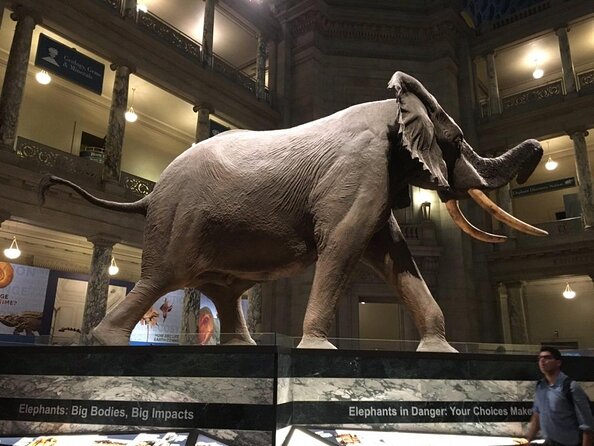
The morning begins at the National Museum of Natural History, where a taxidermied African elephant named Henry greets you in the rotunda. Henry is a useful first lesson in what this museum does best: it takes enormous subjects and puts them in front of you at human scale, or in Henry’s case, elephant scale.
The collection covers stones, bones, insects, animals, fossils, and the forces that shape the natural world. A guide helps you avoid getting trapped by the sheer number of cases. You can expect the tour to focus on the museum’s most famous rooms and objects rather than attempting to cover every corridor.
The Hope Diamond is the obvious star. Its famous blue color and stories of bad luck give the display an easy hook, but the appeal is not only the legend. The stone also lets your guide explain how diamonds form, why their color matters, and how an object can become famous far beyond its scientific value.
The recently renovated Fossil Hall is another major stop. Mastodon, T-Rex, and Diplodocus fossils loom over the room, giving the museum a strong sense of scale. This is the part of the tour most likely to hook children, but adults get plenty from it too. A guide can turn the skeletons from impressive shapes into clues about how scientists understand extinct animals.
You’ll also see the kind of smaller displays that are easy to pass by when you are visiting alone. That can be a strength of a guided visit. The drawback is that personal interests may get less time than you want. If you are fascinated by minerals, insects, or a particular scientific topic, tell your guide early and ask for room in the schedule.
The Natural History portion lasts about 2 hours and 30 minutes. That is enough time for a well-chosen route, but not enough for a slow look at everything. You should think of it as a highlights tour with explanation, not a full survey of the museum.
The break between museums
A lunch break separates the two museum visits. The supplied details do not specify a restaurant, meal, or exact break length, so plan to arrange and pay for your own food.
This pause matters more than it may seem. Five and a half hours in museums is a long stretch, especially for children or anyone who has spent the morning on their feet. Use the break to eat, rest, and tell your guide what you want from the American History Museum.
The museums are close enough to combine in one day, but the walk and security process still take time. Wear comfortable shoes and keep your bag small. The museums do not allow large bags or suitcases inside, and only handbags or small, thin backpacks can pass through security.
The Star-Spangled Banner and American memory
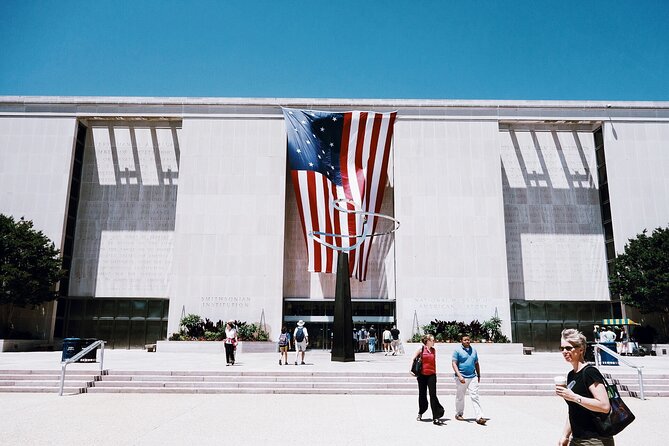
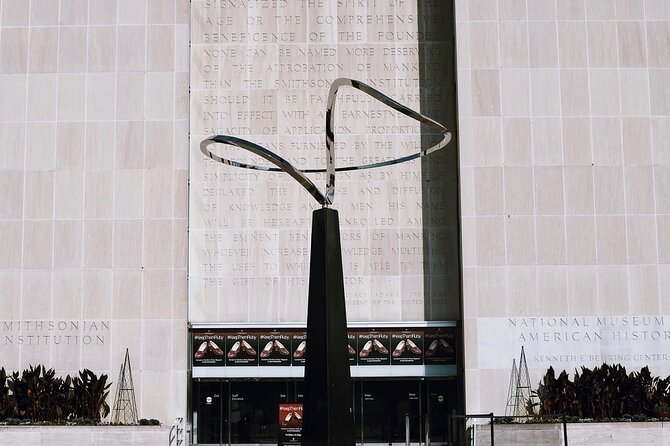
The second half takes place at the National Museum of American History, located at 1300 Constitution Avenue NW. Here the focus shifts from nature to the objects people have made, used, fought over, and remembered.
The Star-Spangled Banner is the centerpiece. The flag flew over Fort McHenry during the War of 1812 and helped inspire the song that later became the national anthem. Seeing the actual flag gives the story physical weight. It is not just a symbol on a page. It is a worn, enormous piece of fabric tied to a particular night, battle, and national memory.
The First Ladies exhibition is another major stop. It is described as the most visited exhibition in Smithsonian history, and its appeal is easy to understand. Dresses, personal objects, and presidential-era details make political history feel domestic and human. You can see how fashion, public image, and the role of the first lady changed over time.
Dorothy’s ruby slippers provide a lighter but no less memorable moment. They rival the Hope Diamond in fame, and they show how popular entertainment becomes part of national culture. The American History Museum is at its best when it places political objects beside everyday objects and pop culture.
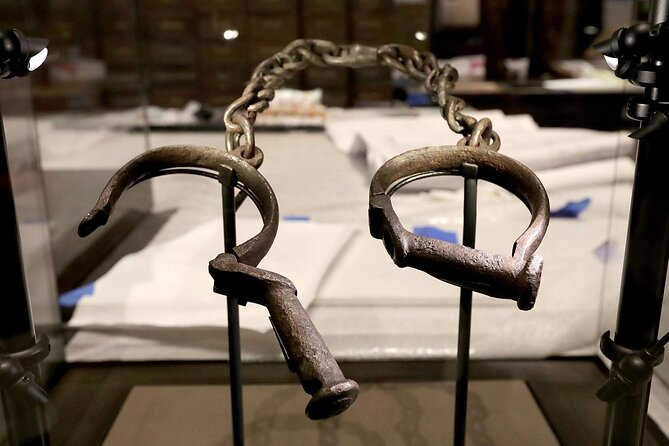
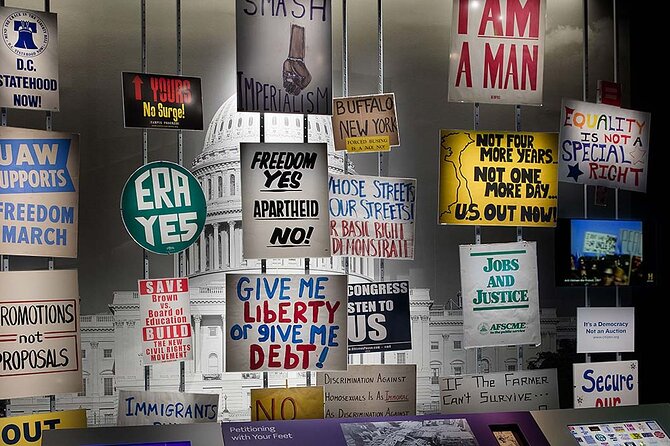
The Greensboro Lunch Counter brings a sharper edge. It recalls the sit-in movement and shows that American history is also made through protest, risk, and ordinary people challenging unfair rules. This is one reason a guide adds value. The object itself is simple, but the surrounding story gives it force.
You may also pass through displays of cars, trains, kitchens, military uniforms, political material, and Hollywood memorabilia. Those objects can pull different generations into the same conversation. A grandparent may stop at military items, a child may prefer cars or film, and a parent may spend longer with the civil rights displays.
The American History portion also lasts about 2 hours and 30 minutes. As with Natural History, the pace is deliberate. You will see a wide range of the museum, but you should not expect to examine every exhibit in detail.
More Natural History Museum tours:
- Smithsonian Museum of Natural History – Exclusive Guided Tour
★ 5.0 · 446 reviews - Smithsonian Museum of Natural History Small Group Tour: 8ppl Max
★ 5.0 · 177 reviews - Smithsonian National Museum of Natural History Guided Tour
★ 4.1 · 159 reviews - Smithsonian Natural History + Air and Space Museum Private Tour
★ 5.0 · 67 reviews
The real value is the guide
The best part of this experience is not simply access to famous objects. The museums are free, and you can walk into them without a tour. The value is having someone decide what deserves your attention and explain the human story behind it.
Several guides have earned especially strong praise. Stephen Mead is described as energetic, easy to follow, and skilled at moving a group through the important displays. Meghan has been praised for keeping three boys engaged and for arranging a wheelchair for a child with special needs. Meghan Hanson has been noted for shaping the day around a 12-year-old’s interests and helping a multigenerational group relax.
Rebecca, Brenda, Donna, and Richard Robinson have also been singled out for strong storytelling and broad command of both museums. Guide assignments can change, so you should not book on the assumption that one particular person will lead your tour. If you have a preference, ask at booking whether that guide is available.
Small groups make a meaningful difference. One private group reported six people in Natural History and four in American History, though group size can vary by booking type. With fewer people, you can ask questions without holding up a large crowd, and your guide has a better chance of noticing when a child, older adult, or first-time visitor needs a pause.
Still, private does not automatically mean perfectly customized. One family felt the guide did not adapt enough to a 13-year-old’s interests and spent too much time on architecture. That is a useful warning. Tell your guide what your group actually wants, especially if you have children, limited mobility, or a strong interest in one subject.
Private tour or the lower-cost option?
The private version includes a guide exclusively for your group. It is the better choice if you want to ask many questions, set the pace, or balance the interests of children and adults.
The semi-private option is offered as a savings choice, but the exclusive guide arrangement does not apply. Wheelchair-friendly service also does not apply to that option, according to the supplied terms. If accessibility or personal attention is important, confirm the exact format before paying.
At $166.15 per person, the tour makes the most sense for a first-time Washington visitor with limited time. It can also work well for families who would rather have a clear route than manage two giant museums alone. A group discount may improve the value for larger parties.
The price is less appealing if you are happy to read labels, skip displays, and return to your favorite rooms later. Since admission is free, a self-guided visit costs far less. You are buying efficiency and interpretation here.
Practical matters that affect your day
The tour is offered in English and uses a mobile ticket. Confirmation arrives when you book, and you must provide a mobile phone number with the country code. Keep your phone charged, since the operator may need to contact you.
A moderate level of physical fitness is recommended. Expect museum walking and time on your feet, even though the experience is listed as wheelchair friendly in the private format. Appropriate dress is required for entry into some sites on the tour.
Security lines can still form, even when a tour includes skip-the-line or no-wait language. Some rooms may require quiet or restrict speaking, and your guide will explain those rules before you enter. Museum collections can change during the year, and either museum may close without advance warning.
If a museum opens more than an hour late, an alternative is promised, but no refund or discount is provided in that situation. Free cancellation is available if you cancel at least 24 hours before the 10:00 a.m. start time. Changes or cancellations made inside that window are not accepted for a refund.
Who should book this Smithsonian tour?
I would choose this tour if you have one day for the Smithsonian museums and want the major objects placed in context. It is especially useful for first-time visitors, families, and groups with different ages or interests.
You should also consider it if the idea of navigating two huge museums feels tiring. The guide keeps the route moving and gives you a sensible stopping point for lunch.
I would skip it if you prefer long, quiet visits to a few exhibits, or if you want to spend a full day at only one museum. The fixed schedule limits wandering, and the cost is significant when the museums themselves are free.
FAQ
How long does the Smithsonian museum tour last?
The experience lasts about 5 hours and 30 minutes, including the lunch break. About 2 hours and 30 minutes are allocated to each museum.
Where does the tour begin and end?
It begins at 1010 Madison Drive NW, Washington, DC, at 10:00 a.m. It ends at the National Museum of American History at 1300 Constitution Avenue NW.
Are museum admission tickets included?
The guided combo tour is included, but admission to the museums is listed as free. The price mainly covers the guided experience and tour organization.
Is hotel pickup included?
No. Hotel pickup and drop-off are not included. Taxi or Uber is recommended, and the meeting area is near public transportation.
Can I book a private tour?
Yes. The private format provides a guide exclusively for your group. A semi-private option is available at a lower price, but it does not include a guide exclusively for your group.
Is the tour wheelchair friendly?
The private tour is listed as wheelchair friendly. This does not apply to the save-money semi-private option, so confirm the format when booking.
Should you book it?
Book this tour if you want to see the Smithsonian highlights without turning your day into a navigation project. The combination of Henry, the Hope Diamond, T-Rex fossils, the Star-Spangled Banner, Dorothy’s slippers, and the Greensboro Lunch Counter gives you both wonder and substance.
For the best result, book the private format, wear comfortable shoes, bring only a small bag, and tell your guide your group’s interests at the start. If you need a wheelchair or are bringing children, say so before the tour. The free museums are easy to enter on your own, but a strong guide can make five and a half hours feel focused rather than overwhelming.
More history tours in Washington DC
- DC Monuments & History Guided E-Cart Tour-Blankets
★ 4.5 · 450 reviews - Historic Georgetown: History, Gossip, & Architecture Walking Tour
★ 5.0 · 321 reviews - DC’s Original Food and History Walking Tour
★ 5.0 · 255 reviews - Tastes of Georgetown Food & History Small Group Walking Tour
★ 4.5 · 203 reviews
More Smithsonian museum tours
- Smithsonian Museums Walking Tour with Reserved Air & Space Entry
★ 5.0 · 297 reviews - Smithsonian Museum of American History Exclusive Guided Tour
★ 5.0 · 245 reviews - The Smithsonian National Air & Space Museum Exclusive Guided Tour
★ 5.0 · 214 reviews - Smithsonian Air & Space Museum Guided Tour Semi-Private 8ppl Max
★ 5.0 · 154 reviews
Recently added around Washington DC
- Small Group Washington DC Night Tour★ 4.5 · 3 reviews
- Washington DC Neighborhoods Personalized Self-Guided App Tour★ 3.5 · 3 reviews
- America’s Main Street and White House Private Full-Day Tour★ 5.0 · 3 reviews
- Beyond the Closet Walking Tour★ 5.0 · 3 reviews
- Pirate Ship Treasure Hunt Cruise with Face Painting★ 4.5 · 3 reviews
- Sushi Masterclass in Washington D.C. (Includes 4-Course Meal)★ 5.0 · 3 reviews
- Private Washington DC Grand Tour with Changing of the Guard.★ 5.0 · 3 reviews
- 250th: National Archives & American History Museum Guided Tour★ 5.0 · 3 reviews
American History Museum, compared.
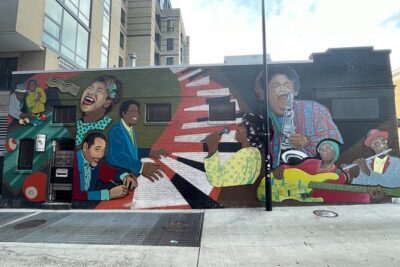
Guided African American History Tour with Reserved Museum Entry
Read our review →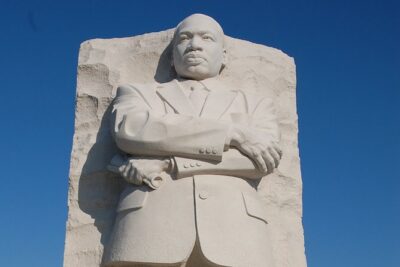
African American History Tour with Museum of African American History Ticket
Read our review →
Smithsonian Museum of American History Exclusive Guided Tour
Read our review →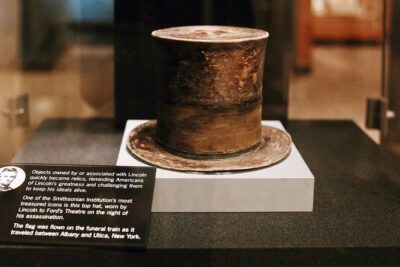
Smithsonian Museum of American History Semi-Private 8ppl Max
Read our review →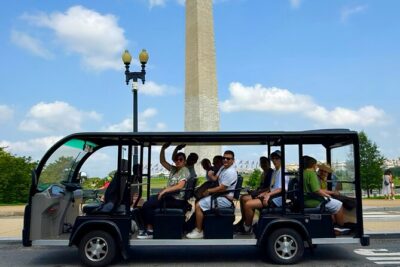
DC Monuments Day or Night American History Electric Cart Tour
Read our review →
National Archives + American History Museum Tour 8ppl Max
Read our review →
National Archives + American History Museum Exclusive Guided Tour
Read our review →Browse the lists this tour appears in