
Reviewed · NATURAL HISTORY MUSEUM
Smithsonian Museum of Natural History – Exclusive Guided Tour
The Smithsonian National Museum of Natural History is so large that a first visit can feel like opening ten museums at once. This two-hour tour gives you a clear path through the biggest sights, from the 46-karat Hope Diamond and Egyptian mummies to dinosaurs, elephants, and Ocean Hall.
I like the way the guides turn displays into stories, and I like the focused route through a building covering the area of 18 football fields. Guides such as Leigh, Meghan, Christopher, Rebecca, Amanda, and Tim have earned praise for humor, strong subject knowledge, and keeping children involved. The main drawback is price: at $89.67 per person, you are paying for guidance rather than museum admission, which is free.
In This Review
- Key points to know before you book
- Why a guide helps in an 18-football-field museum
- Start with the Hope Diamond and the mineral halls
- Ancient Egypt through mummies and burial customs
- Mammals bring the museum back to the living world
- Dinosaurs, extinction, and the Megalodon
- Ocean Hall and Phoenix, the 45-ton whale
- What the guides do best
- Is $89.67 per person good value?
- Timing, meeting point, and practical details
- Who should book this Smithsonian tour?
- Should you book it?
- FAQ
- How much does the tour cost?
- How long does the tour last?
- What museum does the tour visit?
- What are the main exhibits on the route?
- Is the tour private?
- Are morning and afternoon start times available?
- Where does the tour meet?
- Is the tour wheelchair friendly?
- Can I cancel for a refund?
Key points to know before you book
- The Hope Diamond is an early highlight: You’ll see the famous blue stone, listed at 46 karats, along with other major gems and minerals.
- The route covers several different worlds: Expect geology, ancient Egypt, mammals, dinosaurs, and marine life in one compact visit.
- The guide is the real value: A good guide helps you avoid wandering and adds stories you could easily miss on your own.
- Morning and afternoon starts are available: That makes it easier to fit the visit around other Washington plans.
- Private and semi-private choices differ: The private option includes a guide exclusively for your group, while the save-money semi-private option does not.
- Plan for museum security: Large bags and suitcases are not allowed. Bring only a handbag or small thin backpack.
Why a guide helps in an 18-football-field museum
The National Museum of Natural History is not short on things to see. Its collection contains 126.5 million artifacts, and the building covers an enormous area. That scale is exciting, but it can also make a self-guided visit feel scattered.
With only two hours, you need someone to make choices for you. The guide moves you from one major section to the next and explains why each display matters. You are not left staring at a case full of stones, wondering which one deserves your time.
The best part is the human connection. Guides including Meghan and Leigh have been praised for making science easy to follow through humor and storytelling. Christopher has been singled out for keeping families engaged on busy days, while Amanda and Donna have done especially well with children.
That matters because this is not a quiet little museum with a single theme. You move from minerals to burial customs, then to mammals, dinosaurs, and the ocean. A guide provides the thread that holds those subjects together.
More Natural History Museum tours:
- Smithsonian Museum of Natural History Small Group Tour: 8ppl Max
★ 5.0 · 177 reviews - Smithsonian National Museum of Natural History Guided Tour
★ 4.1 · 159 reviews - Smithsonian Natural History + Air and Space Museum Private Tour
★ 5.0 · 67 reviews
Start with the Hope Diamond and the mineral halls
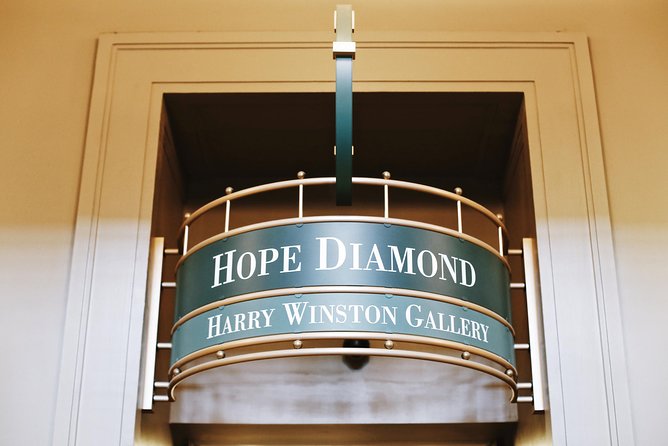
The tour begins with some of the museum’s most recognizable objects: the Hope Diamond and the surrounding collection of gems and minerals.
The Hope Diamond is a natural attention-grabber. Its blue color and 46-karat size make it easy to understand why it became famous, but the guide adds context that a label cannot provide. You may also hear about its former connection to Marie Antoinette, one of the details that gives the stone a life beyond its display case.
The mineral section is worth more than a quick glance. The Dom Pedro Aquamarine is the major showpiece here, described as the largest gem of its type in the world. Its internal glow gives the stop a strong visual payoff, especially early in the visit when you still have plenty of attention for small details.
A guide can also help you compare objects instead of simply walking past them. That is useful for children, who may respond more to color and size than to mineral names, and for adults who want a little geology without a lecture.
You should know that two hours cannot cover every case. If gemstones are your main interest, plan to return after the guided portion. That is one of the smartest ways to use this tour: let the guide establish priorities, then spend independent time in the section that catches you.
Ancient Egypt through mummies and burial customs
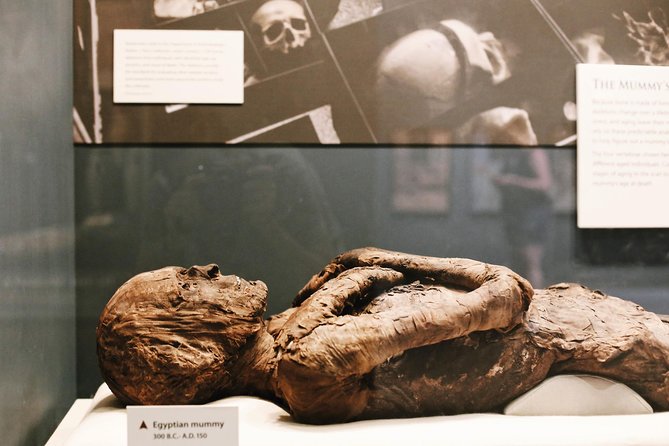
The route then shifts from the earth’s minerals to human beliefs about death. Real mummies from Ancient Egypt provide the visual focus, but the more interesting part is the explanation of Egyptian burial customs.
This stop gives you a chance to understand mummies as part of a belief system, not simply as old bodies in glass cases. The guide can explain how preserving the physical body connected to ideas about the soul’s journey after death.
That wider context makes the displays more meaningful. Ancient Egypt lasted for more than 3,000 years, so it is worth resisting the usual image of a single, unchanging civilization built around pyramids. A good guide helps you see the people, rituals, and changing ideas behind the objects.
This portion may be especially useful for families. Children often remember the mummies, but a story about why the Egyptians preserved the body gives them something more lasting than a spooky museum moment.
Some rooms have quiet or restricted speaking rules. Your guide will explain these before you enter, so you can listen carefully and avoid treating a solemn space like a normal gallery.
Mammals bring the museum back to the living world
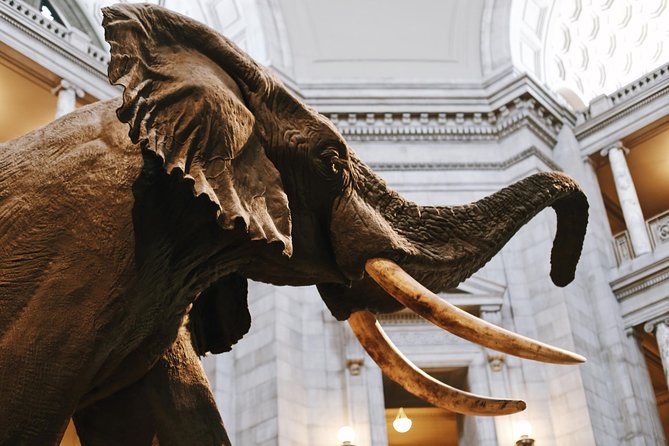
After the mummies, the tour shifts into the animal halls. Polar bears, elephants, and giraffes show the variety of life on earth, and the change of subject keeps the pace moving.
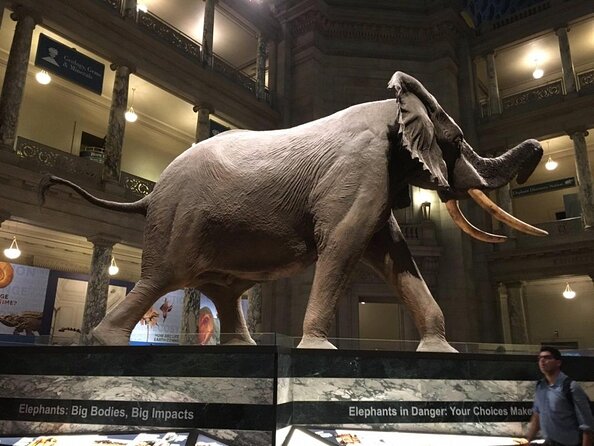
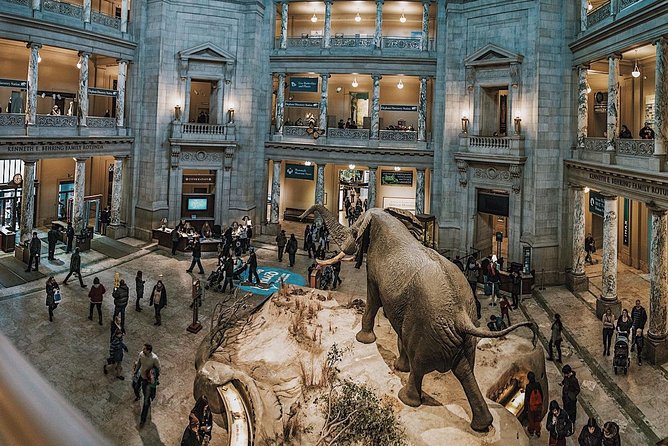
Henry the elephant is one of the named favorites in the museum’s mammal section. The large specimens are easy to appreciate at a glance, but the guide helps you notice details about scale, adaptation, and the environments these animals inhabit.
This is another point where a guide saves time. A huge animal display may draw a crowd, and the route can become hard to follow when the museum is busy. Guides such as Rebecca and Brenda have been praised for steering groups through crowded areas while still explaining the displays.
Families should find this section approachable, especially if younger children have started to lose interest in stones or ancient burial practices. Donna has been praised for asking children what they wanted to see and adjusting the visit around those interests. That kind of flexibility is useful, though the overall route remains limited by the two-hour schedule.
More Smithsonian museum tours:
- Smithsonian Museums Walking Tour with Reserved Air & Space Entry
★ 5.0 · 297 reviews - Smithsonian Museum of American History Exclusive Guided Tour
★ 5.0 · 245 reviews - The Smithsonian National Air & Space Museum Exclusive Guided Tour
★ 5.0 · 214 reviews - Smithsonian Air & Space Museum Guided Tour Semi-Private 8ppl Max
★ 5.0 · 154 reviews
Dinosaurs, extinction, and the Megalodon
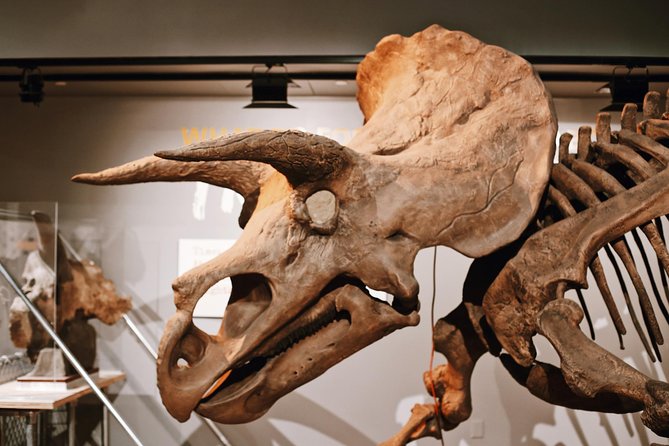
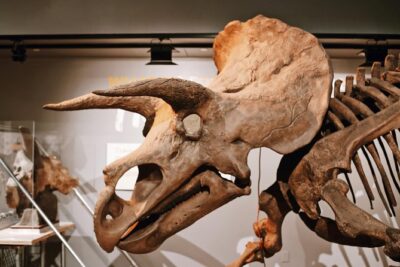
The dinosaur displays add another major attraction, but the value here is not only in seeing large bones. The guide can connect the fossils to the changing story of life on earth.
One memorable point is that Tyrannosaurus rex lived in the late Cretaceous period, making it closer in time to us than to many Jurassic dinosaurs. Another is that dinosaurs are not simply extinct reptiles in the old-fashioned sense. Modern birds are their descendants.
The tour may also bring in the asteroid impact 66 million years ago, an event linked to the loss of about 75 percent of life on earth. Details like this help turn a fossil display into a story about change, survival, and the fragility of life.
The Megalodon provides a dramatic later stop. Its scale makes it an easy favorite, especially for children, and it gives the dinosaur section a natural bridge into the ocean exhibits.
The exact collections and displays can change during the year, so no museum route is completely fixed. The main subjects are clear, but individual rooms or exhibits may vary.
Ocean Hall and Phoenix, the 45-ton whale
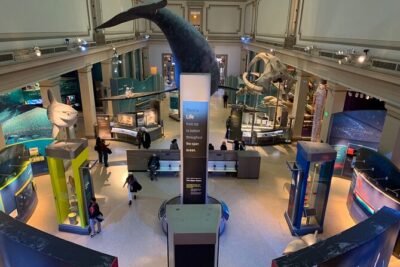
The final part of the route moves from land into the sea. Ocean Hall includes a live coral reef exhibit and Phoenix, a 45-ton whale replica based on a real living whale tracked by the museum.
Phoenix gives the section a strong centerpiece. A whale this large is difficult to grasp from a photograph, and standing beneath or beside a full-size replica makes the animal’s scale plain.
The live coral reef display adds a different experience. Instead of a fossil or mounted animal, you see a living system. It is a useful reminder that natural history is not only about the past. It also concerns the living world around you now.
By ending with the ocean, the tour completes a broad sweep through earth science, human culture, animal life, extinction, and marine biology. You will not become an expert in any one field in two hours, but you will leave with a map of the museum and a better idea of where to spend more time.
What the guides do best
The strongest part of this experience is the guide’s ability to keep information moving. Meghan has been praised for combining facts with humor and for making each group feel like the priority. Leigh has been described as building a connected story from gemstones through Egypt and the fossil halls.
Christopher is a good name to keep in mind if you are visiting with a family on a crowded holiday weekend. His approach has been praised for mixing major sights with stories and questions. Rebecca has also been praised for covering the main sections in a building that can be hard to navigate alone.
Tim, Brenda, Amanda, Donna, Ryan, and Lynn have each received strong praise for friendliness, energy, and clear explanations. You cannot request a particular guide based on the information provided, so treat these names as examples of the type of guide you may receive, not a guarantee.
The practical benefit is just as important as the storytelling. A guide keeps the group on schedule, finds the major displays, and helps you handle crowds. If you have only one visit to the museum, that structure can be worth more than extra time spent wandering.
Is $89.67 per person good value?
Museum admission itself is free, so the $89.67 price needs to be judged entirely as a guiding fee. That is a substantial amount for two hours, especially for a large family or a group with someone who may not be able to attend.
I see the value most clearly in three situations. First, you have limited time in Washington and want a well-planned introduction. Second, you are visiting with children and need someone who can keep them interested. Third, you dislike finding your way through huge museums and prefer a focused route with explanations.
The price is harder to justify if you enjoy reading every label at your own pace or plan to spend half a day in the building. In that case, you might prefer the free admission and a self-guided visit, then return to favorite sections as your schedule allows.
The private option gives you a guide exclusively for your group. There is also a save-money semi-private option, but the dedicated guide does not apply to that choice. Check the exact option before paying, since the group arrangement changes the experience.
Timing, meeting point, and practical details
The tour begins at 1010 Madison Drive NW, Washington, DC 20004, and ends at the same meeting point. It is close to public transportation, but hotel pickup and drop-off are not included.
You can choose a morning or afternoon start. Morning is useful if you want the rest of the day for another museum or monument. An afternoon visit can work well after sightseeing elsewhere, though you should leave enough time to reach the meeting point.
Confirmation arrives at booking, and you must provide a mobile phone number with country code. That is important for day-of-tour communication.
Wear suitable clothing for museum entry and expect security screening. Large bags and suitcases are not allowed. A handbag or small, thin backpack is the safe choice.
The activity is described as wheelchair friendly for the private option. That feature does not apply to the save-money semi-private choice, so confirm the option carefully if accessibility is important.
Museum closures or delayed openings can happen without advance warning. If opening is delayed by more than one hour, an alternative may be offered, but no refund or discount is provided in that situation. Free cancellation is available up to 24 hours before the start time. Cancellations or changes inside that window are not accepted for a refund.
Who should book this Smithsonian tour?
I would choose this tour for a first visit, a short stay in Washington, or a family that wants structure. It also suits anyone who likes science and culture but does not want to spend hours deciding which halls deserve attention.
The experience is less useful for a museum regular who already knows the building or wants a slow, detailed look at one subject. The two-hour route is an introduction, not a complete visit.
If you book it, keep time afterward to revisit the Hope Diamond, minerals, mammals, or the special room that interests you most. One family used the guided visit as a quick overview, then returned to the gems because that was where the child wanted more time. That is the best strategy: use the guide to get your bearings fast, then explore independently.
Should you book it?
Book this Smithsonian Natural History Museum tour if you want the big sights, clear explanations, and a guide who can turn a massive collection into a manageable story. The strongest benefit is not skipping free admission. It is making two hours count.
Skip it if your budget is tight, you have plenty of time, or you prefer an unhurried self-guided visit. For most first-time visitors, especially families, the focused route and lively storytelling make the $89.67 fee easier to justify. Just pack light, confirm whether you are booking private or semi-private, and save some time to wander on your own.
FAQ
How much does the tour cost?
The listed price is $89.67 per person. Museum admission itself is free, so this fee pays for the guided experience.
How long does the tour last?
The tour lasts approximately two hours.
What museum does the tour visit?
It visits the Smithsonian National Museum of Natural History in Washington, DC.
What are the main exhibits on the route?
The route includes the Hope Diamond, gems and minerals, Ancient Egyptian mummies, mammals such as polar bears, elephants, and giraffes, dinosaur-related displays, Ocean Hall, a live coral reef exhibit, and Phoenix, a 45-ton whale replica.
Is the tour private?
The private option provides a guide exclusively for your group. The save-money semi-private option does not include a guide exclusively for your group.
Are morning and afternoon start times available?
Yes. You can choose between morning and afternoon start times.
Where does the tour meet?
The meeting point is 1010 Madison Drive NW, Washington, DC 20004. The activity ends back at the meeting point.
Is the tour wheelchair friendly?
The private option is wheelchair friendly. This does not apply to the save-money semi-private option.
Can I cancel for a refund?
You can cancel up to 24 hours before the experience start time for a full refund. Cancellations and changes made less than 24 hours before the start time are not accepted for a refund.
More history tours in Washington DC
- DC Monuments & History Guided E-Cart Tour-Blankets
★ 4.5 · 450 reviews - Historic Georgetown: History, Gossip, & Architecture Walking Tour
★ 5.0 · 321 reviews - DC’s Original Food and History Walking Tour
★ 5.0 · 255 reviews - Tastes of Georgetown Food & History Small Group Walking Tour
★ 4.5 · 203 reviews
More museums in Washington DC
- Guided African American History Tour with Reserved Museum Entry
★ 4.5 · 1,180 reviews - African American History Tour with Museum of African American History Ticket
★ 4.5 · 390 reviews - National Mall Tour with 10 Stops & U.S. Capitol or Museum Entry
★ 4.5 · 331 reviews - Washington, DC: African American History Tour & Museum Entry
★ 4.9 · 312 reviews
Recently added around Washington DC
- Small Group Washington DC Night Tour★ 4.5 · 3 reviews
- Washington DC Neighborhoods Personalized Self-Guided App Tour★ 3.5 · 3 reviews
- America’s Main Street and White House Private Full-Day Tour★ 5.0 · 3 reviews
- Beyond the Closet Walking Tour★ 5.0 · 3 reviews
- Pirate Ship Treasure Hunt Cruise with Face Painting★ 4.5 · 3 reviews
- Sushi Masterclass in Washington D.C. (Includes 4-Course Meal)★ 5.0 · 3 reviews
- Private Washington DC Grand Tour with Changing of the Guard.★ 5.0 · 3 reviews
- 250th: National Archives & American History Museum Guided Tour★ 5.0 · 3 reviews
Natural History Museum, compared.
Smithsonian Museum of Natural History Small Group Tour: 8ppl Max
Read our review →
Smithsonian National Museum of Natural History Guided Tour
Read our review →
Smithsonian Natural History + Air and Space Museum Private Tour
Read our review →
Smithsonian Natural History + Air & Space Museum Tour 8ppl Max
Read our review →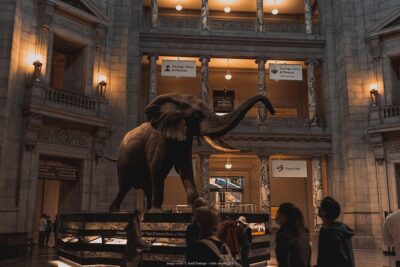
Two Smithsonian Museums Private Tour: American & Natural History
Read our review →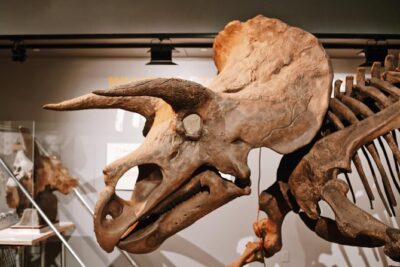
Smithsonian Natural History + Museum of American History 8ppl Max
Read our review →
Smithsonian Museum of Natural History Guided Tour
Read our review →Browse the lists this tour appears in