
Reviewed · WASHINGTON DC
Sushi Masterclass in Washington D.C. (Includes 4-Course Meal)
The best part of this sushi class is that you do not simply watch a chef work. You prepare seasoned rice, practice knife skills, and build several kinds of rolls before sitting down to eat a four-course meal. Chef Made Master leads the class with plenty of energy and a clear focus on skills you can use at home.
I like the small group size, which gives you a better chance to get personal help than you would in a large cooking school. I also like the menu’s range, from tuna sesame salad to caterpillar rolls, spicy double tuna rolls, and hand rolls with eel and crab. The main drawback is location: despite being marketed as a Washington DC experience, the meeting point is in Centreville, Virginia, about 14327 Watery Mountain Ct.
In This Review
- Key points to know before booking
- What three hours of sushi-making really includes
- Starting with tuna sesame salad
- Rolling the spicy tuna and avocado cream cheese maki
- Taking on the special rolls
- Finishing with tuna, eel, and California hand rolls
- Why the small group makes a difference
- The $125 price and what you receive
- The Centreville address needs careful planning
- Dietary needs and accessibility details
- Who will get the most from this class
- Cancellation and booking details worth noting
- Should you book the Centreville sushi masterclass?
- FAQ
- Where does the sushi class meet?
- Is the class actually in Washington DC?
- How long does the experience last?
- How much does the class cost?
- What food is included?
- Which sushi rolls will be prepared?
- Is this a hands-on cooking class?
- How many people can attend?
- Can I bring alcohol?
- Can dietary needs be accommodated?
- Are service animals allowed?
- What is the cancellation policy?
Key points to know before booking
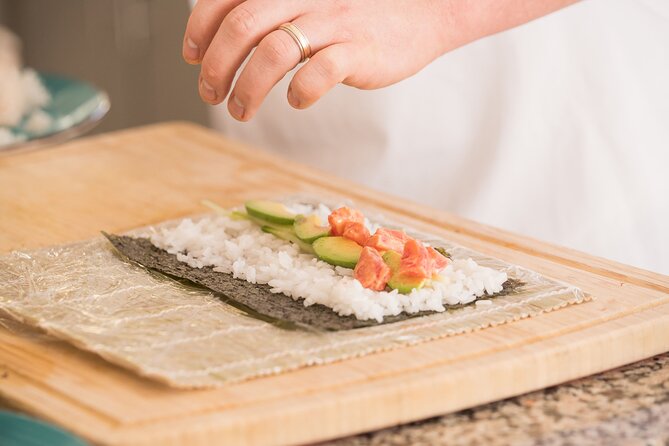
- Chef Made Master teaches practical sushi skills: You prepare rice, use a sushi knife, and shape both maki and hand rolls.
- The meal covers four courses: Tuna salad comes first, followed by assorted maki, special rolls, and hand rolls.
- The group is very small: The experience is limited to six people in the additional tour details, though another description lists a maximum of eight.
- You can bring wine or beer: This is a BYOB class, giving you a relaxed way to pair drinks with the meal.
- The price is $125 per person: That includes instruction, ingredients, and the full four-course menu.
- Check the address carefully: The listed meeting point is in Centreville, Virginia, and the class ends at that same location.
What three hours of sushi-making really includes
This is not a quick demonstration followed by a plate of prepared food. Over roughly three hours, you work through the building blocks of sushi and then eat what you make. That matters because sushi looks simple on the plate, but rice texture, cutting technique, filling balance, and rolling pressure all affect the result.
Chef Made Master covers seasoned sushi rice first. It is the quiet foundation of the class, but it is also one of the most useful skills to take home. If the rice is too wet, too dry, or poorly seasoned, even good fish and fillings will not save the roll.
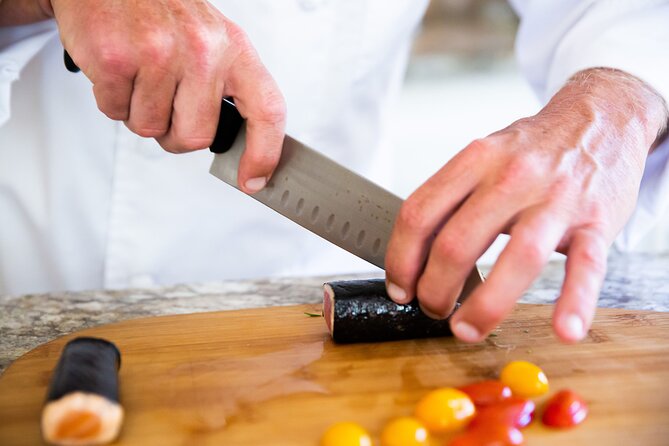
You also practice knife techniques. The supplied details do not specify the exact knives or cuts used, so you should not expect a formal professional knife exam. Still, learning how to handle ingredients with care is a useful part of making sushi safely and neatly.
The class then moves from simpler rolls to more decorative work. That gradual order helps you get comfortable before attempting the caterpillar roll or spicy double tuna roll. You are not just copying a finished example. You are learning how the pieces fit together.
Other Washington DC tours people book alongside this one:
- DC Memorials Night Tour: Glass-Roof Convertible Upgrade Option
★ 4.5 · 6,933 reviews - National Mall Monuments Night Tour with 10+ Stops, Entry Tickets
★ 4.5 · 4,863 reviews - Washington DC Monuments by Moonlight Tour by Trolley
★ 4.5 · 3,956 reviews
Starting with tuna sesame salad
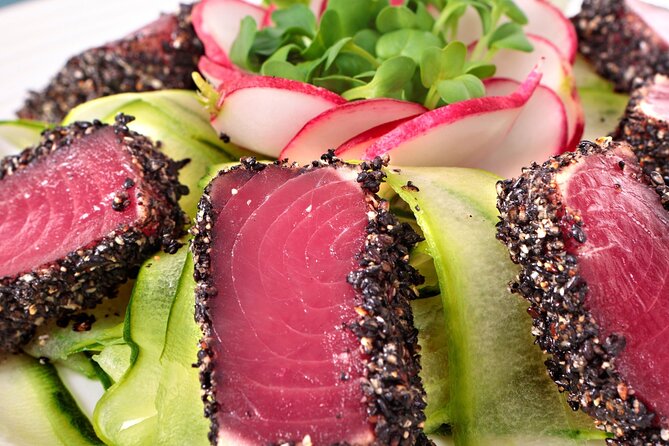
The first course is a tuna sesame salad with fresh tuna, sesame, and a light dressing. This is a sensible opening course because it lets you work with the main ingredient before dealing with rolling mats, cones, and layered toppings.
I like this opening because it gives the meal a fresh start rather than sending you straight into a stack of rice-heavy rolls. The light dressing and sesame also set up the flavors used later in the class.
Do not think of the salad as a throwaway starter. It gives you a chance to notice the tuna’s texture and seasoning without the rice, nori, avocado, cream cheese, or sauces found in the rolls. For anyone trying to understand how sushi ingredients work together, that first taste has a purpose.
The menu does not state the exact dressing or preparation method, so the precise amount of hands-on work in this course may vary. The important point is that the class begins with a fresh tuna preparation before moving into more technical shaping.
Rolling the spicy tuna and avocado cream cheese maki
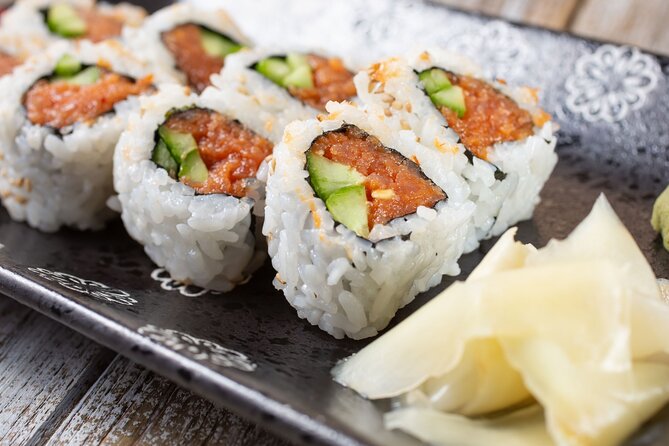
The second course brings out assorted maki rolls, including spicy tuna and avocado cream cheese rolls. This is where the class starts to feel like a proper sushi workshop.
The spicy tuna roll gives you a classic combination with a kick of spicy aioli. You will be working with seasoned rice, nori, tuna, and a filling that needs to stay balanced rather than spilling out when you cut the roll.
The avocado cream cheese roll takes a softer, richer route. Avocado adds a buttery texture, while cream cheese makes the roll especially creamy. It is less traditional than some Japanese sushi styles, but it is a familiar American sushi-bar favorite and a useful lesson in controlling soft fillings.
These two rolls also show why the class has value beyond the meal itself. You learn that sushi making is partly about flavor and partly about structure. A good filling still needs the right amount of rice, a firm roll, and clean cuts.
With a maximum of six people stated in the additional details, you should have a better chance of seeing the chef’s technique up close. Another description gives the maximum as eight, so the exact number may vary. Either way, this is designed as a small class, not a crowded auditorium demonstration.
Taking on the special rolls
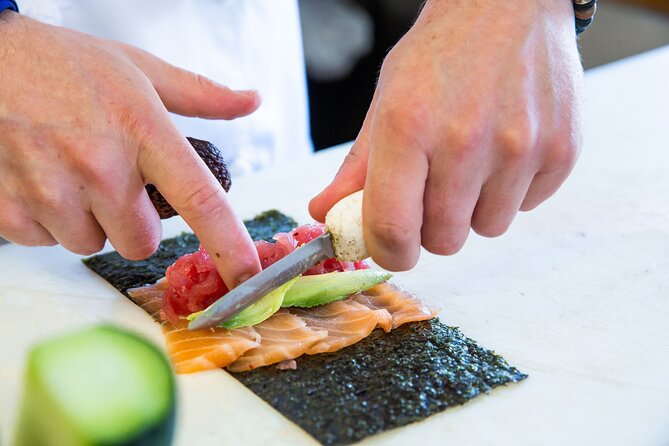
The third course moves into special rolls: the caterpillar roll, spicy double tuna roll, and spicy California roll. This is probably the most visually appealing stage of the class.
The caterpillar roll is layered with avocado slices on top. That topping gives the roll its distinctive look, but it also requires more care than a basic inside-out roll. You have to place the avocado neatly and keep the roll together while slicing and serving it.
The spicy double tuna roll combines fresh and spicy tuna. It is aimed at people who really like tuna, but it also teaches a useful contrast between a clean fish flavor and a seasoned, hotter filling.
The spicy California roll puts a fiery twist on a familiar combination. The menu identifies California hand rolls with avocado and crab later in the meal, while the special roll is listed separately as spicy. The exact fillings and sauce may be explained in class, so you can ask Chef Made Master to clarify the differences as you work.
This section is where the instructor’s teaching style matters most. One particularly useful detail is that Chef Made Master is described as having strong energy and teaching lasting skills. That suggests the class is not limited to assembling attractive pieces for one afternoon. You should expect instruction aimed at helping you repeat the process at home.
Same city, a very different couple of hours:
- Hop-on Hop-off Sightseeing Tour by Open-top Bus with 18 Stops
★ 3.5 · 3,848 reviews - Washington DC in One Day: Guided Sightseeing Tour
★ 4.5 · 3,360 reviews - DC Monuments and Capitol Hill Tour by Electric Cart
★ 5.0 · 2,841 reviews - Washington DC Moonlight Tour by Electric Cart
★ 5.0 · 2,610 reviews
Finishing with tuna, eel, and California hand rolls
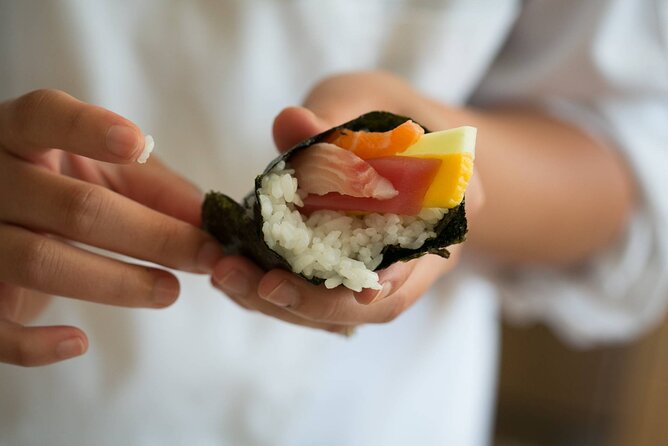
The fourth course features hand rolls, including tuna, eel, and California versions. Hand rolls are shaped into cones rather than cut into neat rounds, so they offer a different challenge from maki.
The tuna hand roll combines fresh tuna and vegetables. Because it is eaten soon after assembly, the texture of the nori can remain part of the experience. This is a good format for learning how much filling to use and how tightly to form the cone.
The eel hand roll brings a savory flavor and tender eel with seasoned rice. Eel can be a useful change of pace after several tuna-based preparations, especially if you want to compare a cooked seafood filling with the fresh tuna used earlier.
The California hand roll is the most familiar option for many diners. It combines avocado and crab with seasoned rice in a cone shape. If you are less comfortable with raw fish, this gives you a more approachable choice within the final course.
A four-course menu with this many preparations is generous. It also means the meal can become filling. You are not just tasting small samples of one or two recipes. You are making salad, maki, special rolls, and hand rolls, so arrive ready to eat and work.
Why the small group makes a difference
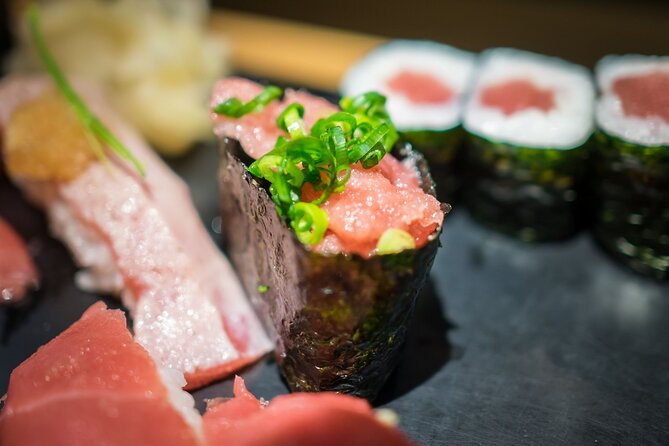
Cooking classes can be frustrating when the chef moves on before you have finished a basic technique. A small group helps reduce that problem. With up to six people listed in the most specific capacity detail, Chef Made Master can offer more direct help with rice, knife work, filling placement, and rolling.
The other published group limit says eight, so I would treat the class as small but confirm the final number if that point matters to you. Either capacity is far more personal than a large public demonstration.
The intimate format also suits couples and small groups of friends. One supplied experience describes a husband and wife leaving with sushi-making skills they were excited to use at home. That is a good clue about the class’s strongest purpose: it works best when you want to learn together, not just eat sushi in a different setting.
The venue is described as cozy, though no detailed facility information is provided. You should expect a hands-on cooking environment rather than a formal restaurant meal. Wear something comfortable for food preparation, but do not assume special equipment or kitchen layout details that have not been provided.
The $125 price and what you receive
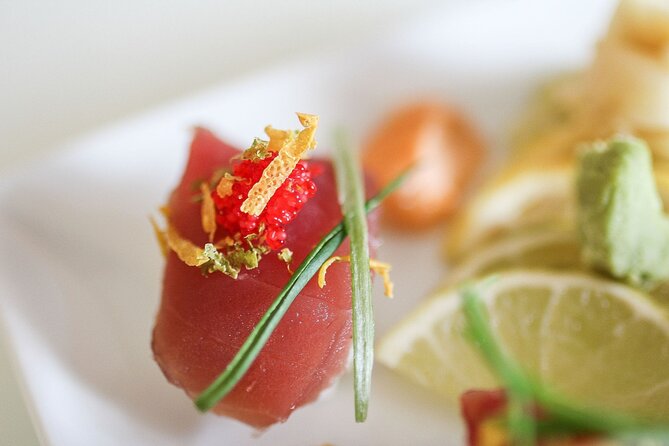
At $125 per person, the price is not a casual lunch. The value comes from combining food with instruction and hands-on practice.
You receive the full four-course menu, including the tuna salad, several maki rolls, special rolls, and three styles of hand roll. You also receive the chef’s guidance on rice, knife skills, and shaping. If you have priced sushi-making ingredients before, you know that fresh tuna, eel, crab, avocado, cream cheese, nori, sesame, and other ingredients can add up quickly.
The class is a better deal for someone who wants a skill to take home. If your only goal is to eat a large sushi meal, a restaurant may be simpler and possibly less expensive. If you enjoy cooking, want a date activity, or have been curious about making sushi but never knew where to start, the instruction gives the price more weight.
BYOB also helps keep the meal relaxed without adding a drink package to the cost. Wine and beer are welcome, but they are not included. Bring only what you want to drink, and remember that careful knife work and alcohol do not mix well. Save most of your drink for the meal if you plan to take the techniques seriously.
The Centreville address needs careful planning
The biggest practical issue is the meeting point. The experience is presented as a Washington DC sushi class, but the stated start and end address is 14327 Watery Mountain Ct, Centreville, VA 20120.
That is not central Washington DC. If you are staying downtown and do not have a car, you should check the route and travel time before paying. The activity ends back at the same meeting point, so you will need to arrange your own transportation there and back.
This location may work well for you if you are already in Northern Virginia or planning a suburban day. It is less convenient if you are building a DC sightseeing schedule around museums, monuments, and downtown restaurants.
The mobile ticket is useful for showing your booking details, and confirmation is provided at the time of booking. Those are simple conveniences, but the address is the detail that deserves your attention first.
Dietary needs and accessibility details
The class is designed to accommodate a range of dietary needs when you give advance notice. That is helpful, but the wording does not promise that every restriction can be handled, so contact the provider before booking and explain your needs clearly.
The menu includes tuna, eel, crab, sesame, avocado, cream cheese, and spicy ingredients. If you avoid raw fish, seafood, dairy, sesame, or heat, ask what substitutions are possible before the class begins. Do not wait until you arrive and expect the full menu to change on the spot.
Service animals are allowed. No other accessibility details are provided, so you should ask about the physical setup if you need information about seating, kitchen access, or mobility.
Who will get the most from this class
I would recommend this experience to people who enjoy practical food activities and want to leave with a repeatable skill. It is especially well suited to couples, small groups of friends, and sushi fans who want to understand what goes into the rolls they order.
It also suits a special occasion that calls for more than a standard meal. The BYOB format lets you bring wine or beer, while the small group keeps the setting more personal.
You may want to skip it if you want a central DC activity, dislike hands-on cooking, or prefer a quiet meal with no instruction. The Centreville location alone could make it a poor fit for a downtown-based itinerary.
If you have serious dietary restrictions, contact the provider first. The class aims to handle different needs, but the menu is seafood-centered and includes several ingredients that may not suit everyone.
Cancellation and booking details worth noting
You can cancel for a full refund up to 24 hours before the start time. Cancellations or changes made inside that 24-hour window are not accepted for a refund, and the cut-off follows local time.
The class needs a minimum number of participants. If that minimum is not reached and the activity is canceled, you can choose another date or experience, or receive a full refund.
I would book once your schedule and transportation are firm. The class is often reserved well ahead of time, with an average booking lead of about 39 days, so waiting until the last minute may reduce your choice of dates.
Should you book the Centreville sushi masterclass?
Book it if you want a small, social cooking lesson with a generous menu and useful skills. Chef Made Master’s energetic teaching style, the limited group size, and the progression from seasoned rice to maki, special rolls, and hand rolls make this more than a meal with a token demonstration.
Think twice if you expect the activity to take place in Washington DC proper. The Centreville meeting point is the key issue, and it can change the whole day’s logistics.
For the right person, $125 is fair because it covers a substantial four-course meal plus instruction you can use again. Confirm the address, group size, and dietary arrangements before booking, then bring an appetite and, if you like, a bottle of wine or beer.
FAQ
Where does the sushi class meet?
The class starts at 14327 Watery Mountain Ct, Centreville, VA 20120, USA. It ends back at the same meeting point.
Is the class actually in Washington DC?
The experience is marketed as a Washington DC activity, but the stated meeting point is in Centreville, Virginia. Check the route carefully before booking.
How long does the experience last?
The sushi class lasts approximately three hours.
How much does the class cost?
The listed price is $125 per person.
What food is included?
The included meal has four courses: tuna sesame salad, assorted maki rolls, special rolls, and hand rolls.
Which sushi rolls will be prepared?
The menu includes spicy tuna, avocado cream cheese, spicy California, spicy double tuna, and caterpillar rolls. Hand rolls include tuna, eel, and California versions.
Is this a hands-on cooking class?
Yes. You learn to prepare seasoned sushi rice, practice knife techniques, and make maki and hand rolls with instruction from the local sushi chef.
How many people can attend?
The activity details state a maximum of six travelers, while another description lists a maximum of eight guests. Confirm the final group size if this is important to you.
Can I bring alcohol?
Yes. The class is BYOB, and you may bring wine or beer. Alcohol is not included in the price.
Can dietary needs be accommodated?
The class is designed to accommodate a variety of dietary needs if you provide advance notice. Contact the provider before the class to discuss your restrictions.
Are service animals allowed?
Yes. Service animals are allowed.
What is the cancellation policy?
You can cancel at least 24 hours before the start time for a full refund. Cancellations or changes made less than 24 hours before the start time are not accepted for a refund.
Recently added around Washington DC
- Small Group Washington DC Night Tour★ 4.5 · 3 reviews
- Washington DC Neighborhoods Personalized Self-Guided App Tour★ 3.5 · 3 reviews
- America’s Main Street and White House Private Full-Day Tour★ 5.0 · 3 reviews
- Beyond the Closet Walking Tour★ 5.0 · 3 reviews
- Pirate Ship Treasure Hunt Cruise with Face Painting★ 4.5 · 3 reviews
- Private Washington DC Grand Tour with Changing of the Guard.★ 5.0 · 3 reviews
- 250th: National Archives & American History Museum Guided Tour★ 5.0 · 3 reviews
- Private Tour In different languages★ 5.0 · 3 reviews