
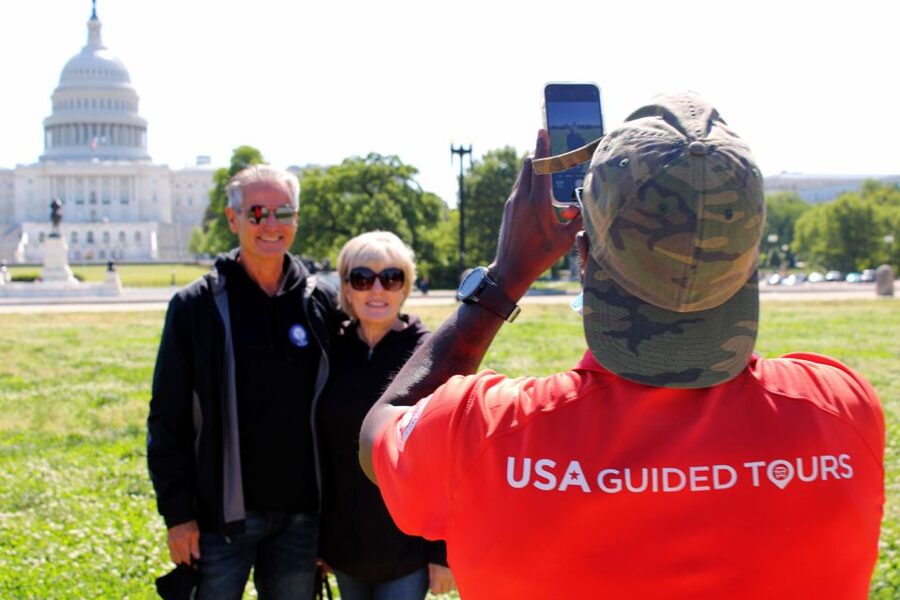
Reviewed · AFRICAN AMERICAN HISTORY
Washington, DC: African American History Tour & Museum Entry
Washington, DC’s Black history is written into its grand monuments, quiet residential streets, theaters, churches, and university gates. This tour connects those places in one sweeping morning, from the Emancipation Statue and Frederick Douglass’s home to the spot where Martin Luther King Jr. gave his I Have a Dream speech.
I like the strong link between the city tour and museum visit, and I like the chance to see less obvious places such as Le Droit Park, Shaw, and historic U Street. The air-conditioned bus also saves your feet and keeps the day workable in hot or cold weather.
The main caution is time. You cover a lot in 210 minutes to four hours, and the museum portion is self-guided. Bring food or plan ahead, since the schedule may not leave much room for a proper meal before entering the museum.
In This Review
- Key points to know before booking
- Why this tour gives Washington a fuller story
- From the U.S. Navy Memorial to the White House
- The Lincoln Memorial and the 1963 speech
- Frederick Douglass, Lincoln Park, and Mary McLeod Bethune
- Howard University and the making of Black leadership
- U Street, Shaw, and Black Broadway
- The African American Civil War Memorial
- Freedom Plaza, Pennsylvania Avenue, and Logan Circle
- Entering the Smithsonian museum on your own
- Is $89 a fair price?
- Who will get the most from this experience?
- Should you book the DC African American History Tour?
- FAQ
- How long does the tour last?
- What language is the tour conducted in?
- Is entry to the Smithsonian National Museum of African American History and Culture included?
- Is the museum portion guided?
- Is this an official Smithsonian tour?
- Where does the tour start?
- Where does the tour finish?
- Are food and drinks included?
- Is hotel pickup available?
Key points to know before booking
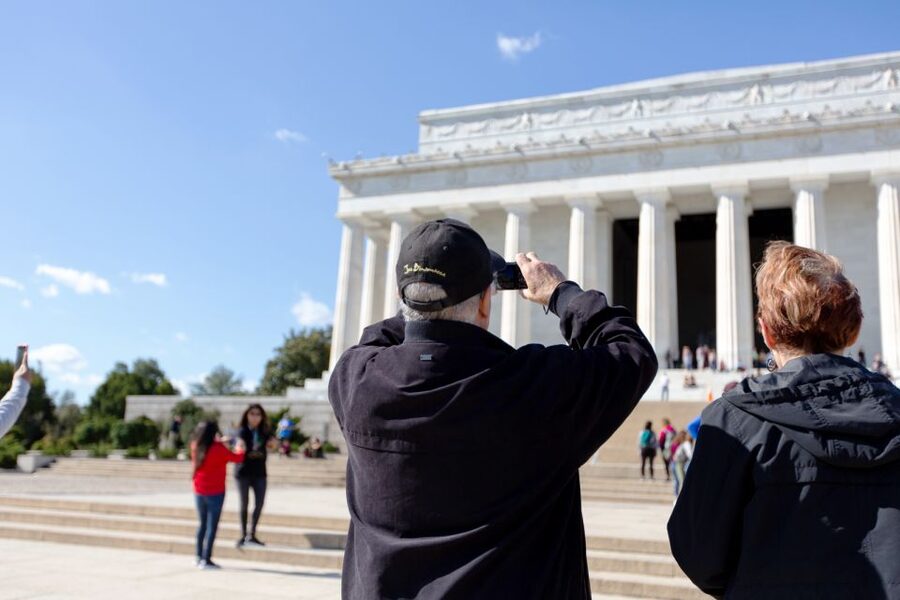
- The tour begins with Washington’s monuments and moves into neighborhood history, giving you both the national story and the local one.
- Guides such as Dre and Elvis Pate are central to the experience, with a lively teaching style and a strong command of civil rights history.
- Howard University, U Street, Shaw, and Le Droit Park add depth beyond the usual National Mall route.
- The Smithsonian National Museum of African American History and Culture comes last, with reserved timed entry included.
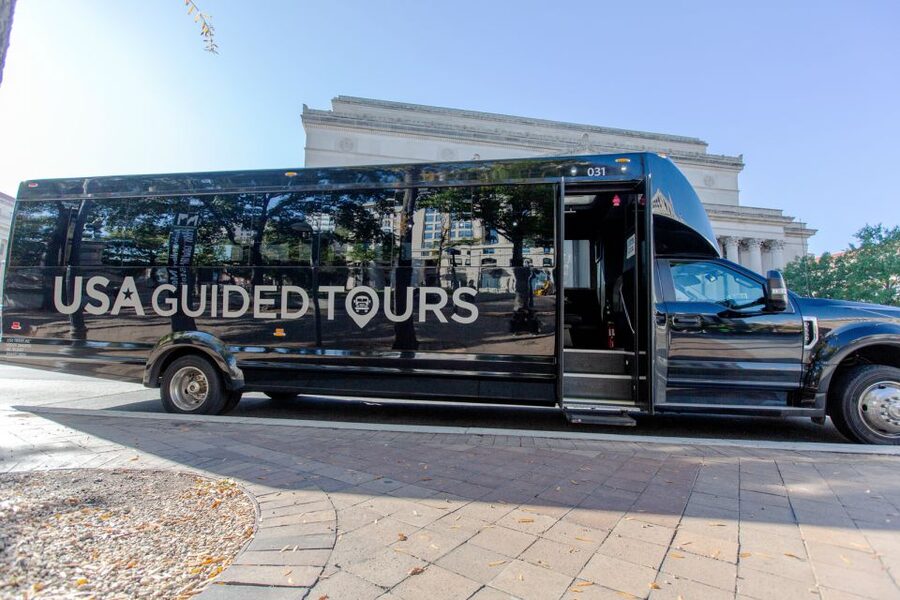
- Transportation is by climate-controlled bus or van, a practical choice for covering widely scattered sites.
- The $89 price is strongest for first-time visitors who want transportation, live interpretation, and museum entry in one booking.
Why this tour gives Washington a fuller story
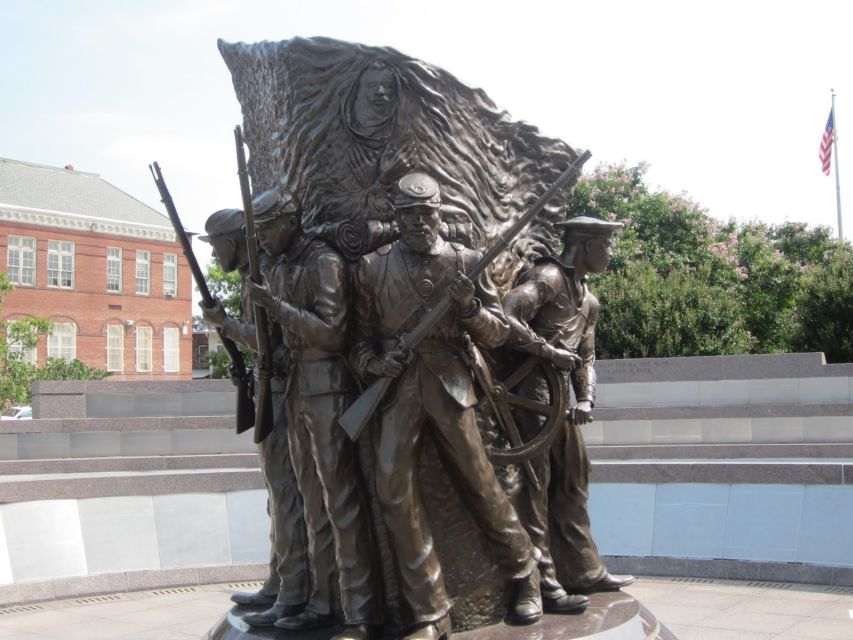
Many first visits to Washington focus on presidents, wars, and marble memorials. Those sites matter, but they can feel incomplete without the Black voices and struggles that shaped the country around them.
This experience fixes that gap. The guide uses familiar places as entry points into subjects such as emancipation, military service, education, segregation, civil rights, political organizing, and Black cultural life. You are not simply driven past a statue, then handed its date. You get the people and events connected to it.
The strongest part of the format is the mix of famous landmarks and ordinary city blocks. The Lincoln Memorial gives you the national stage. U Street shows where Black Washington built its own center of business, music, and social life. Howard University adds the story of education and leadership. Together, these stops make the city feel less like a collection of monuments and more like a place shaped by communities.
The tour is in English, and private groups are available. Shared departures may use a Sprinter-style van or a larger bus, so the amount of personal space can vary. One useful practical point: a few people found a smaller van less spacious, while the climate control was still a welcome feature.
More African American history tours in Washington DC:
- Guided African American History Tour with Reserved Museum Entry
★ 4.5 · 1,180 reviews - African American History Tour with Museum of African American History Ticket
★ 4.5 · 390 reviews - Washington DC: Walking Tour and African American Museum
★ 4.6 · 157 reviews
From the U.S. Navy Memorial to the White House
Meeting points can include the U.S. Navy Memorial or nearby addresses on Pennsylvania Avenue. Check your booking carefully, since the exact starting point depends on the option selected.
The first stretch places you in central Washington, with a photo stop near the White House. This is not a long visit inside the grounds, of course. Think of it as a quick orientation stop, with the guide explaining how national power, protest, and Black political life meet in the capital.
A bus is useful here because Washington’s historic locations are spread across a broad area. Instead of spending the first part of the day figuring out Metro connections or walking long distances between sites, you can listen while the driver handles the city streets.
The quality of the guide matters a great deal. Dre is often praised for clear explanations, dry humor, and an ability to connect a monument with a less familiar person or event. Elvis Pate is another named guide who has received strong praise for making the subject approachable and personal. Other guides and drivers may operate your departure, but the experience depends heavily on who leads your group.
The Lincoln Memorial and the 1963 speech
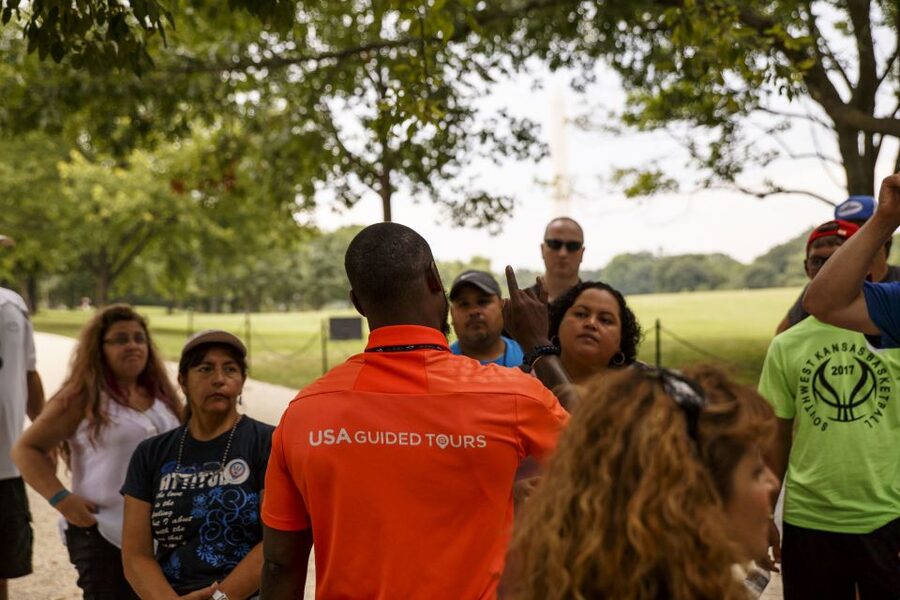
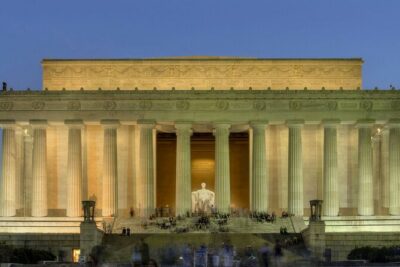
At the Lincoln Memorial, you stand near the place where Martin Luther King Jr. delivered his famous 1963 speech. The view across the reflecting pool is one of Washington’s most recognizable, but the guide helps you see it as a site of public action rather than only a grand photo backdrop.
This is one of the tour’s most effective stops because the setting carries several layers. Lincoln’s memorial is tied to emancipation and the Civil War, while King’s speech brought the unfinished work of freedom into the twentieth century. Your guide can place those events in the same physical setting and explain how the meaning of the memorial changed over time.
Expect a photo stop, not an extended lecture inside the memorial. If you want time to read every inscription or sit quietly on the steps, you may need to return on another visit. The bus tour gives you the setting and interpretation, then moves on.
The nearby Martin Luther King Jr. Memorial provides another important pause. Its design and position along the Tidal Basin offer a different way to think about King’s legacy. Again, the value lies in hearing the connections, since a quick stop alone cannot tell the whole story.
Frederick Douglass, Lincoln Park, and Mary McLeod Bethune
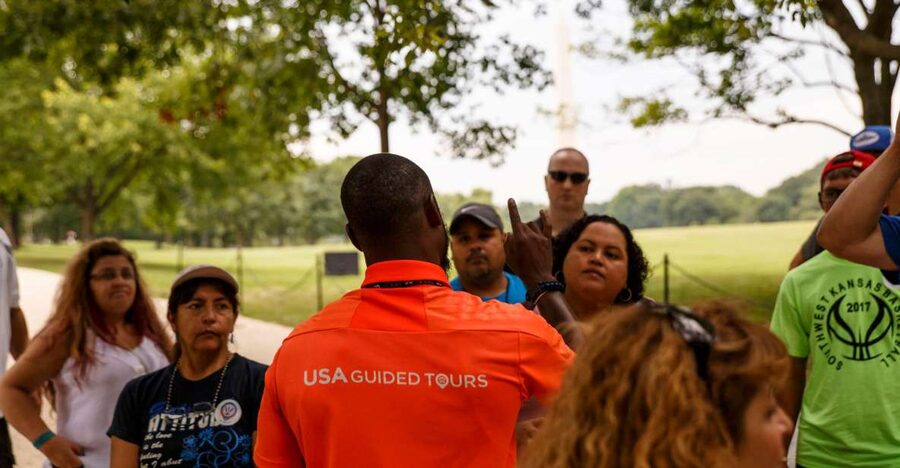
The tour also stops outside the home of Frederick Douglass, the abolitionist and public figure who lived in Washington. Seeing the house from the outside adds a personal address to a story often told through speeches and books.
The stop is brief, so do not expect a full house visit as part of this package. Its value is in placing Douglass within Washington itself and showing that Black history here was lived in homes, churches, schools, and neighborhoods, not just commemorated on the Mall.
Lincoln Park shifts the focus to public memory. Here you see the statue of Mary McLeod Bethune, an educator, activist, and founder of the National Council of Negro Women. Her presence in a major city park gives the tour a chance to discuss Black women’s leadership, education, and civic organizing.
I especially like this stop for families and students because it broadens the story beyond the best-known male figures. The guide can use the statue to show how public memorials decide who deserves space and how those choices have changed.
More American History Museum tours:
- Smithsonian Museum of American History Exclusive Guided Tour
★ 5.0 · 245 reviews - Smithsonian Museum of American History Semi-Private 8ppl Max
★ 5.0 · 135 reviews - DC Monuments Day or Night American History Electric Cart Tour
★ 5.0 · 91 reviews - National Archives + American History Museum Tour 8ppl Max
★ 5.0 · 80 reviews
Howard University and the making of Black leadership
Howard University is one of the oldest historically Black universities in the United States. The tour includes time to walk around part of the well-kept campus while learning about its place in civil rights history.
This stop changes the pace. After several monument photo stops, you get a closer look at an active educational institution and the role of higher education in producing lawyers, teachers, doctors, writers, organizers, and public leaders.
Do not expect a full campus tour or access to every building. The stop is a guided introduction, not an admissions visit. Still, it is one of the most useful parts of the day because it shows how the fight for civil rights depended on institutions that trained and supported generations of Black Americans.
The guide’s teaching style makes a difference here. Strong leaders such as Dre are able to answer questions and add connections beyond the basic route. Several people have described the tour as both serious and funny, which helps during a morning packed with difficult subjects.
U Street, Shaw, and Black Broadway

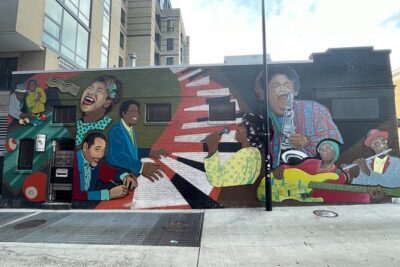
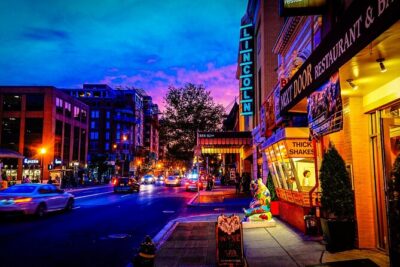
The drive through Le Droit Park, Shaw, and historic U Street gives you a view of Washington that many standard sightseeing tours skip. In the early twentieth century, U Street was home to one of the largest urban African American communities in the United States.
The guide introduces the area’s music venues, businesses, churches, and community life. You also hear about its reputation as Black Broadway, linked to entertainment figures from the past and present.
This portion is mainly viewed from the bus, with limited time outside. That is both its strength and its limit. You can cover more ground and hear how the neighborhoods fit together, but you will not have much time to browse shops, eat, or explore side streets.
Food is worth planning in advance. One stop on U Street could be a natural point for street food, but food is not included and the schedule may not allow a proper break. The museum has food options, though queues can be long and the food may not be the highlight of the day. A small snack in your bag is sensible if permitted by the operator’s rules.
The African American Civil War Memorial
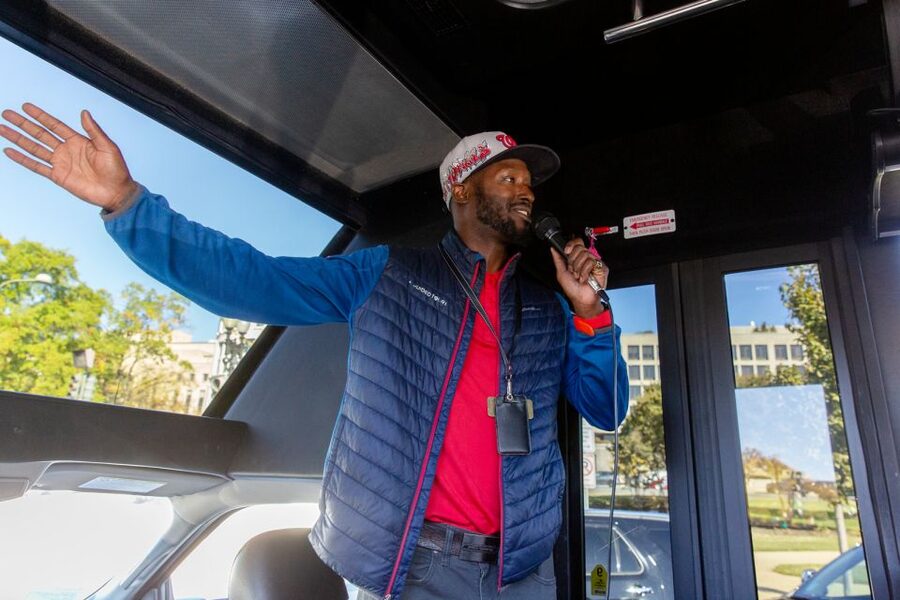
Outside the African American Civil War Memorial and Museum, the tour turns to the military role of Black Americans during the Civil War. This is a compact but meaningful stop, particularly for anyone who wants to understand emancipation as a process shaped by military service as well as presidential action.
The memorial honors the African American soldiers who served and died. The guide explains how their participation affected the course of the war and the larger struggle over freedom.
The included experience here is a photo and explanation stop outside, not a separate extended museum visit. If genealogy interests you, pay close attention to the memorial wall and ask the guide for help. One person was able to find an ancestor’s name with assistance from the guide, a reminder that this site can be deeply personal as well as historical.
Freedom Plaza, Pennsylvania Avenue, and Logan Circle

The route returns to downtown Washington, passing Freedom Plaza and Pennsylvania Avenue. You may also see the White House again, the Martin Luther King Jr. Memorial, and the National Council of Negro Women.
In Logan Circle, the tour points out Metropolitan AME Church and the Mary McLeod Bethune Council House. These sites help explain the importance of Black churches and civic organizations as places for worship, education, political discussion, mutual aid, and protest.
The strength of this section is breadth. You begin to see that civil rights history was not confined to one march or one famous speech. It developed through institutions and relationships spread across the city.
The tradeoff is that the route can feel full. You will hear many names, dates, and connections in a short period. I recommend keeping notes on your phone, or asking the guide which two or three places deserve a return visit. Some people have wished for an audio recording because there is simply too much to absorb at once.
Entering the Smithsonian museum on your own
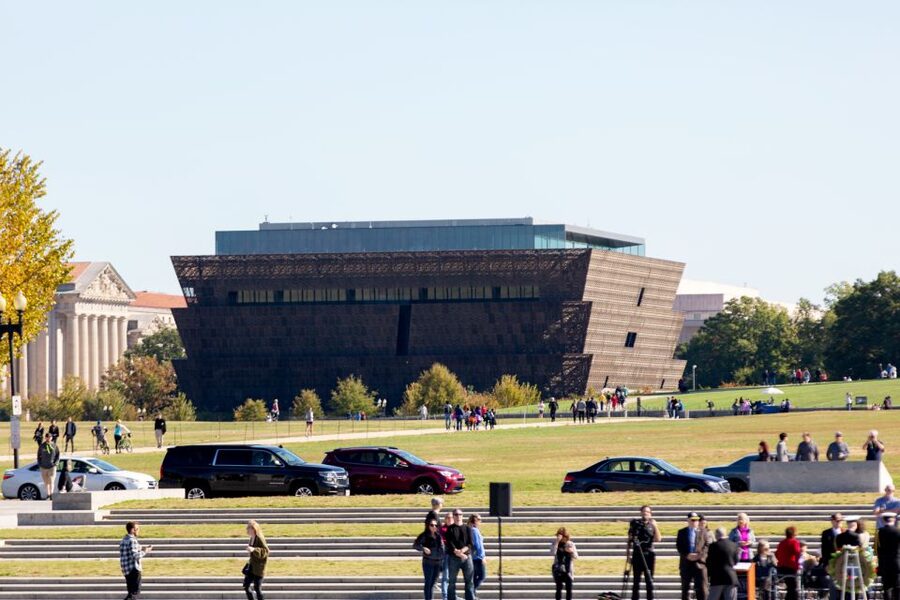
The tour finishes at the Smithsonian National Museum of African American History and Culture. Reserved timed entry is included, which is a valuable part of the package, particularly when museum access is limited.
This is not an official Smithsonian tour. The live guide provides an independent perspective during the bus portion, then you explore the museum on your own. That division works well: the morning gives you context and a citywide framework, while the museum lets you choose the exhibits and subjects that hold your attention.
The museum is large, and the included tour time is not enough to absorb everything. One person who visited with a four-hour schedule felt that several days would be needed to take in the full collection. That is not a flaw in the museum, but it is important to set expectations. You will need to make choices.
If you want the museum to be the main event, consider treating the bus tour as preparation rather than the complete visit. Listen for names, movements, and themes during the morning, then follow those threads once inside. The city tour can make the museum displays easier to place in context, especially if you are unfamiliar with Washington’s Black communities.
The museum is the final drop-off point for some departures. Other drop-off options may include the U.S. Navy Memorial, so confirm the end point before booking if you have a timed plan afterward.
Is $89 a fair price?
At $89 per person, this is not the cheapest way to see Washington. You could walk around the National Mall for free and visit the Smithsonian museum without paying for a guided bus route, subject to available timed entry.
The price makes more sense when you count the services together:
- A live English-speaking guide
- Climate-controlled transportation
- Stops spread across central and east Washington
- Interpretation at monuments and neighborhoods
- Reserved museum entry
For a first visit, the combination is useful. You avoid piecing together a route between the Lincoln Memorial, Howard University, U Street, Lincoln Park, and the museum. You also gain a narrator who can explain why each place matters.
The value is lower if you already know Washington well, prefer long independent visits, or want to spend most of the day inside the museum. It is also not ideal if you dislike a brisk schedule or need a great deal of personal space in a smaller vehicle.
Free cancellation up to 24 hours before departure and reserve-now, pay-later terms add flexibility. Food, drinks, and hotel pickup are not included unless you select a private option.
Who will get the most from this experience?
I would choose this for a first-time Washington visitor who wants a focused introduction to African American history without spending hours planning transport. It also suits families, school-age children, and adults who prefer learning from a live guide rather than reading plaques alone.
The tour has worked well for mixed-age groups because the guides use stories, humor, and questions instead of treating the subject as a dry list of dates. It can also suit international visitors who want help understanding the civil rights movement within the wider story of the United States.
History teachers and lifelong learners may appreciate the range of stops, though they should expect a survey rather than a specialist seminar. Repeat visitors can also find new material, especially in U Street, Logan Circle, and the less familiar memorials.
I would hesitate if you want a quiet, slow museum day, a full walking tour, or guaranteed roomy seating. The tour covers a lot, and the guide’s microphone may occasionally sound muffled. Tell the operator if clear audio is especially important to you.
Should you book the DC African American History Tour?
Book it if you want the city and museum to work together. The bus route supplies the setting, the guide supplies the connections, and the Smithsonian museum gives you time to pursue the subject at your own pace.
The best reason to go is not simply the number of stops. It is the chance to see Washington through Black institutions, neighborhoods, soldiers, educators, artists, organizers, and speakers, rather than through monuments alone.
Skip it if you already have museum entry and a carefully planned list of sites, or if you would rather spend four hours in one place. For most first-time visitors, though, the $89 fee is a reasonable trade for transportation, interpretation, and a useful introduction to one of Washington’s essential stories.
FAQ
How long does the tour last?
The stated duration is 210 minutes to four hours, depending on the departure and option booked.
What language is the tour conducted in?
The live tour guide speaks English.
Is entry to the Smithsonian National Museum of African American History and Culture included?
Yes. The booking includes a reserved timed-entry ticket to the museum.
Is the museum portion guided?
No. The bus tour is guided, but you explore the Smithsonian museum independently after the tour ends.
Is this an official Smithsonian tour?
No. The activity is operated independently and is not an official Smithsonian tour.
Where does the tour start?
Meeting points may vary by booking option. Listed locations include the U.S. Navy Memorial Plaza and nearby addresses on Pennsylvania Avenue.
Where does the tour finish?
Possible drop-off points include the National Museum of African American History and Culture and the U.S. Navy Memorial. Check the option you select.
Are food and drinks included?
No. Food and drinks are not included.
Is hotel pickup available?
Hotel pickup and drop-off are not included unless you select a private option.
More history tours in Washington DC
- DC Monuments & History Guided E-Cart Tour-Blankets
★ 4.5 · 450 reviews - Historic Georgetown: History, Gossip, & Architecture Walking Tour
★ 5.0 · 321 reviews - DC’s Original Food and History Walking Tour
★ 5.0 · 255 reviews - Tastes of Georgetown Food & History Small Group Walking Tour
★ 4.5 · 203 reviews
More museums in Washington DC
- Smithsonian Museum of Natural History – Exclusive Guided Tour
★ 5.0 · 446 reviews - National Mall Tour with 10 Stops & U.S. Capitol or Museum Entry
★ 4.5 · 331 reviews - Smithsonian Museums Walking Tour with Reserved Air & Space Entry
★ 5.0 · 297 reviews - Capitol Combo: U.S. Capitol + Library Congress or Capitol Museum
★ 4.5 · 294 reviews
Recently added around Washington DC
- Small Group Washington DC Night Tour★ 4.5 · 3 reviews
- Washington DC Neighborhoods Personalized Self-Guided App Tour★ 3.5 · 3 reviews
- America’s Main Street and White House Private Full-Day Tour★ 5.0 · 3 reviews
- Beyond the Closet Walking Tour★ 5.0 · 3 reviews
- Sushi Masterclass in Washington D.C. (Includes 4-Course Meal)★ 5.0 · 3 reviews
- Pirate Ship Treasure Hunt Cruise with Face Painting★ 4.5 · 3 reviews
- Private Washington DC Grand Tour with Changing of the Guard.★ 5.0 · 3 reviews
- 250th: National Archives & American History Museum Guided Tour★ 5.0 · 3 reviews
African American History, compared.
Guided African American History Tour with Reserved Museum Entry
Read our review →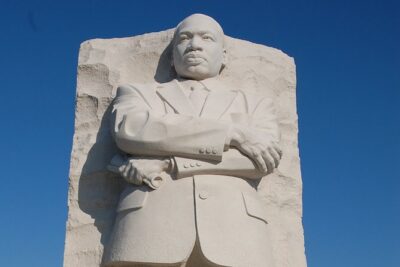
African American History Tour with Museum of African American History Ticket
Read our review →
DC Landmarks Walking Tour + African American Museum Admission
Read our review →
African-American Heritage Walking Tour of U Street in DC
Read our review →
Browse the lists this tour appears in