
Reviewed · NATURAL HISTORY MUSEUM
Washington DC: National Museum of Natural History Tour
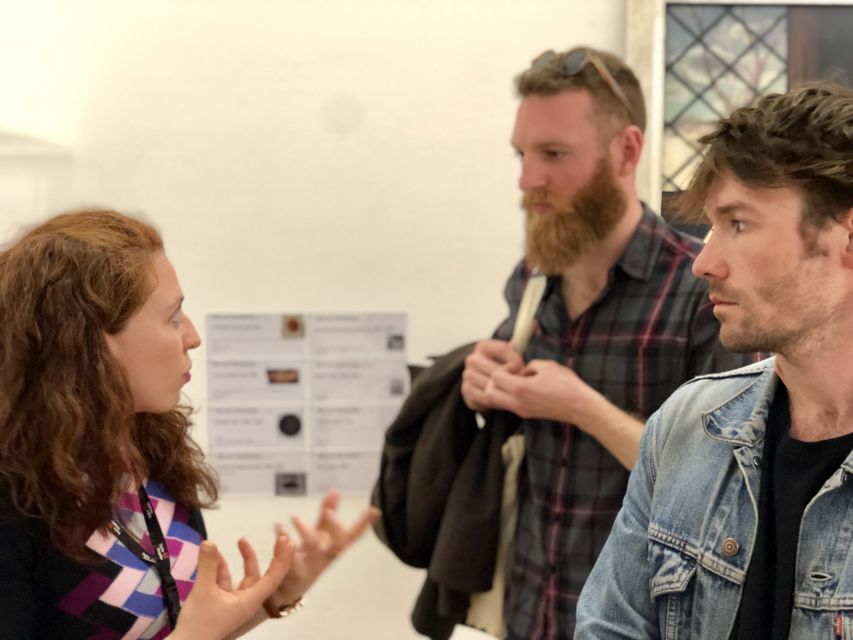
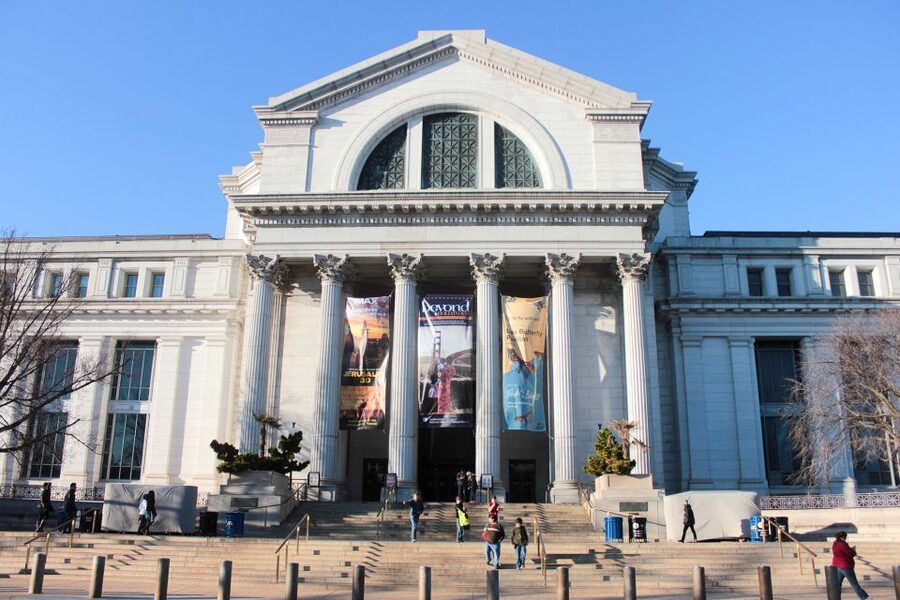
The National Museum of Natural History is so large it covers the area of 18 football fields, yet this tour gets you quickly to the creatures, fossils, and famous stones that make the building memorable. I like the small group limit of eight, and I like that guides such as Brenda, Tony, Leigh, and Tim adjust the visit to your interests instead of delivering the same speech to every group.
The tour also skips the ticket line and brings a personal layer to exhibits you could otherwise rush past. The main drawback is its fixed 2.5-hour pace: you’ll see the major highlights, but not every room in a museum holding more than 126 million objects. Large bags are not allowed, and wheelchair access must be arranged in advance, with the activity listed as unsuitable for wheelchair users.
In This Review
- Key points at a glance
- Why a guided visit helps in an 18-football-field museum
- The Hope Diamond and the museum’s famous minerals
- Mummies and the human side of natural history
- Ocean Hall, coral, and Phoenix the whale
- The Fossil Lab and the Arctic Narwhal
- Giraffes, elephants, polar bears, and other giants
- What the guides add to the experience
- Is $86 a fair price?
- Timing, bags, ID, and entry rules
- Who should book this museum tour?
- Should you book the National Museum of Natural History tour?
- FAQ
- How long does the National Museum of Natural History tour last?
- Is the tour private or shared?
- What language is the tour offered in?
- Which exhibits are included?
- Are temporary exhibits included?
- What should I bring?
- Is the tour accessible to wheelchair users?
Key points at a glance
- See the 46-karat Hope Diamond: One of the museum’s best-known displays, with a guide to explain its story and setting.
- Meet Phoenix the 45-ton whale: Learn how the museum has followed this enormous animal in the wild.
- Move from mummies to modern science: The route links ancient remains, fossil work, living oceans, and current research.
- Choose your group style: Book a private visit or a small group capped at eight people.
- Make the tour work for your family: Guides can respond to questions and spend more time in areas that catch your attention.
- Plan around museum rules: Bring photo ID, leave luggage behind, and expect quiet or restricted-speaking areas.
Why a guided visit helps in an 18-football-field museum
The National Museum of Natural History can be a splendid place to wander, but its size creates a problem: you can spend a lot of time finding exhibits and still miss the pieces you came to see. A guide gives your visit shape, helping you move between the major halls without treating the museum like a checklist.
That matters most if you have only one morning or afternoon in Washington DC. In 2.5 hours, you can see famous minerals, ancient bodies, marine life, fossil research, and large land animals. You will not cover the entire collection, but you should leave with a clear sense of the museum’s range.
I also like the human scale of the group. A maximum of eight people is small enough for questions, and a private booking gives you more control over the pace and subjects. On a semi-private tour, at least two people are required. If that minimum is not met, the operator offers a refund or another date.
The English-speaking guide is not just there to point toward display cases. Guides explain scientific information, museum history, background stories, and surprising details. Tim, for example, is described as a conversational guide who asked about his group’s interests and adjusted the route accordingly. That is useful if you would rather spend more time on new discoveries and scientific ideas than on a display that does not hold your attention.
More Natural History Museum tours:
- Smithsonian Museum of Natural History – Exclusive Guided Tour
★ 5.0 · 446 reviews - Smithsonian Museum of Natural History Small Group Tour: 8ppl Max
★ 5.0 · 177 reviews - Smithsonian National Museum of Natural History Guided Tour
★ 4.1 · 159 reviews
The Hope Diamond and the museum’s famous minerals
The 46-karat Hope Diamond is the obvious opening act for many visitors. It is famous far beyond Washington, and seeing it in person gives the tour an early focal point. Your guide can provide the story behind the stone, helping you look past its fame and pay attention to its size, color, and place in the museum’s mineral collection.
The Dom Pedro Aquamarine offers a different kind of spectacle. It is the largest aquamarine of its type, and its tall, glowing blue form is difficult to miss. The Star of Asia Sapphire adds another major piece to the mineral displays.
These exhibits are especially effective for mixed groups. Children can enjoy the scale and color, while adults may appreciate the geology, cutting, and history behind each piece. A guide can also answer questions on the spot instead of leaving you to read every panel.
There is a practical limit here. The mineral rooms can become a short stop if your group is eager to reach the animals or fossils. Tell your guide what interests you at the beginning. The tour is designed to respond to your priorities, and that simple conversation can keep the route from feeling too rigid.
Mummies and the human side of natural history
The museum’s real mummies bring a very different mood. These are not movie props or replicas. They connect the collection to past people and cultures, while also giving your guide a chance to explain preservation and the scientific questions that researchers can ask from human remains.
This section may be a strong choice for older children and adults who want more than giant animals. It can also be more serious than the mineral displays, so families should decide how much time feels right. Your guide can give background before you enter rooms where speaking may be limited.
Some museum rooms require quiet or restrict conversation inside. In those cases, the guide provides information before you enter rather than talking throughout the room. That rule can feel slightly less convenient, but it protects the atmosphere of sensitive exhibits and keeps the visit respectful.
Ocean Hall, coral, and Phoenix the whale
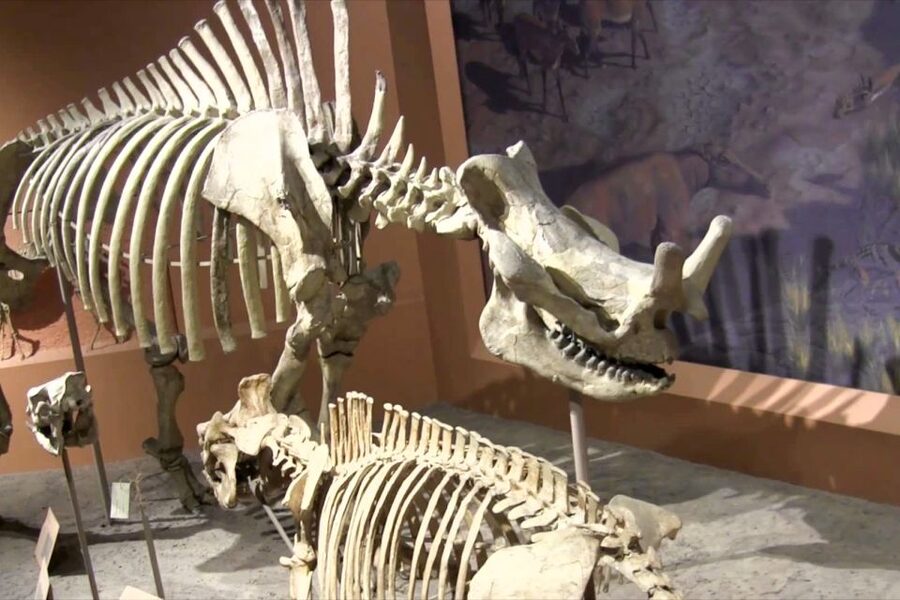
The Ocean Hall brings the sea indoors with a real-life coral reef exhibit. It gives the tour a change of scale, moving from individual stones and preserved bodies to a whole marine environment. You might find this section especially useful if you want to understand living systems rather than only look at objects in cases.
The star here is Phoenix, a replica of a 45-ton whale. The museum has followed Phoenix in the wild, so the exhibit connects a huge physical model with ongoing scientific work. Your guide can turn the whale from a large object into a story about field research, animal behavior, and the effort required to study creatures in the open ocean.
This is one of the tour’s most memorable pairings: a coral reef that suggests a living underwater community, followed by a whale that makes the sheer size of the ocean’s animals clear. The route does not treat natural history as a collection of dead specimens only. It shows the link between museum displays and work happening outside the building.
More museums in Washington DC:
- Guided African American History Tour with Reserved Museum Entry
★ 4.5 · 1,180 reviews - African American History Tour with Museum of African American History Ticket
★ 4.5 · 390 reviews - National Mall Tour with 10 Stops & U.S. Capitol or Museum Entry
★ 4.5 · 331 reviews - Washington, DC: African American History Tour & Museum Entry
★ 4.9 · 312 reviews
The Fossil Lab and the Arctic Narwhal
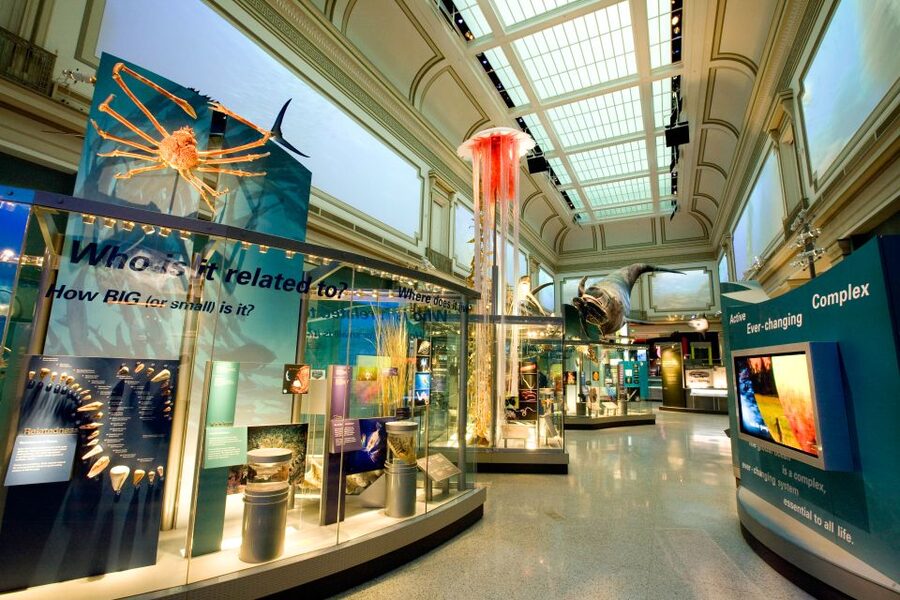
The Fossil Lab adds a behind-the-scenes feel to the visit. Instead of seeing only finished fossils, you get a look at the work of preparing and studying them. Your guide can explain why the lab matters and how scientific information comes from careful examination, not just from placing an impressive skeleton in a hall.
The Arctic Narwhal is another unusual stop. Its tusk makes it instantly recognizable, but the exhibit also gives you a chance to think about animals adapted to difficult environments. The narwhal helps balance the tour’s giant land animals and ocean displays with something more specialized.
Because the museum has such a broad collection, these stops are useful reminders that the tour is not limited to the most famous displays. If fossils or Arctic animals are high on your list, say so early. A private or small group format gives the guide a better chance to shape the visit around those interests.
Giraffes, elephants, polar bears, and other giants
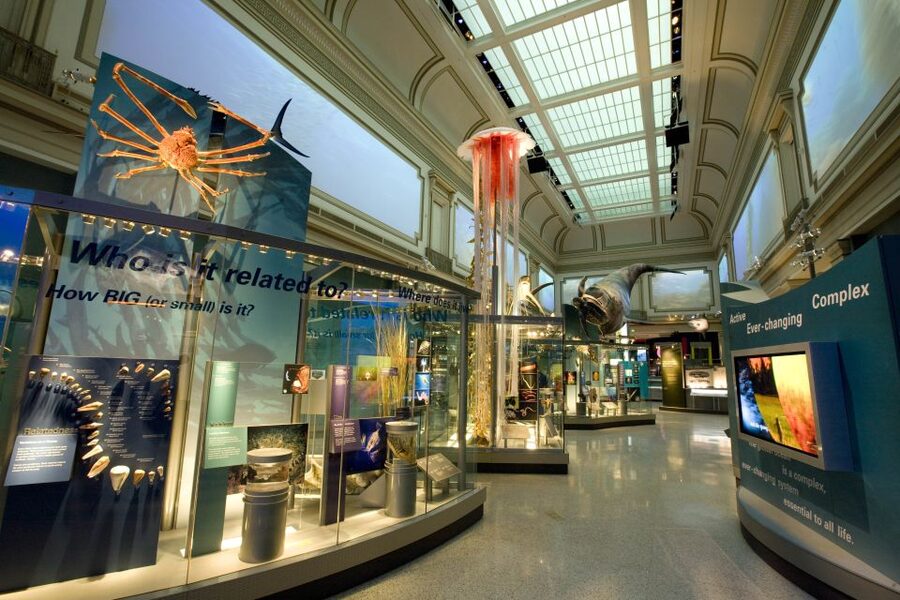
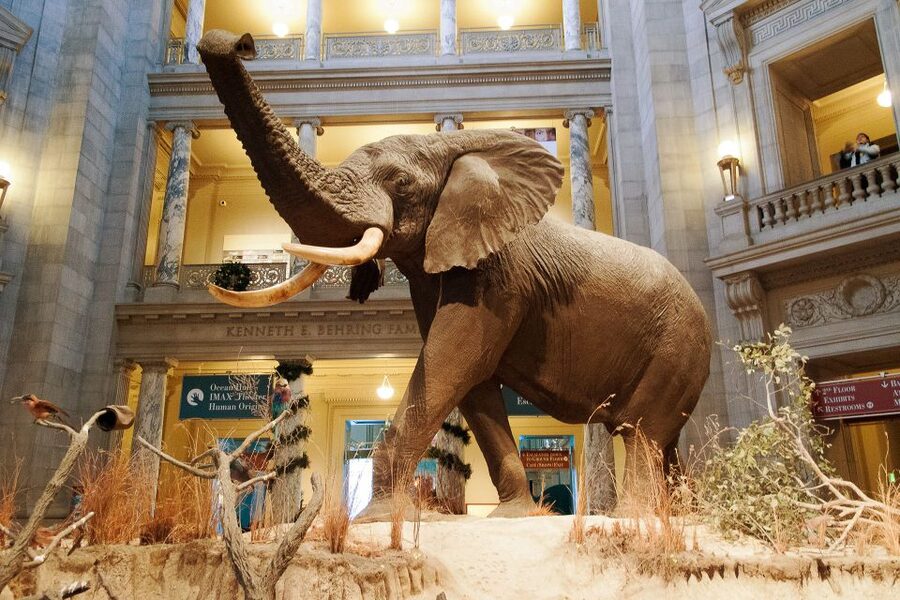
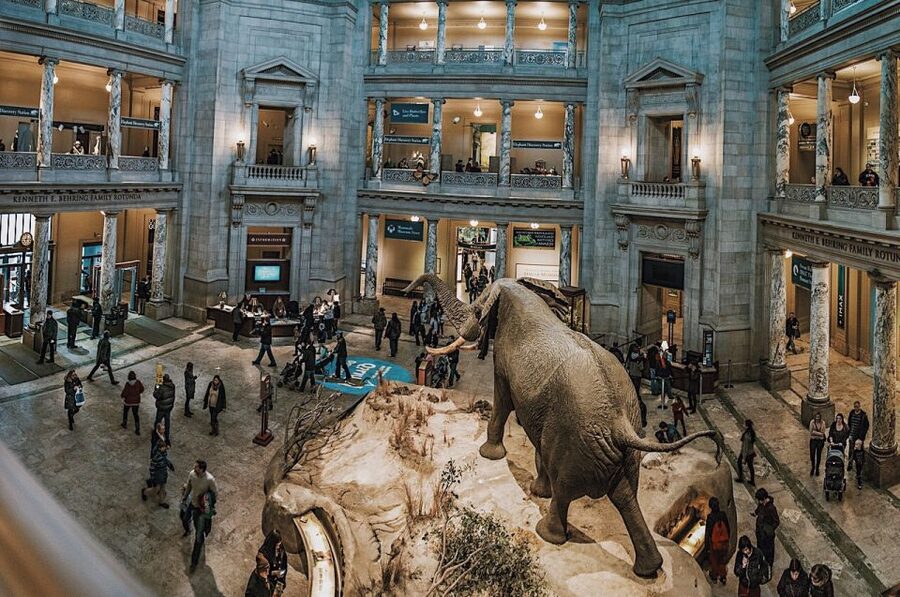
The land-animal displays supply the classic museum wow factor. Giraffes, elephants, polar bears, and other large animals are presented in a way that lets you compare size, shape, and adaptation across species.
These exhibits are a safe bet for families. Even a child who has lost interest in a mineral case may become alert when an elephant or giraffe comes into view. A good guide can keep the group engaged with short stories and questions rather than long blocks of technical detail.
Brenda is especially useful for families who want an interactive visit. She is described as making an effort to involve everyone in the group and choosing facts based on their interests. That approach can make a real difference when adults and children are not looking for the same kind of museum experience.
You should still expect some walking and standing. This is a 2.5-hour walking tour through a large public museum, not a seated presentation. Wear suitable clothing for entry into the relevant sites and keep your belongings light.
What the guides add to the experience
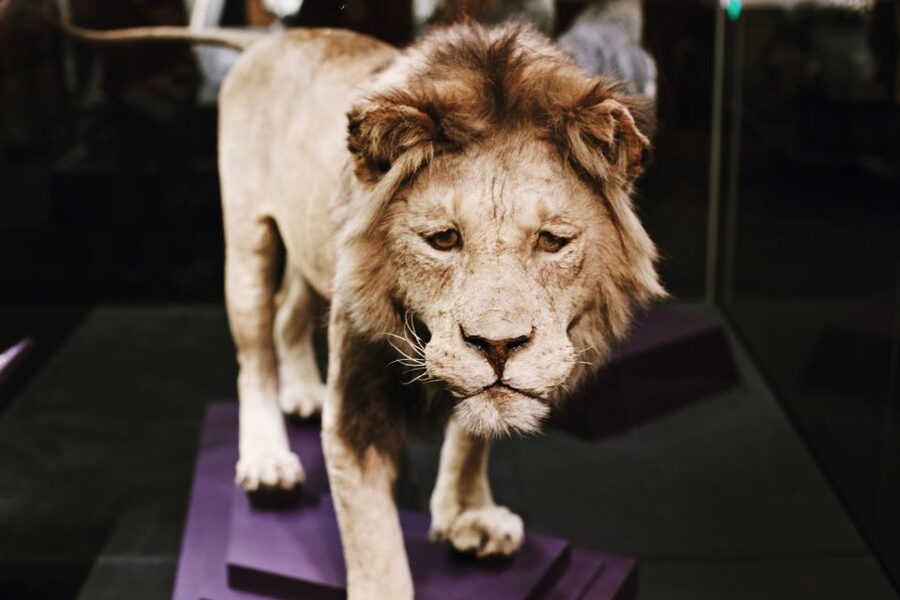
The guides are the tour’s biggest variable, but the available feedback points to a strong pattern: the best part is the way they tell stories and respond to questions. Leigh is described as holding the attention of a 16-year-old, which is no small achievement in a museum filled with scientific labels.
Tim’s conversational approach suits adults and curious older children. He asked about interests and made room for discussion of new discoveries, theories, and the future of science. Tony is a good fit for families who want both the main displays and practical ideas for other places to see around Washington DC.
Brenda’s strength is family engagement, while Richard is described as giving a detailed and informative visit that made a lasting impression. These examples suggest you are not simply paying for someone to lead you from room to room. You are paying for interpretation, judgment, and the ability to notice what your particular group finds interesting.
The private option gives you the clearest chance to control the conversation. The small group option should still feel personal because no more than eight people are included. If you want a quiet, highly focused visit, private is the better choice. If you want the guide’s expertise at a lower per-person cost, the small group format may offer better value.
Is $86 a fair price?
At $86 per person, this is not the cheapest way to enter a free public museum, so the value depends on how you use your time. You are paying for a professional English-speaking guide, a 2.5-hour walking route, and the convenience of skipping the ticket line. The tour also saves you from planning your own route through a building of enormous scale.
The price makes the most sense for a first visit, a short Washington DC stay, or a family that wants the main displays without reading every sign. It is also useful if you are visiting with someone who enjoys asking questions and wants context instead of a quick look at the famous objects.
The value is weaker if you already know the museum well or prefer to move at your own pace. Independent visitors can linger with one exhibit, leave for lunch, and return to a favorite hall. This guided route is better for focus and interpretation than for total freedom.
Temporary exhibits are not included, so do not book this expecting access to every special display in the building. The route may also change because some collections vary. The permanent highlights listed here are the core reason to book.
Timing, bags, ID, and entry rules
The tour lasts 2.5 hours, and starting times depend on availability. Check the exact meeting point for the option you choose, since it may vary. The activity ends back at the meeting point, and hotel pickup and drop-off are not included.
Bring a passport or other valid photo ID. Security permits only handbags or small, thin backpacks, so leave luggage and large bags elsewhere. This is an easy detail to overlook, especially if you are arriving in Washington DC by train or carrying belongings between hotels.
Appropriate dress is required for entry into some sites on the tour. Museum closures can happen without advance warning. If opening is delayed by more than an hour, an appropriate alternative is provided, but the supplier does not offer refunds or discounts in that situation.
You can cancel up to 24 hours before the tour for a full refund, and you can reserve now and pay later. Those terms help if your Washington schedule is still moving around.
Who should book this museum tour?
I would recommend it to first-time visitors who want a smart introduction rather than a random walk through the halls. Families should also consider it, especially if keeping children engaged matters more than seeing every display.
It is a good match for anyone who enjoys science but does not want to decode every museum label alone. The route covers enough variety to keep the experience moving: famous minerals, real mummies, marine life, whales, fossils, narwhals, and large mammals.
The private option is worth considering for a couple, family, or group with a clear interest in fossils, animals, geology, or ocean science. A small group of up to eight offers a more budget-conscious way to get the guide’s route and explanations.
I would be more cautious if you use a wheelchair. Wheelchair tours are available by request only, yet the activity is also marked as unsuitable for wheelchair users. Confirm access arrangements before paying. You should also skip this tour if you need to carry large luggage or want to spend most of the day at temporary exhibits.
Should you book the National Museum of Natural History tour?
Book it if you want the museum’s main attractions explained by a guide who can adjust the visit to your questions. The Hope Diamond, Dom Pedro Aquamarine, Phoenix, real mummies, the Ocean Hall, and the Fossil Lab give you a strong mix of spectacle and science in a manageable 2.5 hours.
The clearest reason to choose this tour is the guide. Leigh’s storytelling, Tim’s conversation, Brenda’s family focus, Tony’s practical suggestions, and Richard’s detailed explanations show how much the experience can improve when the person leading it knows how to read a group.
Skip it if your main goal is a slow, independent museum day. At $86 per person, the tour earns its price through time saved, line-skipping, and interpretation, not through the building’s basic admission. For a first visit with limited time, that trade can be sensible. For repeat visitors, wandering on your own may be the better deal.
FAQ
How long does the National Museum of Natural History tour last?
The guided walking tour lasts 2.5 hours. Starting times depend on availability.
Is the tour private or shared?
You can choose a private tour or a small group tour. Each group has no more than eight people.
What language is the tour offered in?
The live tour guide speaks English.
Which exhibits are included?
The route may include the Hope Diamond, Dom Pedro Aquamarine, Star of Asia Sapphire, real mummies, the Ocean Hall, Phoenix the whale, the Fossil Lab, the Arctic Narwhal, giraffes, elephants, polar bears, and other large animals. Collections may vary.
Are temporary exhibits included?
No. Temporary exhibits are not included in the tour.
What should I bring?
Bring a valid passport or photo ID. Only handbags or small, thin backpacks are allowed through security, so do not bring luggage or large bags.
Is the tour accessible to wheelchair users?
Wheelchair tours are available by request only, but the activity is listed as unsuitable for wheelchair users. Confirm arrangements with the provider before booking.
More history tours in Washington DC
- DC Monuments & History Guided E-Cart Tour-Blankets
★ 4.5 · 450 reviews - Historic Georgetown: History, Gossip, & Architecture Walking Tour
★ 5.0 · 321 reviews - DC’s Original Food and History Walking Tour
★ 5.0 · 255 reviews - Smithsonian Museum of American History Exclusive Guided Tour
★ 5.0 · 245 reviews
Recently added around Washington DC
- Small Group Washington DC Night Tour★ 4.5 · 3 reviews
- Washington DC Neighborhoods Personalized Self-Guided App Tour★ 3.5 · 3 reviews
- America’s Main Street and White House Private Full-Day Tour★ 5.0 · 3 reviews
- Beyond the Closet Walking Tour★ 5.0 · 3 reviews
- Pirate Ship Treasure Hunt Cruise with Face Painting★ 4.5 · 3 reviews
- Sushi Masterclass in Washington D.C. (Includes 4-Course Meal)★ 5.0 · 3 reviews
- Private Washington DC Grand Tour with Changing of the Guard.★ 5.0 · 3 reviews
- 250th: National Archives & American History Museum Guided Tour★ 5.0 · 3 reviews
Natural History Museum, compared.
Smithsonian Museum of Natural History Small Group Tour: 8ppl Max
Read our review →
Smithsonian National Museum of Natural History Guided Tour
Read our review →
Smithsonian Natural History + Air and Space Museum Private Tour
Read our review →
Smithsonian Natural History + Air & Space Museum Tour 8ppl Max
Read our review →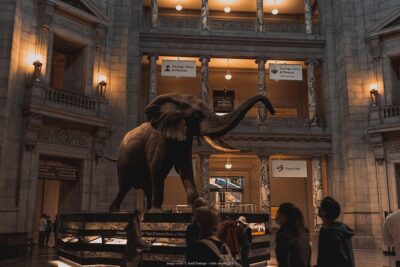
Two Smithsonian Museums Private Tour: American & Natural History
Read our review →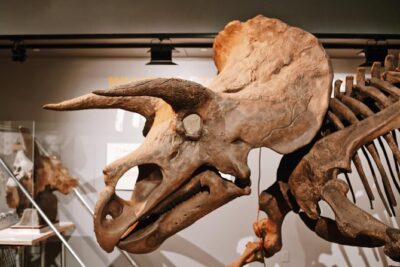
Smithsonian Natural History + Museum of American History 8ppl Max
Read our review →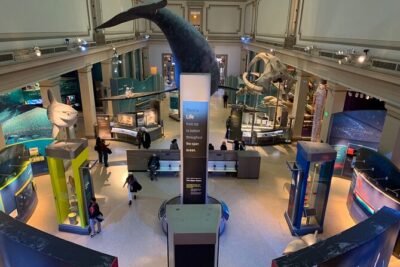
Smithsonian Museum of Natural History Guided Tour
Read our review →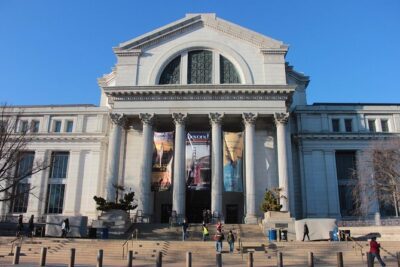
Smithsonian Natural History + American History – Exclusive Tour
Read our review →Browse the lists this tour appears in