
Reviewed · NATURAL HISTORY MUSEUM
Washington, DC: Natural History & Air and Space Museum Tour
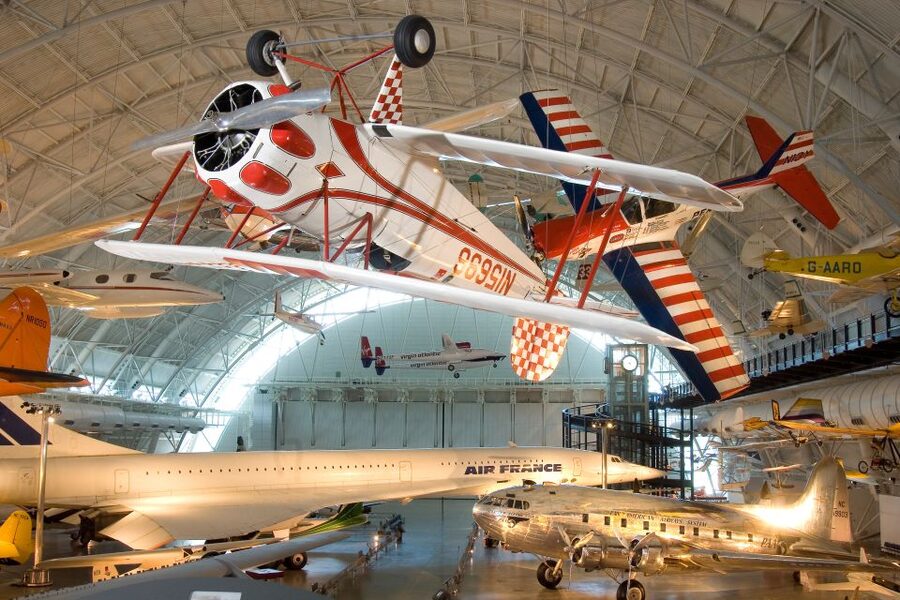
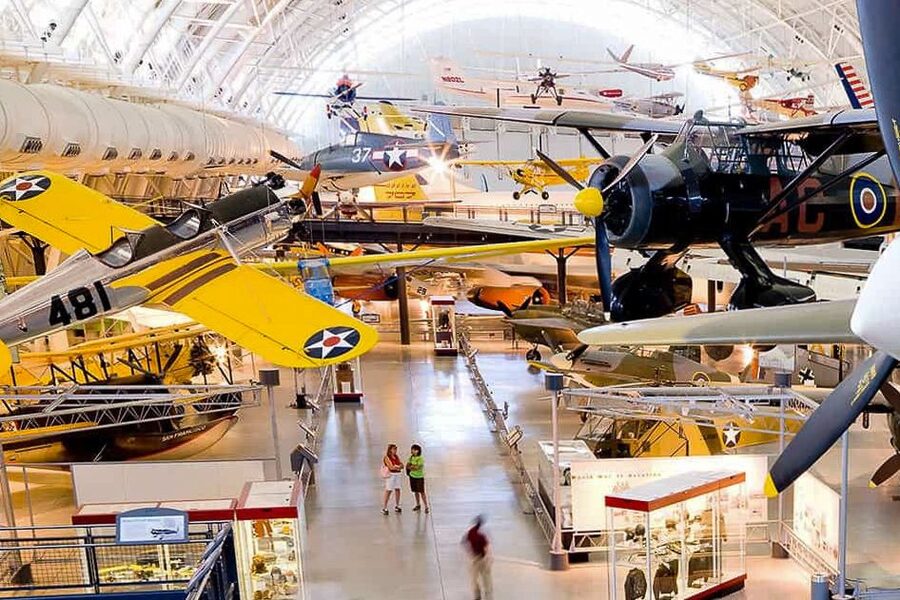
The best part of this Washington tour is the pairing: dinosaurs and diamonds in the morning, then planes, spacecraft, and the Apollo 11 Command Module after lunch. A guide gives the enormous Smithsonian collections a human scale, helping you choose the exhibits worth your limited time.
I like the small maximum of eight people and the strong guide focus. Tim, Brenda, Leigh, and Doug are named guides associated with especially useful tours, each praised for clear explanations and a smooth pace. The main drawback is simple: five and a half hours inside two huge museums can feel tiring, and the Air and Space Museum is still undergoing renovation.
In This Review
- Key things to know before booking
- Why these two Smithsonian museums work well together
- Meeting at the Natural History Museum
- Henry, the Hope Diamond, and the Fossil Hall
- The Mall crossing and the mid-tour break
- The 1903 Wright Flyer and the birth of aviation
- Spacecraft, spacesuits, and Apollo 11
- Small group or private tour?
- Guide quality and pace
- Closures, security, and practical limits
- Is this museum tour a good buy?
- FAQ
- How long does the Washington museum tour last?
- Where does the tour begin?
- Where does the tour end?
- Which museums are included?
- What famous exhibits will I see?
- How many people are allowed on each tour?
- Is the tour offered in English?
- Can I bring luggage?
- What happens if one of the museums closes?
Key things to know before booking
- Henry the elephant greets you at Natural History: See the museum’s famous taxidermied African elephant before moving on to gems, insects, fossils, and animals.
- The renovated Fossil Hall is a major stop: Expect Mastodon, Tyrannosaurus rex, Diplodocus, and other large fossils arranged along the museum route.
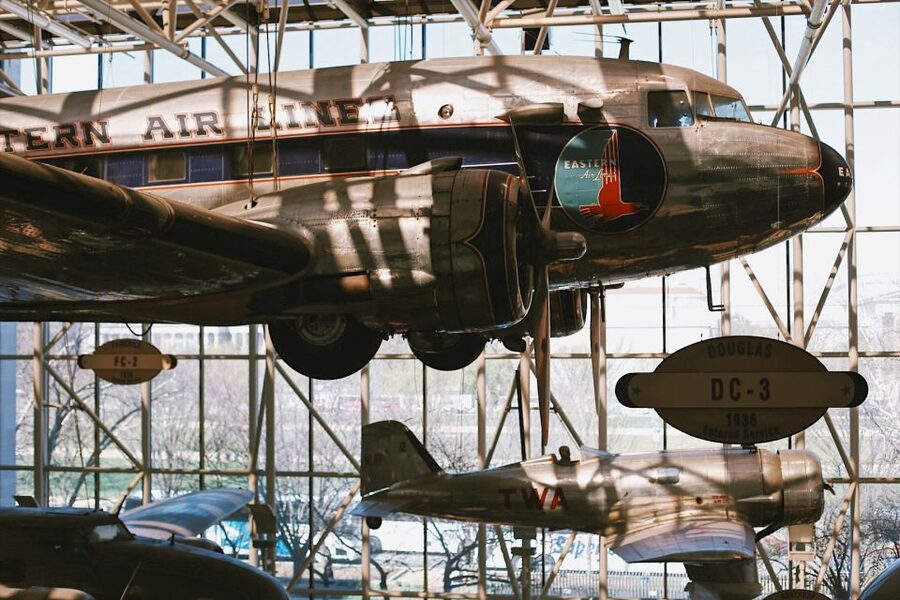
- The original 1903 Wright Flyer is included: Your guide explains how the Wright brothers changed aviation from a risky experiment into a new form of travel.
- Apollo 11 brings the space story down to Earth: The Command Module is one of the tour’s most memorable objects.
- Groups are limited to eight people: You can choose a private tour or a small group, giving you more access to the guide than a large coach excursion.
- Pack light: Only handbags and small thin backpacks are allowed through security, and luggage is not permitted.
Why these two Smithsonian museums work well together
Washington’s Smithsonian museums are free to enter, but free does not mean easy. The collections are vast, the buildings can be crowded, and the most famous objects are spread through large halls. This tour costs $166 per person because you are paying for a guide’s time, structure, and interpretation rather than simply admission.
That difference matters most if you have only one or two days in Washington. Instead of wandering until you are tired, you get a planned route through two of the city’s most popular museums. You also have someone to explain why an object matters, not just point to its label.
The tour lasts about 5.5 hours, split into roughly 2.5 hours at each museum. There is a break between the two visits, giving you time to recharge before crossing the National Mall. I would still wear comfortable shoes and keep your expectations sensible. You will see major highlights, not every room.
More Air and Space Museum tours:
- Smithsonian Museums Walking Tour with Reserved Air & Space Entry
★ 5.0 · 297 reviews - The Smithsonian National Air & Space Museum Exclusive Guided Tour
★ 5.0 · 214 reviews - Smithsonian Air & Space Museum Guided Tour Semi-Private 8ppl Max
★ 5.0 · 154 reviews
Meeting at the Natural History Museum
The tour begins on the large stairs at the Madison Drive NW entrance of the National Museum of Natural History. The entrance faces the lawn of the National Mall, so you should arrive with enough time to identify the correct side of the building.
The starting point is practical, but the Mall has several broad paths and museum entrances. Check the details sent to you before the tour, and keep the guide’s contact information handy. It arrives by email from Babylon Tours DC, sometimes in a spam folder. For urgent matters, you can call or text the guide.
You should bring a valid photo ID or passport. Security rules allow only handbags or small, thin backpacks, so leave suitcases and large day bags elsewhere. This is especially important if you are coming directly from a hotel or train station.
The tour offers skip-the-ticket-line access, but you will still go through museum security. Appropriate dress is required for entry to some sites on the tour.
Henry, the Hope Diamond, and the Fossil Hall
Natural History is an excellent first museum because it moves from familiar animals to stranger questions about the planet. Henry, the museum’s enormous taxidermied elephant, provides an immediate landmark and a little humor. He is described as the largest taxidermied elephant in the world, and he makes a memorable first stop.
From there, your guide can frame the museum’s huge collection around a few strong themes: stones, bones, insects, animals, and the forces that shaped the natural world. Without a guide, it is easy to spend too long in one display and miss an entire wing. A good escort keeps the route moving while adding stories that make the objects easier to remember.
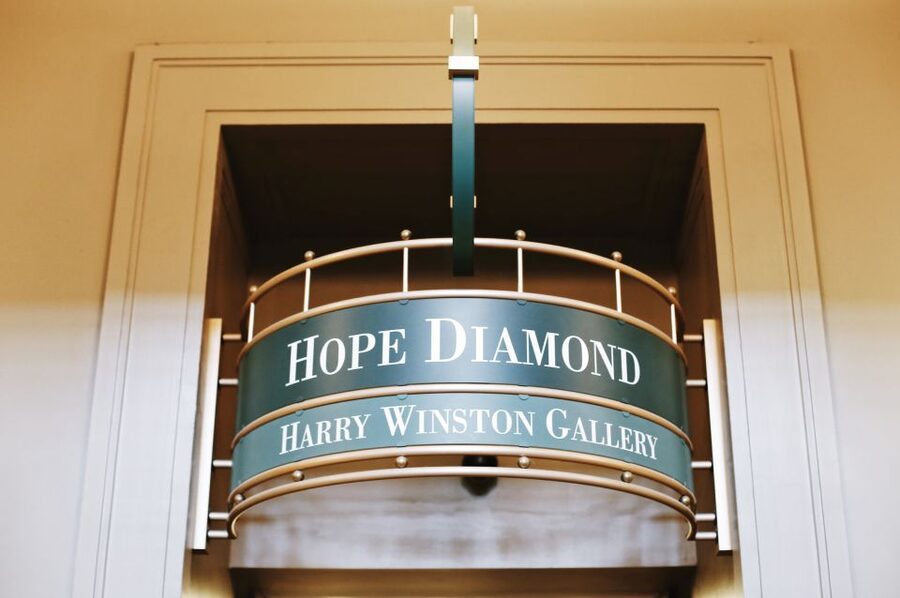
The Hope Diamond is one of the museum’s most famous objects. Its reputation includes a supposed curse, but the real appeal is the stone itself and the way a single jewel can draw a crowd in the middle of a museum filled with millions of specimens. This is a good example of why interpretation helps. You are not just looking at a blue diamond. You are considering how objects gain fame through science, ownership, legend, and public display.
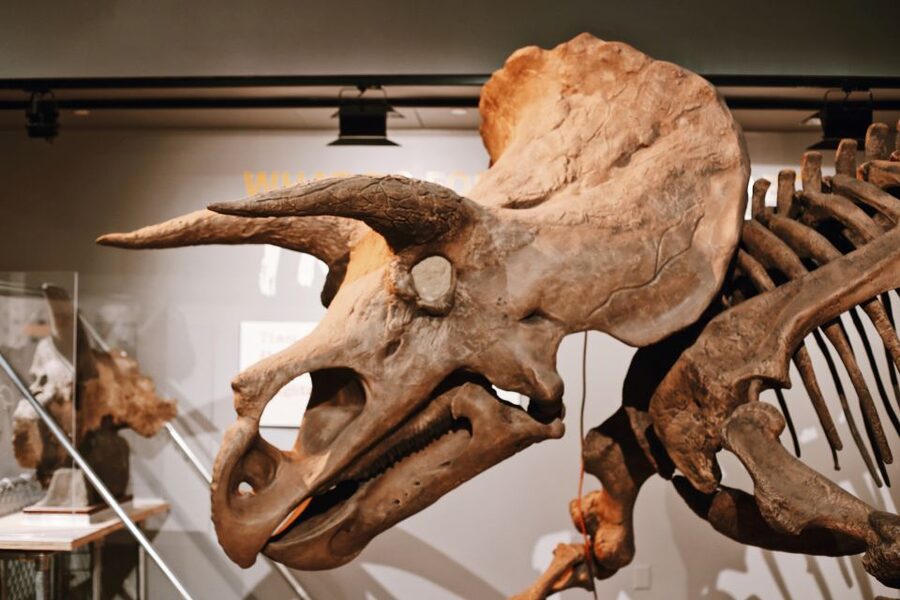
The renovated Fossil Hall is the Natural History visit’s main event for many people. Mastodon, Tyrannosaurus rex, and Diplodocus loom over the route, giving you a clear sense of the size and variety of prehistoric life. The hall also helps connect individual fossils to larger questions about extinction and change.
I would give this part of the tour your full attention, particularly if you are visiting with children or anyone fascinated by dinosaurs. The drawback is that the museum has far more than the tour can cover. You may see only a selection of animals, minerals, fossils, and insects, and you should not expect a complete visit to every floor.
The guide’s job here is selection. Brenda, for example, is associated with detailed explanations, historical context, and careful exhibit choices. That kind of guidance is useful when you want the museum to feel like a story instead of a warehouse of fascinating things.
The Mall crossing and the mid-tour break

After about 2.5 hours, you leave Natural History and cross the National Mall to the National Air and Space Museum. The break between museums is built into the day, but food and drinks are not included.
Treat this pause as recovery time, not as wasted time. Five and a half hours is a long stretch for museum touring, especially when you are standing, listening, and moving through crowds. Bring or buy something to eat according to the timing available on your booking, but remember that the tour information does not include a specific meal stop or restaurant.
The walk between the museums is part of the practical appeal. You are not being driven across town or asked to find the second site alone. Still, the day is mainly on foot, so comfortable shoes and light packing will make a noticeable difference.
More Natural History Museum tours:
- Smithsonian Museum of Natural History – Exclusive Guided Tour
★ 5.0 · 446 reviews - Smithsonian Museum of Natural History Small Group Tour: 8ppl Max
★ 5.0 · 177 reviews - Smithsonian National Museum of Natural History Guided Tour
★ 4.1 · 159 reviews - Smithsonian Natural History + Air and Space Museum Private Tour
★ 5.0 · 67 reviews
The 1903 Wright Flyer and the birth of aviation
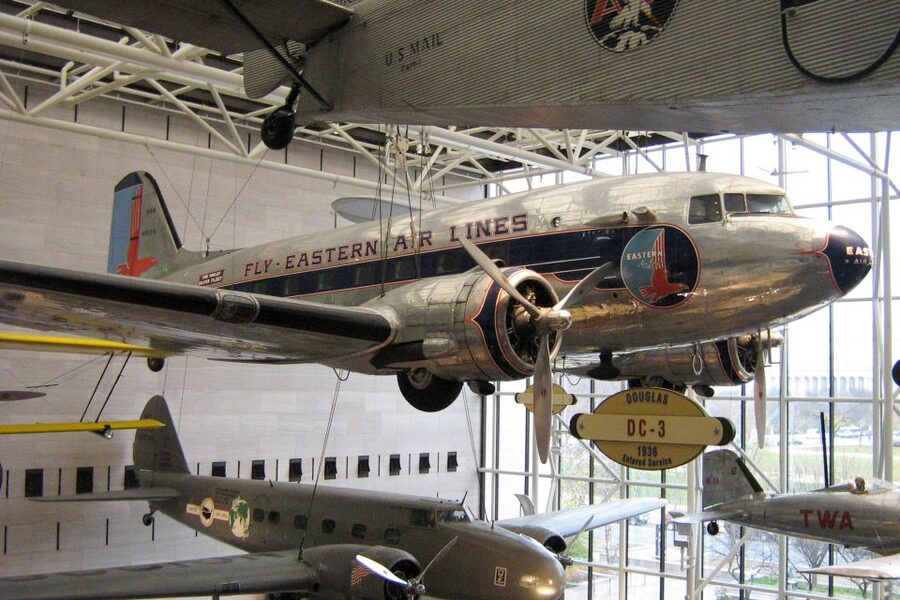
The Air and Space Museum visit begins with the Wright brothers and the problem they set out to solve in Ohio. The 1903 Wright Flyer receives its own exhibition gallery, giving the tour a clear starting point for the story of powered flight.
The important thing here is scale. Early aircraft can look fragile compared with modern jets, yet the Wright brothers’ machine helped launch an entirely new era. Your guide can add the human element: the uncertainty, the engineering problems, and the courage required to trust a new machine with your life.
The museum also traces the next steps, including the first military flyer from 1909, another Wright brothers creation. From there, the route moves toward record-setting flights and commercial aviation. You get a sense of how quickly aviation moved from a family experiment to a technology used by governments and ordinary passengers.
This section should suit you if you enjoy machines but do not want a purely technical tour. The guide connects the aircraft to decisions and risks made by real people. Doug, one of the named guides, is associated with a professional and well-informed approach that works especially well for this kind of material.
The museum is currently undergoing renovation, so the Air and Space experience may not present every gallery in its final form. There is still plenty to see, but you should accept that certain rooms or displays may be closed or changed. Temporary exhibits are not included.
Spacecraft, spacesuits, and Apollo 11
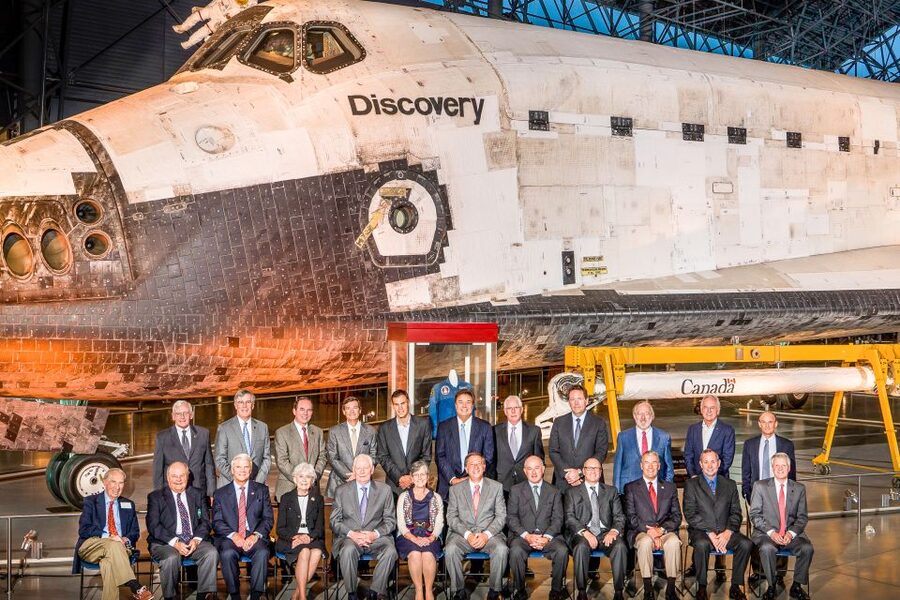
The space exhibits shift the mood from practical invention to exploration in an environment where almost every mistake can be fatal. You see actual artifacts tied to humanity’s attempt to operate beyond Earth, including spacesuits and the Apollo 11 Command Module.
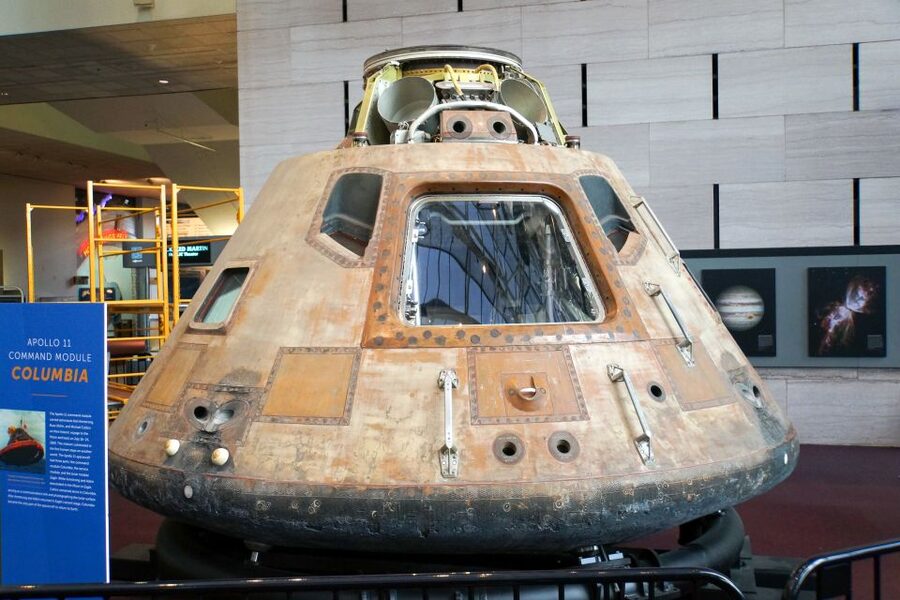
The Command Module is a powerful object because it makes the moon mission physical. It is not just a date in a textbook or a grainy television image. It is a compact machine that carried people into space and back to Earth.
Your guide can place that achievement beside the aviation displays. The Wright Flyer represents the first uncertain steps into the air. Apollo represents a later point where engineering, training, and national ambition pushed people far beyond familiar surroundings. The result is a satisfying arc across the second museum.
The tour also points to imaginative works that helped shape scientific ambition, including the Starship Enterprise and the Star Wars X-Wing. These displays add a lighter note and show how science fiction can inspire people to imagine technology before it exists.
You should not expect a complete space program survey in the time available. The value is in seeing a few major artifacts and understanding their place in a larger story. If you want to read every label or focus on one specialized subject, you may prefer a self-guided visit after the tour.
Small group or private tour?
The maximum group size is eight people. That limit is one of the strongest reasons to choose this experience over a large museum excursion. You can usually hear the guide more easily, ask questions, and stay connected while moving through crowded halls.
A private tour gives you the most control, though the supplied information does not promise a fully customized route. A small-group tour is likely the better value if you want expert structure without paying for a guide entirely on your own.
The listed price is $166 per person. Since Smithsonian admission itself is not the main expense, the price makes the most sense for visitors who value time and interpretation. I would consider it worthwhile if you are visiting Washington for a short stay, dislike navigating crowded museums, or want an adult to keep a family group focused.
It is less appealing if you already know both museums well, prefer to move at your own speed, or plan to spend a full day reading every display. You are buying a guided highlights route, not unlimited time.
For semi-private tours, at least two participants are required. If that minimum is not met, an alternative date or refund is offered. Private and small-group options are available, and wheelchair tours can be arranged by request.
Guide quality and pace
The guide can make or break a museum tour. Here, the strongest pattern is clear explanation combined with good exhibit choices. Tim is associated with an easy, confident route through the museums. Brenda is noted for detailed information, context, and thoughtful selections. Leigh is associated with real insight into the collections and a balanced two-hour visit in each museum. Doug brings a professional approach to the aviation and American history material.
Those names do not guarantee which guide you will receive, but they help you understand the kind of service the tour aims to provide. You should expect an English-speaking local expert who talks you through the key rooms and objects rather than simply leading you from one doorway to another.
Some museum rooms have rules requiring quiet or limiting speech. In those spaces, your guide will explain the contents before you enter. That is a small but useful detail, since you will not be left wondering why the commentary suddenly stops.
The timing is brisk. Two and a half hours per museum is enough for a strong first visit, but not enough to linger everywhere. If you have mobility concerns, want frequent rest stops, or are visiting with young children, consider the length before booking.
Closures, security, and practical limits
The museums can occasionally close without advance warning from museum management. If opening is delayed by more than one hour after your scheduled start, an appropriate alternative is provided, but the supplier does not offer refunds or discounts in those cases.
That policy is worth understanding before you book a tightly scheduled day. Do not place an important timed dinner, theater ticket, or train departure immediately after the tour.
The activity ends back at the original meeting point. Hotel pickup and drop-off are not included, and food and drinks are also your responsibility. The tour is offered in English.
You can cancel up to 24 hours in advance for a full refund, and reserve now while paying later. Those terms help if your Washington plans are still shifting, but museum closures remain outside the normal cancellation arrangement.
Is this museum tour a good buy?
Book this tour if you want the major objects without spending half your day finding them. It is especially useful for a first visit to Washington, a family group that needs direction, or anyone who wants the Hope Diamond, dinosaurs, Wright Flyer, and Apollo 11 Command Module connected by a clear story.
Choose the small group if you want a sensible balance of cost and personal attention. Choose private if flexibility matters more than price. Skip it if you already have a firm museum plan, want to explore at a slow pace, or dislike spending most of a day indoors.
The best reason to book is not simply the number of exhibits. It is the way a strong guide can turn two enormous museums into a manageable day, with memorable stops and enough context to make the objects stick with you.
FAQ
How long does the Washington museum tour last?
The activity lasts 5.5 hours. It includes about 2.5 hours at the Natural History Museum and 2.5 hours at the Air and Space Museum, with a break between them.
Where does the tour begin?
Meet your guide on the large stairs at the Madison Drive NW entrance of the Museum of Natural History, facing the lawn of the National Mall.
Where does the tour end?
The activity ends back at the original meeting point.
Which museums are included?
The tour visits the Smithsonian National Museum of Natural History and the Smithsonian National Air and Space Museum.
What famous exhibits will I see?
The route includes Henry the taxidermied elephant, the Hope Diamond, the renovated Fossil Hall with major dinosaur fossils, the 1903 Wright Brothers Flyer, spacesuits, and the Apollo 11 Command Module.
How many people are allowed on each tour?
A maximum of eight people is permitted on each tour. Private and small-group options are available.
Is the tour offered in English?
Yes. The live tour guide speaks English.
Can I bring luggage?
No. Luggage and large bags are not allowed. Only handbags or small, thin backpacks are permitted through security.
What happens if one of the museums closes?
The museums can sometimes close without advance warning. If opening is delayed by more than one hour after the tour begins, an appropriate alternative is provided. The supplier does not provide refunds or discounts for these closure situations.
More history tours in Washington DC
- DC Monuments & History Guided E-Cart Tour-Blankets
★ 4.5 · 450 reviews - Historic Georgetown: History, Gossip, & Architecture Walking Tour
★ 5.0 · 321 reviews - DC’s Original Food and History Walking Tour
★ 5.0 · 255 reviews - Smithsonian Museum of American History Exclusive Guided Tour
★ 5.0 · 245 reviews
More museums in Washington DC
- Guided African American History Tour with Reserved Museum Entry
★ 4.5 · 1,180 reviews - African American History Tour with Museum of African American History Ticket
★ 4.5 · 390 reviews - National Mall Tour with 10 Stops & U.S. Capitol or Museum Entry
★ 4.5 · 331 reviews - Washington, DC: African American History Tour & Museum Entry
★ 4.9 · 312 reviews
Recently added around Washington DC
- Small Group Washington DC Night Tour★ 4.5 · 3 reviews
- Washington DC Neighborhoods Personalized Self-Guided App Tour★ 3.5 · 3 reviews
- America’s Main Street and White House Private Full-Day Tour★ 5.0 · 3 reviews
- Beyond the Closet Walking Tour★ 5.0 · 3 reviews
- Sushi Masterclass in Washington D.C. (Includes 4-Course Meal)★ 5.0 · 3 reviews
- Pirate Ship Treasure Hunt Cruise with Face Painting★ 4.5 · 3 reviews
- Private Washington DC Grand Tour with Changing of the Guard.★ 5.0 · 3 reviews
- 250th: National Archives & American History Museum Guided Tour★ 5.0 · 3 reviews
Natural History Museum, compared.
Smithsonian Museum of Natural History Small Group Tour: 8ppl Max
Read our review →
Smithsonian National Museum of Natural History Guided Tour
Read our review →
Smithsonian Natural History + Air and Space Museum Private Tour
Read our review →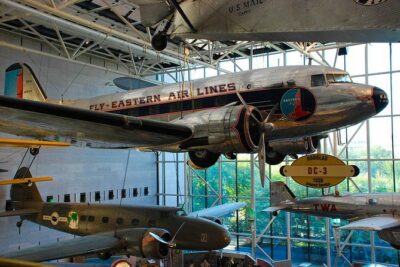
Smithsonian Natural History + Air & Space Museum Tour 8ppl Max
Read our review →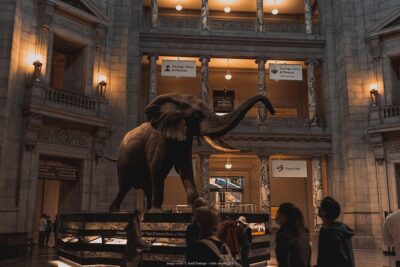
Two Smithsonian Museums Private Tour: American & Natural History
Read our review →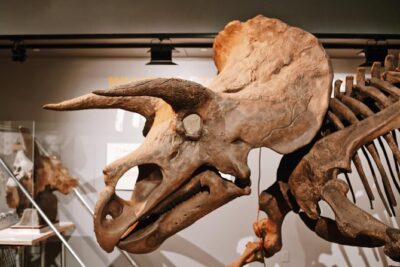
Smithsonian Natural History + Museum of American History 8ppl Max
Read our review →
Smithsonian Museum of Natural History Guided Tour
Read our review →Browse the lists this tour appears in