
Reviewed · NATIONAL ARCHIVES
National Archives + National Portrait Gallery Tour 6ppl Max
The most powerful part of this Washington tour comes before you even reach the art. In the National Archives Rotunda, you face the original Declaration of Independence, Constitution, and Bill of Rights, documents that turn familiar schoolbook ideas into physical, handwritten objects. The later visit to the National Portrait Gallery and American Art Museum adds the people and culture behind those ideals.
I like the thoughtful link between founding documents and American identity. I also like the small-group format, which gives a guide room to explain details instead of simply pointing at famous objects. The main caution is value: at $174 per person, you are paying for guidance and line-skipping, not admission to a large number of paid attractions. One past booking also reported trouble hearing and locating the guide, so staying close to the group matters.
In This Review
- Key points at a glance
- Why these two museums belong together
- Meeting your guide at the National Archives
- The National Archives Rotunda and the Charters of Freedom
- The 1297 Magna Carta in the Rubenstein Gallery
- The break between Washington’s founding documents and its art
- Presidential portraits at the National Portrait Gallery
- Mary Cassatt, Edward Hopper, Andy Warhol, and Norman Rockwell
- What the $174 price really buys
- Who should book this museum pairing
- Should you book the National Archives and Portrait Gallery tour?
- FAQ
- How long does the tour last?
- What museums are included?
- What will I see at the National Archives?
- Does the tour include presidential portraits?
- Which artists may I see?
- Is food included?
- Where do I meet the guide?
- What should I bring?
- Can I bring luggage or a large bag?
- What happens if the tour does not operate?
Key points at a glance
- Original founding documents: See the Declaration of Independence, Constitution, and Bill of Rights in the National Archives Rotunda.
- Magna Carta connection: Examine a 1297 copy and consider how ideas about rights and citizenship developed.
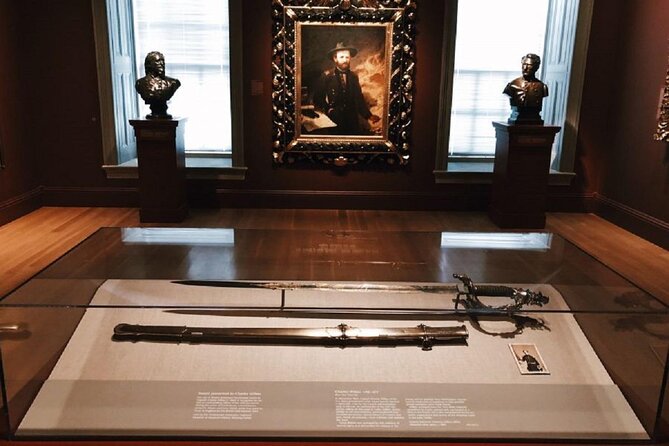
- Portraits of presidents: Hear stories behind the official Presidential Portrait Gallery.
- American art beyond the presidents: Look for Mary Cassatt, Edward Hopper, Andy Warhol, and Norman Rockwell.
- Small group setting: The tour is offered privately or in a group capped at eight people, though the product title refers to six, so confirm the exact group size when booking.
- Long but useful schedule: The full experience lasts 330 minutes, including a break between the two guided portions.
Why these two museums belong together
Washington has plenty of museums, but these two answer different questions. The National Archives asks what the United States promised on paper. The National Portrait Gallery asks who shaped the country, and how Americans have chosen to remember them.
That pairing gives the day a clear thread. You begin with laws, rights, and political ideals. Later, you see presidents, artists, activists, and other public figures represented through painting, sculpture, and video.
I find this more satisfying than treating the museums as unrelated stops. The Archives provides the framework. The portrait and art collections show how that framework was tested, expanded, and interpreted by real people.
The schedule is substantial: 330 minutes, or five and a half hours. Two guided portions are described as about two hours each, with time between them for food and a mental reset. This is not a quick museum visit. You should reserve it for a day when you can pay attention for several hours.
More National Archives tours:
- VIP Best of DC with US Capitol + National Archives Reserved Entry
★ 4.5 · 2,491 reviews - Skip-the-line National Archives Building Exclusive Guided Tour
★ 5.0 · 381 reviews - National Archives Skip the Line Guided Tour Semi-Private 6ppl Max
★ 5.0 · 196 reviews
Meeting your guide at the National Archives
The meeting point is at the bottom of the front stairs of the National Archives Building on Constitution Avenue NW. That is an easy location to identify, but you should arrive ready for security and avoid bringing luggage or large bags.
A valid photo ID is required. You may bring a handbag or a small, thin backpack, but large bags are not allowed through security. Comfortable shoes are a sensible choice because the day includes extended time on your feet.
The skip-the-ticket-line benefit can help you start with less waiting. It does not mean you skip all security procedures. Museum staff still control entry, and the Archives can close without warning. If that happens, the operator says an appropriate alternative will be provided, but you should keep some flexibility in your schedule.
Your guide’s contact details are sent by email by the morning of the tour. Check your spam folder if you cannot find them. Save the number before leaving your hotel, since the instructions specifically recommend calling or texting for urgent matters.
The National Archives Rotunda and the Charters of Freedom
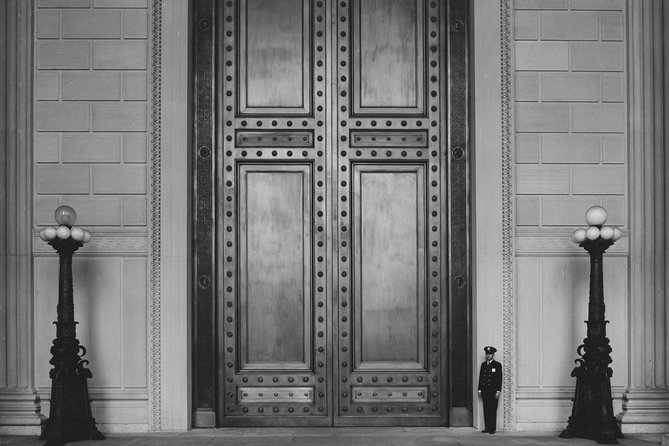
The opening stop is the emotional center of the experience. Inside the Rotunda, you see the original Declaration of Independence, Constitution, and Bill of Rights, often grouped under the name Charters of Freedom.
These are not replicas or decorative displays. The power comes from their physical presence: ink, parchment, signatures, and the traces of documents handled across generations. A guide can help you notice the wording and circumstances behind each text, rather than leaving you with a quick look and a familiar title.
The tour is designed to explain how the new nation came into existence and what its founders were trying to establish. That context matters because the documents contain both sweeping ideals and serious limits. The famous claim that all people are created equal did not immediately include everyone in American political life.
This is where a guide can add real value. You can ask about the tension between universal language and restricted citizenship, then carry that question into the next galleries. The museum itself provides the objects. The guide helps connect them.
Some rooms have quiet rules or restrictions on speaking. Your guide will explain those limits before you enter. Do not expect a running talk in every gallery. At times, you may need to listen before entering or receive information outside the room.
One account from a previous booking described the Archives portion as poorly coordinated, with the guide difficult to hear and eventually lost from the group. That is not a complaint to ignore. In a quiet museum, stay within sight of the guide and speak up early if you cannot hear. A small group should make this easier, but it still requires attention.
The 1297 Magna Carta in the Rubenstein Gallery
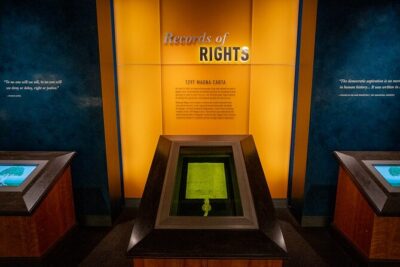
The Rubenstein Gallery moves the story beyond the birth of the United States. Its 1297 copy of the Magna Carta offers a look at an older tradition of limits on government and the rights of subjects.
The point is not that the Magna Carta created modern American democracy in one straight line. Its meaning changed over time, and later generations interpreted it for their own purposes. The guide uses it to broaden the discussion about citizenship, rights, and who is included in a political community.
This stop is valuable if you enjoy ideas as much as famous objects. You are not simply checking another document off a list. You are considering how the language of rights developed across centuries, and how American founders drew on earlier political thought.
For families with older children, this can be one of the most useful parts of the day. It gives a concrete object to a subject that can otherwise sound abstract. For younger children, the long explanation may require patience.
The Archives visit can feel serious and text-heavy. That is part of its character, but it is also the reason the guide’s delivery matters. If the narration is clear, the documents gain force. If you cannot hear, much of what you paid for disappears.
More National Portrait Gallery tours:
- National Archives + National Portrait Gallery Tour 6ppl Max
★ 5.0 · 34 reviews - DC National Archives + National Portrait Gallery – Exclusive Tour
★ 5.0 · 27 reviews - DC Portrait Gallery & American Art Museum – Exclusive Guided Tour
★ 5.0 · 24 reviews - National Gallery of Art, American Art & Portrait Gallery Tour
★ 5.0 · 22 reviews
The break between Washington’s founding documents and its art
After the Archives, you get a break before the second guided portion. Food and drink are not included, so plan to buy something independently or bring water.
The break is not just a practical pause. After two hours of documents, political language, and concentrated listening, you may appreciate time to think and reset. Five and a half hours is a long stretch for anyone, especially children or anyone who tires easily in museums.
The exact food arrangements are not provided, so do not count on a planned restaurant stop. Ask your guide for current advice if you need help finding a nearby option. An umbrella is useful in rain, and a hat is sensible during Washington’s hot summer weather.
Presidential portraits at the National Portrait Gallery
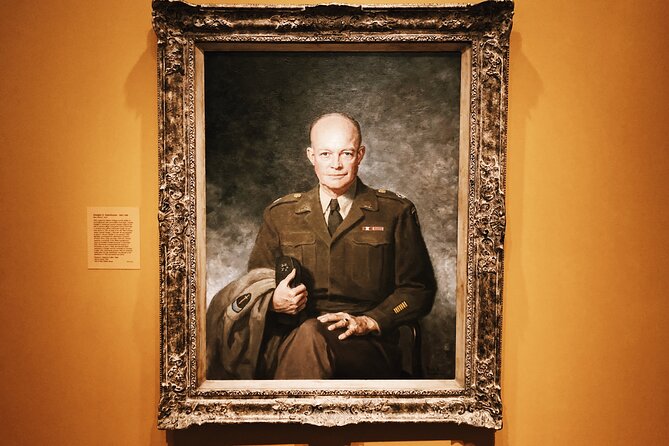
The second museum stop shifts from national promises to national personalities. In the Presidential Portrait Gallery, you see official portraits and hear stories about the people who occupied the office.
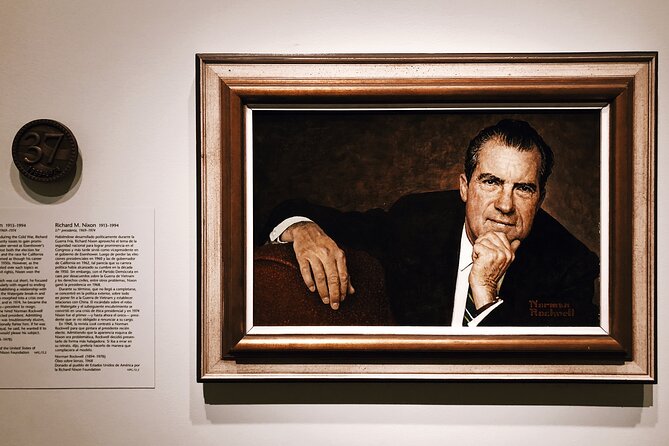
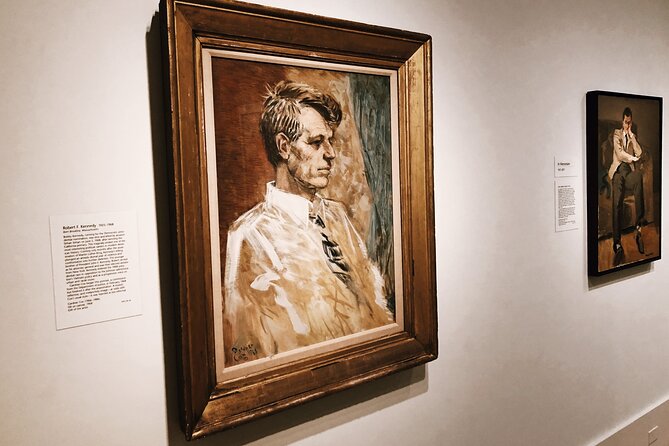
Presidential portraits are rarely neutral. The pose, clothing, setting, expression, and scale all help create a public image. A guide can point out those choices and explain why one president may be presented as solemn, forceful, thoughtful, or approachable.
The collection also gives you a chance to consider how presidents fit into the wider American story. The point is not simply to recognize faces. It is to see how leadership gets turned into visual memory.
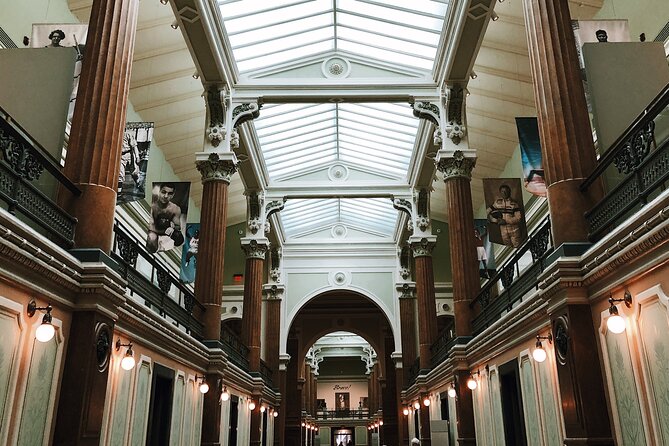
The building is home to both the National Portrait Gallery and Smithsonian American Art Museum. Their collections connect through the interior, with the Kogod Courtyard providing a calm central space. That courtyard is a welcome change from the formal tone of the Archives and presidential galleries.
You should expect a broad selection rather than a single narrow theme. Portraits appear in painting, sculpture, and video. The guide’s route helps you avoid wandering without direction, though you will not see every work in a five-hour combined visit.
Mary Cassatt, Edward Hopper, Andy Warhol, and Norman Rockwell
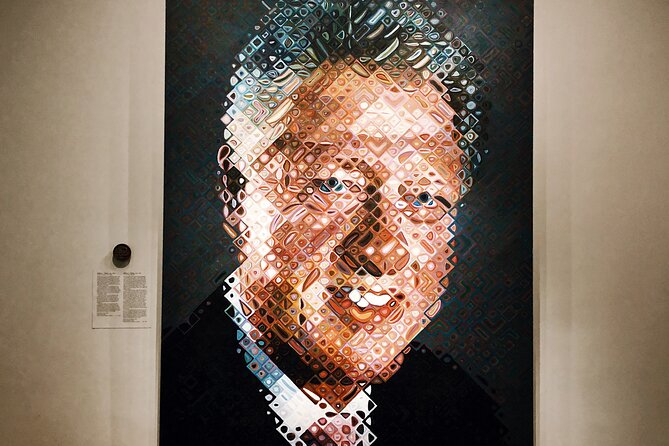
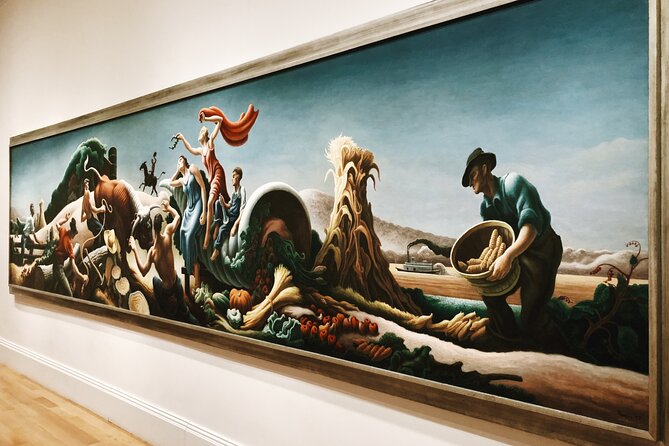
The American Art portion adds artists whose styles and subjects are very different. Mary Cassatt brings intimate views of people and domestic life. Edward Hopper is associated with quiet, solitary scenes. Andy Warhol turns modern public images into art. Norman Rockwell offers familiar pictures of American life, often with a strong storytelling element.
Seeing these names in one tour gives you a useful slice of American art rather than a single period. You may find that a painting you expected to recognize looks different when a guide explains its subject, technique, or place in the collection.
The Luce Center is another stop, with visible storage that lets you see more works than a traditional gallery route might show. The tour also includes a chance to look toward the Lunder Conservation Center labs. The supplied details do not promise access inside working areas, so think of this as a view or introduction, not a behind-the-scenes workshop.
This portion may appeal most to people who usually skip art museums. The route includes famous names, but it also shows how American art covers private life, public fame, social values, and changing ideas about national identity.
What the $174 price really buys
At $174 per person, this is a premium museum tour. The National Archives, National Portrait Gallery, and American Art Museum are Smithsonian institutions, and the basic museum admission is not the main cost you are covering here.
You are paying for a professional local guide, two guided highlights tours, a small group, and skip-the-line access at the Archives. The value depends on how much interpretation you want. If you enjoy reading labels and building your own route, you may prefer visiting independently and spending less.
I see stronger value for a first-time Washington visitor with limited time. The guide gives the day a shape, selects major works, and links political documents with American people and art. A private group can also make it easier to ask questions or adjust the pace.
The price is harder to justify if you expect exclusive access, food, hotel transportation, or every gallery in both museums. None of those are included. Temporary exhibits are also excluded.
There is a minimum of two people required for the tour to operate. If that minimum is not met, you are offered another date or a full refund. Private tours allow no more than eight people according to the practical information, while the title describes a six-person maximum. Confirm the exact group limit before paying if that detail affects your decision.
Who should book this museum pairing
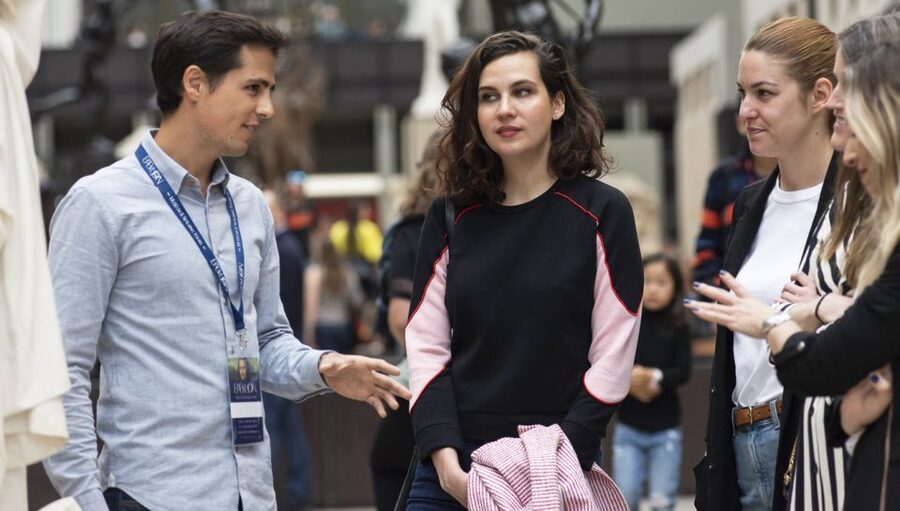
I would recommend this experience to adults, families with older children, and first-time Washington visitors who want a guided introduction to American government and culture. It works especially well if you like connecting objects to larger questions instead of racing through rooms for photographs.
It is also a good fit for a private family group or friends who value conversation. A group of eight or fewer is much easier to manage than a large coach tour.
I would think twice if you dislike long museum visits or prefer to move at your own speed. Five and a half hours, plus the time required to reach the meeting point and handle security, can make for a tiring day.
The accessibility information needs careful attention. The experience is marked as not suitable for wheelchair users, yet the operator asks you to advise them at booking if you require a wheelchair-accessible tour. Contact them before reserving rather than assuming the standard route will work.
One past booking praised a guide named Jennifer, but that account described a Capitol visit rather than the Archives and Portrait Gallery pairing. That mismatch means you should confirm the exact itinerary and meeting instructions in your booking email. Do not assume a Capitol tour is included here.
Should you book the National Archives and Portrait Gallery tour?
Book it if you want a guided story that runs from the Magna Carta and Bill of Rights to presidents and American artists. The pairing is smart, the collections are important, and the small group can make difficult material easier to follow.
Skip it if you are comfortable exploring museums alone, want a low-cost visit, or need a flexible schedule. At $174, the tour earns its price only when the guide is clear, organized, and useful.
Arrive early, carry photo ID, bring water, keep your bag small, and stay close enough to hear. With those precautions, this can be a focused introduction to the ideas, people, and images that shaped the United States.
FAQ
How long does the tour last?
The full experience lasts 330 minutes, or about five and a half hours.
What museums are included?
The tour includes the National Archives Building, the Smithsonian National Portrait Gallery, and the Smithsonian American Art Museum.
What will I see at the National Archives?
You will see the Declaration of Independence, Constitution, and Bill of Rights in the Rotunda. The tour also includes the Rubenstein Gallery and its 1297 copy of the Magna Carta.
Does the tour include presidential portraits?
Yes. The National Portrait Gallery portion includes the Presidential Portrait Gallery and stories about other notable Americans represented in the collections.
Which artists may I see?
The experience highlights works by Mary Cassatt, Edward Hopper, Andy Warhol, and Norman Rockwell.
Is food included?
No. Food and drink are not included. There is a break between the two guided portions for you to get something to eat.
Where do I meet the guide?
Meet at the bottom of the front stairs of the National Archives Building on Constitution Avenue NW.
What should I bring?
Bring a valid passport or photo ID card. Comfortable shoes, a bottle of water, an umbrella in rainy weather, and a hat in summer are also recommended.
Can I bring luggage or a large bag?
No. Large bags and luggage are not permitted through security. A handbag or small, thin backpack is allowed.
What happens if the tour does not operate?
A minimum of two people is required. If that number is not reached, you will be offered an alternative date or a full refund. You can also cancel up to 24 hours in advance for a full refund.
More museums in Washington DC
- Guided African American History Tour with Reserved Museum Entry
★ 4.5 · 1,180 reviews - Smithsonian Museum of Natural History – Exclusive Guided Tour
★ 5.0 · 446 reviews - African American History Tour with Museum of African American History Ticket
★ 4.5 · 390 reviews - National Mall Tour with 10 Stops & U.S. Capitol or Museum Entry
★ 4.5 · 331 reviews
Recently added around Washington DC
- Small Group Washington DC Night Tour★ 4.5 · 3 reviews
- Washington DC Neighborhoods Personalized Self-Guided App Tour★ 3.5 · 3 reviews
- America’s Main Street and White House Private Full-Day Tour★ 5.0 · 3 reviews
- Beyond the Closet Walking Tour★ 5.0 · 3 reviews
- Pirate Ship Treasure Hunt Cruise with Face Painting★ 4.5 · 3 reviews
- Sushi Masterclass in Washington D.C. (Includes 4-Course Meal)★ 5.0 · 3 reviews
- Private Washington DC Grand Tour with Changing of the Guard.★ 5.0 · 3 reviews
- 250th: National Archives & American History Museum Guided Tour★ 5.0 · 3 reviews
National Archives, compared.

VIP Best of DC with US Capitol + National Archives Reserved Entry
Read our review →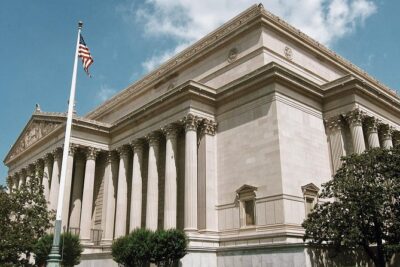
Skip-the-line National Archives Building Exclusive Guided Tour
Read our review →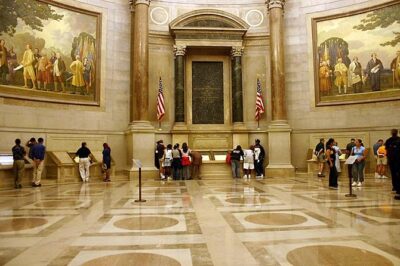
National Archives Skip the Line Guided Tour Semi-Private 6ppl Max
Read our review →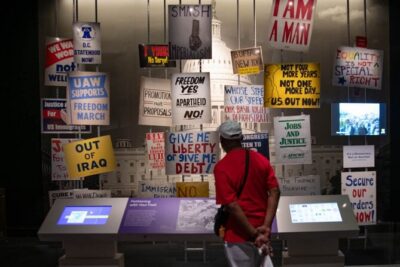
VIP National Archives Skip-The-Line Guided Tour 6 ppl Max
Read our review →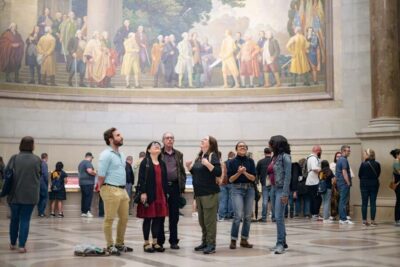
National Archives + American History Museum Tour 8ppl Max
Read our review →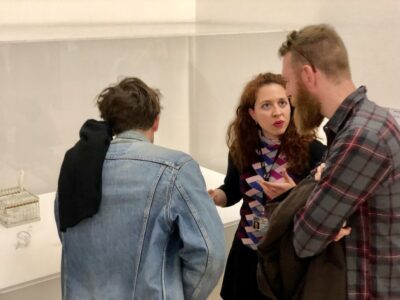
National Archives Skip the Line Tour Semi-Private 6ppl Max
Read our review →Browse the lists this tour appears in