
Reviewed · MUSEUMS
Museum of the Bible Admission Ticket
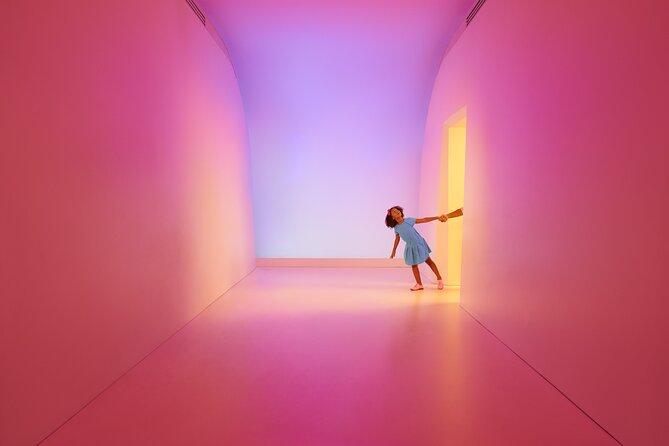
The Museum of the Bible turns a serious subject into a hands-on Washington experience. You can walk through a first-century village, cross a dry Red Sea display, watch large-scale films, and see rare objects linked to Jewish and Christian history. The building is only a few blocks from the National Mall, so it fits neatly into a day of sightseeing.
I like the creative technology and the way the museum moves from ancient writing to modern life. I also like that you can approach it from a faith-based, historical, artistic, or simply curious point of view. The main caution is cost: the ticket covers admission, but several popular attractions require separate payment.
In This Review
- Key points to know before you go
- Why this museum surprises many Washington visitors
- Begin on the third floor for a clearer route
- The fourth and fifth floors bring the stories to life
- Rare artifacts provide the museum’s quiet center
- The second floor makes a good final stop
- General admission versus the paid attractions
- Is the pre-booked ticket worth it?
- Timing, transport, and the five o’clock finish
- Who will enjoy this museum most?
- My practical plan for a better visit
- Should you book the Museum of the Bible?
- FAQ
- Where is the Museum of the Bible?
- How long should I plan for the museum?
- What does the admission ticket include?
- Are guided tours included?
- Is virtual reality included?
- What is Washington Revelations?
- What are the museum’s opening hours?
- Can I cancel for a refund?
Key points to know before you go
- Plan on at least three hours: Two video programs alone can take about an hour, and the museum has several floors to explore.
- Start on the third floor: This route lets you work through the fourth and fifth floors before finishing on the second.
- Expect interactive storytelling: Biblical settings, sound, film, art, and digital displays make this more than a case-after-case museum.
- Check add-on prices first: Guided tours, Washington Revelations, and virtual reality are not included with general admission.
- Compare ticket options: Direct admission may offer student or senior pricing that a third-party booking does not.
- Use the digital guide: It adds background and helps you make sense of displays that can otherwise feel dense.
Why this museum surprises many Washington visitors
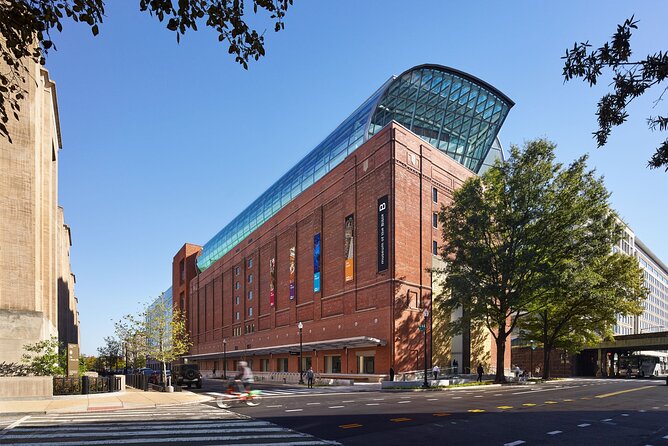
Washington has no shortage of major museums, and the Museum of the Bible can be easy to overlook because it sits a few blocks south of the National Mall. That would be a mistake if you have an interest in religion, books, art, history, or inventive museum design.
The museum presents the Bible as a set of texts, a force in public life, and a source of personal faith. That broad approach gives you more than a lesson in Christian belief. You will also encounter the Jewish foundations of the Bible, the development of written language, the spread of biblical texts, and the continuing influence of scripture in the United States.
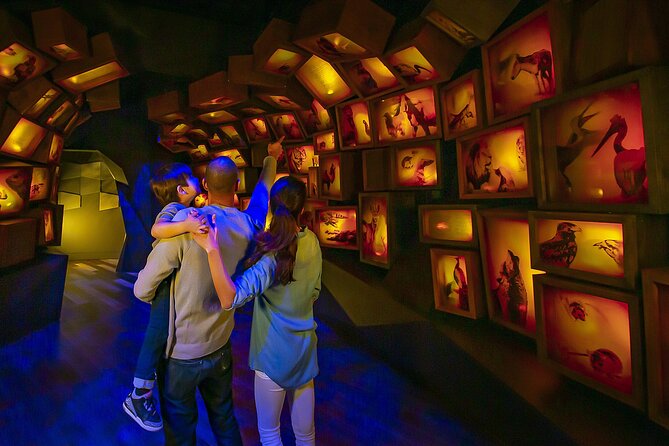
I especially like the range of entry points. You can focus on rare artifacts and writing materials, or you can choose the theatrical displays that bring biblical stories to life. You do not need to be a religious believer to find the history of the book and its influence worth your time.
Still, the tone is not fully neutral in every area. Some displays are clearly designed to inspire faith, particularly those focused on Jesus Christ and the Bible’s spiritual meaning. If you want a strictly secular treatment, you may find parts of the museum more devotional than expected.
More museums in Washington DC:
- Guided African American History Tour with Reserved Museum Entry
★ 4.5 · 1,180 reviews - Smithsonian Museum of Natural History – Exclusive Guided Tour
★ 5.0 · 446 reviews - African American History Tour with Museum of African American History Ticket
★ 4.5 · 390 reviews
Begin on the third floor for a clearer route
The museum covers several floors, and the layout matters. A practical route is to begin on the third floor, continue to the fourth and fifth, and finish on the second floor. This order helps you get your bearings before reaching the most theatrical areas.
The third floor is especially useful because it traces the Bible through time. You may see the story begin with oral traditions and move through early writing systems, cuneiform, papyrus, printed texts, and modern forms. That progression gives the rest of the museum a useful foundation.
I would not rush this floor. The objects are important, but the larger value comes from seeing how a spoken tradition became a written one, then a printed one, and finally something shared through modern media. The museum asks you to think about how a book survives, changes form, and reaches new audiences.
This floor may appeal most to adults, students, and anyone interested in publishing or language. Children may enjoy the interactive features, but younger children could lose interest if you spend too long reading every panel.
The fourth and fifth floors bring the stories to life
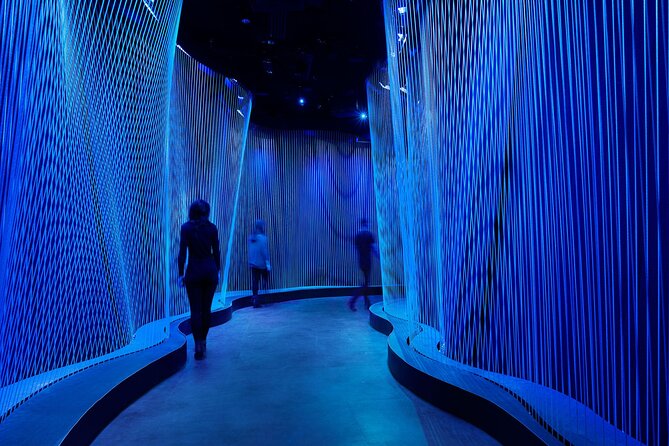
The upper floors lean more heavily into film, sound, art, and staged environments. You might walk through a recreation of a first-century village or encounter displays designed to make biblical settings feel physical rather than distant.
The Red Sea attraction is another memorable touch. Walking on dry land through the scene is simple, but it gives families and younger visitors an immediate way into the story. It is the kind of exhibit that breaks up long stretches of reading and makes the museum feel active.
The museum also uses character transformations and reenactments of biblical times. These displays can feel powerful when the sound, image, and setting work together. They are less useful if you prefer quiet object-based museums, since the presentation can be dramatic and emotionally direct.
Set aside time for the video programs. Two sessions run about 30 minutes each, and one large film has been praised as a highlight of the experience. The practical problem is that the film schedule and location may not be obvious when you first enter. Ask staff where and when the programs run so you do not miss one.
If you have only two hours, choose carefully. The third-floor history section plus one film may be a better plan than trying to race through every floor.
Rare artifacts provide the museum’s quiet center
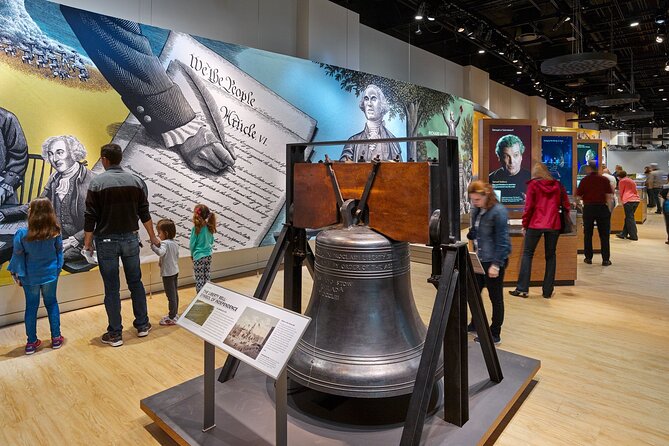
The theatrical displays attract attention, but the rare objects give the museum its strongest historical weight. Exhibits include artifacts connected with Israel and the Vatican, along with examples showing how biblical texts were written, copied, preserved, and circulated.
The details matter here. A fragment, manuscript, or writing surface can seem small beside a giant video wall, yet these objects connect you to the physical work behind the text. They show that the Bible did not arrive in its present form by magic. It passed through hands, languages, materials, and centuries of preservation.
You will get more from these cases if you slow down and read the labels. The museum’s digital guide can help with that process by adding background and context. The guide is particularly useful when you want more than the short text on the wall.
The collection also gives the museum appeal beyond its Christian focus. The Bible shaped Jewish identity, Christian communities, European art, American politics, education, and popular culture. Seeing the physical record helps explain why this book has had such a broad effect.
A few more Washington DC tours worth a look
- National Mall Monuments Night Tour with 10+ Stops, Entry Tickets
★ 4.5 · 4,863 reviews - National Mall Tour with 10+ Stops, Boat Cruise, Entry Tickets
★ 4.5 · 1,212 reviews - DC: Capitol Hill and Library of Congress Tour with Tickets
★ 4.7 · 1,125 reviews - Washington DC: Arlington Nat. Cemetery Ticket & Tram Tour
★ 4.6 · 544 reviews
The second floor makes a good final stop
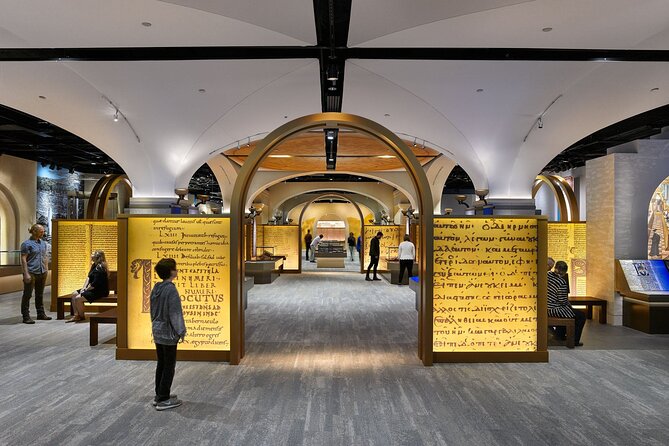
Finishing on the second floor can give your visit a strong closing section. This area ties biblical ideas to later American life and modern culture, helping you connect the ancient material with the country outside the museum doors.
The exact experience may depend on the exhibits and programs operating on your date, but the overall point is clear: the museum is not only about ancient scenes. It also asks what the Bible has meant in the United States and how people continue to use, interpret, and respond to it.
That focus is one of the experience’s most useful features. You are not left with a timeline that ends in the ancient world. Instead, you can consider how scripture has shaped communities and individual lives in the United States.
Some people find this section inspiring. Others may find it more openly religious or patriotic than the earlier artifact galleries. I would treat that as a matter of fit, not a flaw. Know the museum’s purpose before you go, and you will be less surprised by the tone.
General admission versus the paid attractions
Your admission ticket gets you into the museum, but it does not include every experience inside. Guided tours, Washington Revelations, and the virtual reality program are separate purchases.
This is the main value question. General admission can fill three hours without extras, especially if you watch both 30-minute films and take time with the artifact galleries. You do not need to buy everything to have a full visit.
The paid attractions may suit you if you want a more structured presentation or a stronger theatrical effect. The virtual reality experience has been a favorite for some families and couples, while the guided tours can add useful direction if you prefer someone to explain the displays as you go.
The trouble is that the extra costs can add up quickly. The price of the additional attractions has been described as exceeding the original admission cost, and one family paid about $82 for three extra attractions. That is a large increase for a family budget.
My advice is simple: decide before entering how much you want to spend. Ask for the current price of each option, then choose one or two that match your interests. Do not assume the ticket includes the films, virtual reality, or special presentations.
The museum also has a restaurant, which can be handy if you need a break. Food quality and service can vary, so I would treat it as a convenient pause rather than a reason to visit.
Is the pre-booked ticket worth it?
The attraction is worth seeing, but the advance ticket may not always be the best deal. The booking information promises confirmation at the time of purchase, yet some ticket holders have still had to wait in the same security and admission lines as people buying at the door.
That weakens the main benefit of pre-booking. If you still need to go through security and then queue at the ticket desk, you may not save much time. You may also miss a cheaper student or senior rate available when buying directly.
One ticket holder who was 67 paid an adult online rate and missed a $5 senior discount. Families should also check student pricing for children before committing to a flat adult-style rate.
Prices can change, so compare the current direct price with the third-party price before booking. Pre-booking can still help you secure a date or provide a confirmed reservation, but do not assume it guarantees priority entry.
Keep your confirmation available on your phone. One family had a stressful wait while staff located a last-minute ticket purchase in the museum’s system. A saved confirmation, rather than relying on a message to arrive later, is the safer plan.
Timing, transport, and the five o’clock finish
The meeting point is 400 4th Street SW, Washington, DC 20024. The museum is near public transportation and only a few blocks from the National Mall, making it easy to combine with other central Washington sights.
The listed opening schedule is Monday through Saturday, 9:00 a.m. to 5:00 p.m. The museum closes strictly at 5:00 p.m., so do not arrive late in the afternoon expecting to see everything. For a comfortable visit, arrive in the morning or allow a solid three hours before closing.
Parking needs care. Street parking signs can be confusing, especially near areas marked for drop-off only. Read every sign before leaving your car, and do not assume that a paid space is legal for the whole length of the block.
Most people can take part, and service animals are allowed. The experience requires good weather under its stated policy, and a weather cancellation offers either another date or a full refund. That condition is unusual for an indoor museum, so check your booking terms if severe weather threatens your Washington plans.
Who will enjoy this museum most?
I would recommend it to families who want more action than a traditional gallery can provide. The sound, films, staged settings, and interactive rooms give children several ways to stay involved, though the reading-heavy sections may work best for older children and teenagers.
It also suits adults interested in Christianity, Judaism, books, American culture, archaeology, and the history of ideas. The museum gives believers room for reflection while also offering nonbelievers a look at one of the most influential books in Western society.
Couples and solo visitors can enjoy it too, especially if they are willing to spend time with the artifacts and films rather than treating it as a quick stop. I would not choose it for someone who wants only secular political history or a small, quiet collection.
Three hours is a sensible minimum. Four hours may be better if you want both films, all the major floors, and a meal break. Some people could spend most of a day here, but you should balance that with the many other museums and monuments nearby.
My practical plan for a better visit
Here is how I would handle the day:
- Check the direct admission price and any senior or student rates before buying online.
- Save the ticket confirmation to your phone.
- Arrive with enough time for security and ticket processing.
- Ask staff about film times as soon as you enter.
- Start on the third floor, then move to the fourth and fifth.
- Finish on the second floor.
- Choose paid attractions only after checking their prices.
- Allow extra time before 5:00 p.m., since closing is strict.
This plan protects you from the two biggest frustrations: missing a major presentation and paying for extras you did not expect.
Should you book the Museum of the Bible?
Book the museum if you want an interactive look at the Bible’s origins, preservation, spiritual meaning, and influence in the United States. The best parts are the combination of physical artifacts and modern presentation, plus the freedom to explore at your own pace.
I would be cautious about booking the advance ticket without comparing rates. The museum itself receives strong approval for its exhibits, staff, films, and family appeal, but the third-party ticket may not save time or money. Buy ahead only if the price and date work clearly in your favor.
For a first visit, I would pay for general admission, plan three to four hours, and select at most one add-on after seeing what interests you. That gives you the full museum experience without letting surprise costs take over the day.
FAQ
Where is the Museum of the Bible?
The ticket redemption point is 400 4th St SW, Washington, DC 20024, USA. The museum is a few blocks from the National Mall and near public transportation.
How long should I plan for the museum?
Plan on about three hours. You may want four hours if you watch both 30-minute video programs, explore every floor, and take a break for food.
What does the admission ticket include?
The ticket includes admission to the Museum of the Bible in Washington, DC.
Are guided tours included?
No. Guided tours are listed as add-on experiences and are not included with general admission.
Is virtual reality included?
No. The virtual reality experience requires an additional payment.
What is Washington Revelations?
Washington Revelations is an add-on experience at the museum. It is not included in the standard admission ticket.
What are the museum’s opening hours?
The listed hours are Monday through Saturday, 9:00 a.m. to 5:00 p.m., for the operating periods provided.
Can I cancel for a refund?
Yes. You can cancel at least 24 hours before the experience start time for a full refund. Cancellations or changes made within 24 hours are not accepted for a refund.
Recently added around Washington DC
- Small Group Washington DC Night Tour★ 4.5 · 3 reviews
- Washington DC Neighborhoods Personalized Self-Guided App Tour★ 3.5 · 3 reviews
- America’s Main Street and White House Private Full-Day Tour★ 5.0 · 3 reviews
- Beyond the Closet Walking Tour★ 5.0 · 3 reviews
- Sushi Masterclass in Washington D.C. (Includes 4-Course Meal)★ 5.0 · 3 reviews
- Pirate Ship Treasure Hunt Cruise with Face Painting★ 4.5 · 3 reviews
- Private Washington DC Grand Tour with Changing of the Guard.★ 5.0 · 3 reviews
- 250th: National Archives & American History Museum Guided Tour★ 5.0 · 3 reviews
Museums, compared.
Guided African American History Tour with Reserved Museum Entry
Read our review →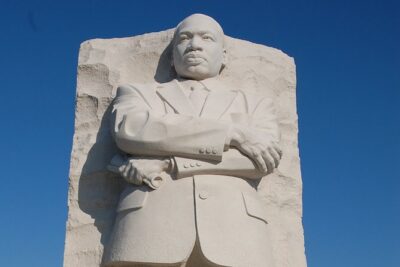
African American History Tour with Museum of African American History Ticket
Read our review →
National Mall Tour with 10 Stops & U.S. Capitol or Museum Entry
Read our review →
Smithsonian Museums Walking Tour with Reserved Air & Space Entry
Read our review →
U.S. Capitol Tour with Library of Congress or Capitol Museum
Read our review →
Smithsonian Museum of American History Exclusive Guided Tour
Read our review →
The Smithsonian National Air & Space Museum Exclusive Guided Tour
Read our review →
Smithsonian Museum of Natural History Small Group Tour: 8ppl Max
Read our review →Browse the lists this tour appears in