
Reviewed · FOOD & DRINK
DC’s Original Food & History Neighborhood Tour
U Street gives you a different Washington, one shaped by jazz clubs, neighborhood restaurants, murals, and the people who kept the area moving through hard times. This three-hour food and history walk takes you beyond the monuments to the former Black Broadway, with tastings that help explain the neighborhood rather than simply fill your stomach.
I like the small group, limited to eight people, and the way the tour connects food with the Civil Rights story, street art, and changing architecture. I also like that the tastings are intended to make up lunch, with vegetarian choices and food allergy accommodations available. The main thing to consider is the walking: you cover about three miles, and the tour runs rain or shine.
In This Review
- Key points to know before booking
- Why U Street is a better food tour setting than downtown
- Starting at Ben’s Chili Bowl
- Walking through the former Black Broadway
- Food stops that explain the neighborhood
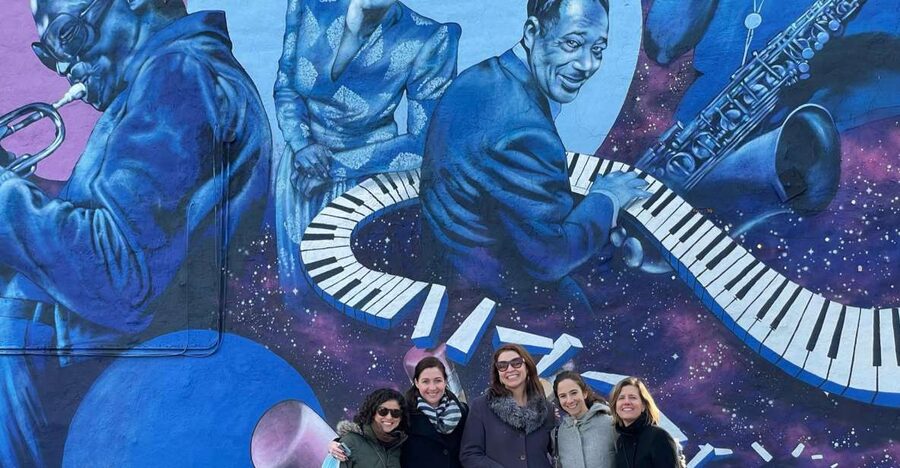
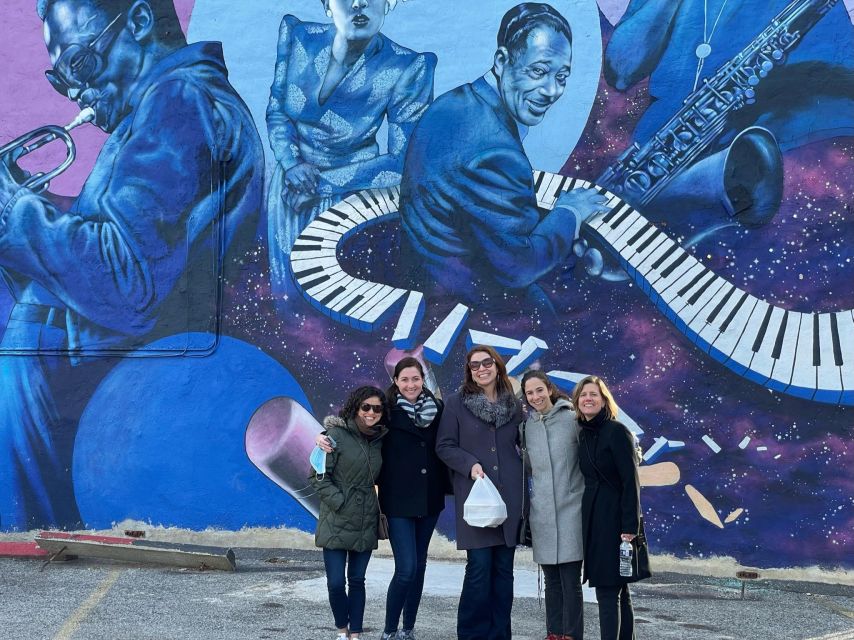
- Murals, sculptures, and U Street’s visual story
- The guide can shape the whole afternoon
- What the $112 price really covers
- Practical details that affect your comfort
- Who should book this U Street food tour
- Should you book DC’s Original Food & History Neighborhood Tour?
- FAQ
- How long is the U Street food and history tour?
- How much walking is involved?
- Where does the tour begin?
- Where does the tour end?
- What food is included?
- Are vegetarian options available?
- Is the tour wheelchair accessible?
- What language is the tour offered in?
- What happens if the weather is bad?
Key points to know before booking
- Three miles through U Street: Expect a walking tour, not a series of seated restaurant visits. Comfortable shoes matter.
- Food with a story: Tastings from local restaurants help explain the neighborhood’s varied culinary roots.
- Black Broadway history: You’ll hear about U Street’s jazz era and the major names connected with its small clubs.
- Art and architecture included: Murals, sculptures, street scenes, and changing buildings are part of the route.
- Small groups feel personal: With no more than eight people, it should be easier to hear the guide and ask questions.
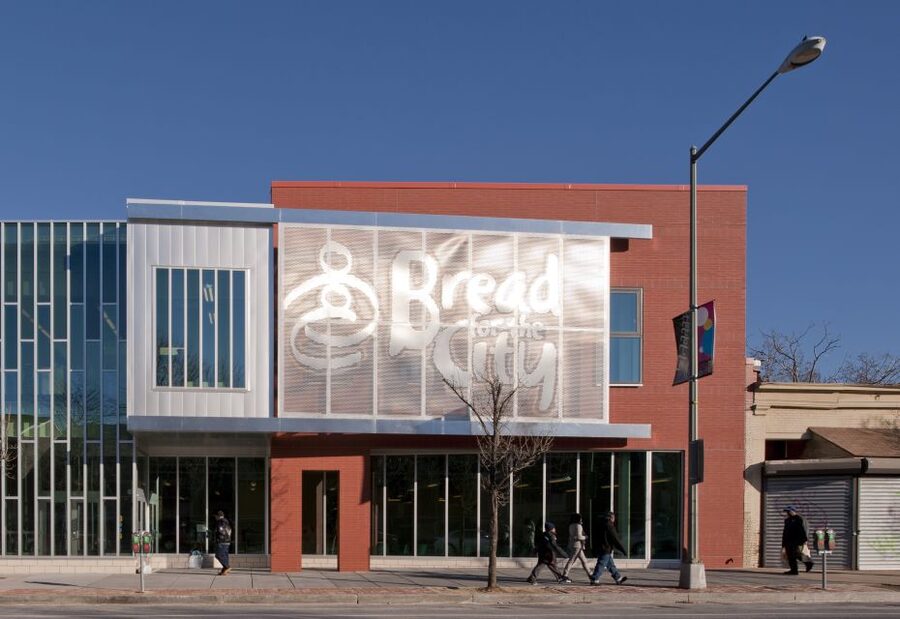
- A useful local contribution: A portion of each ticket supports Bread for the City, which provides food, clothing, legal help, and medical services in Washington.
Why U Street is a better food tour setting than downtown
Washington’s famous core is built for grand views and national stories. U Street gives you something closer to daily city life. Here, the subject is not only what happened in government buildings. It is what happened in clubs, restaurants, apartments, churches, murals, and businesses along one neighborhood corridor.
The tour focuses on the area once called Black Broadway, a name tied to the clubs and performers who made U Street an important center of Black music and culture. You’ll learn how well-known names got their start in the small clubs along this stretch. The tour also covers the Jazz Era and the role U Street played in the wider cultural life of the city.
I like this approach because the neighborhood becomes easier to understand when you connect its food and buildings to its past. A mural is not just a colorful wall. A restaurant is not just a place to grab a bite. Each can point to questions about identity, business, art, race, and change.
The setting also gives the guide room to discuss the Civil Rights riots that changed Washington for years. This is important context, especially if you have only seen the city through memorials and federal buildings. The tour presents U Street as a living neighborhood, shaped by past events but still changing today.
More food tours in Washington DC:
- Gastronomic Georgetown Walking Food Tour
★ 4.5 · 373 reviews - Washington’s Hidden Gems Food Tour with 6+ Tasty Bites
★ 4.5 · 292 reviews - DC’s Original Food and History Walking Tour
★ 5.0 · 255 reviews
Starting at Ben’s Chili Bowl
The tour begins at Ben’s Chili Bowl, at 1213 U Street NW. That makes sense as a starting point because the restaurant is closely tied to the identity of U Street and gives you an immediate introduction to the area’s food culture.
The first tasting sets the tone: this is not a museum lecture followed by a snack. Food is used as an entry into the neighborhood. You’ll start with a familiar DC stop, then move through the surrounding streets as the guide adds historical context.
The opening location is also practical. You can arrive, meet the guide, and get your bearings before the walk begins. Since starting times vary, check the available departure time carefully when booking. You do not want to rush across Washington and arrive just as the group leaves.
The information provided does not specify every dish served at each stop, so I would not book this expecting a fixed menu of named foods. Instead, think of the tastings as a changing selection of local flavors from several restaurants. Vegetarian options are available, and you should share food allergies or other dietary needs when you reserve.
Walking through the former Black Broadway
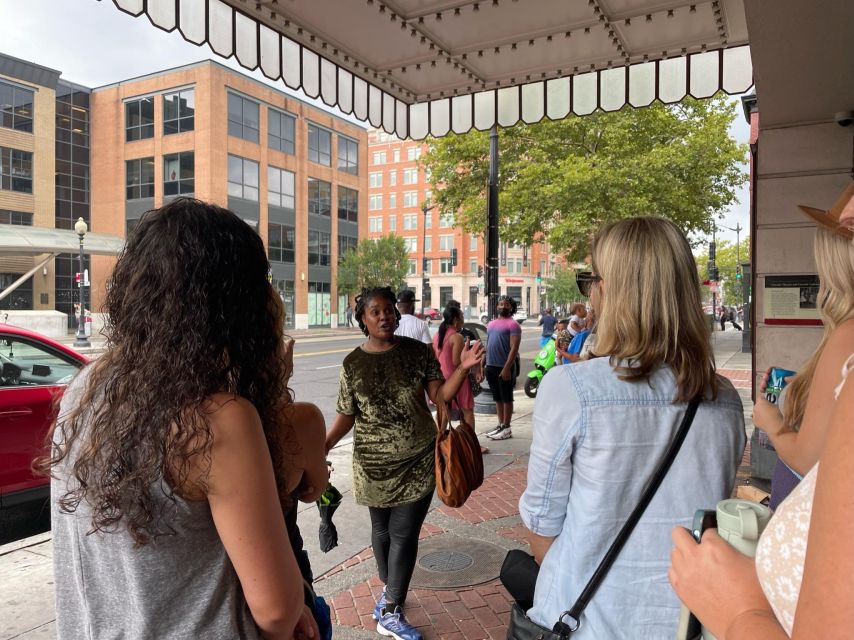
After the first stop, the tour continues along U Street with guided sightseeing and photo opportunities. This is where the neighborhood’s past comes into focus.
The route explores the corridor’s connection to jazz and the clubs that helped make U Street famous. You’ll hear about performers who began in small local venues and about the role the area played during the Jazz Era. The appeal is not just the list of famous names. It is the sense of how a compact neighborhood could support a major cultural scene.
I find this kind of history more useful when it stays tied to the street under your feet. You are not simply hearing about an old entertainment district in the abstract. You are walking through the area, looking at its buildings, and seeing how old and new uses sit beside each other.
The tour also addresses the Civil Rights riots and the long effects they had on the city. That subject can be difficult, but leaving it out would give you a thin picture of U Street. The guide’s job here is to connect social change to the visible form of the neighborhood, including its businesses, buildings, and later redevelopment.
Because the route is about three miles, you should expect a steady walk between tastings. There is time to stop for explanations and photographs, but this is not designed for travelers who want to remain seated most of the afternoon.
Food stops that explain the neighborhood
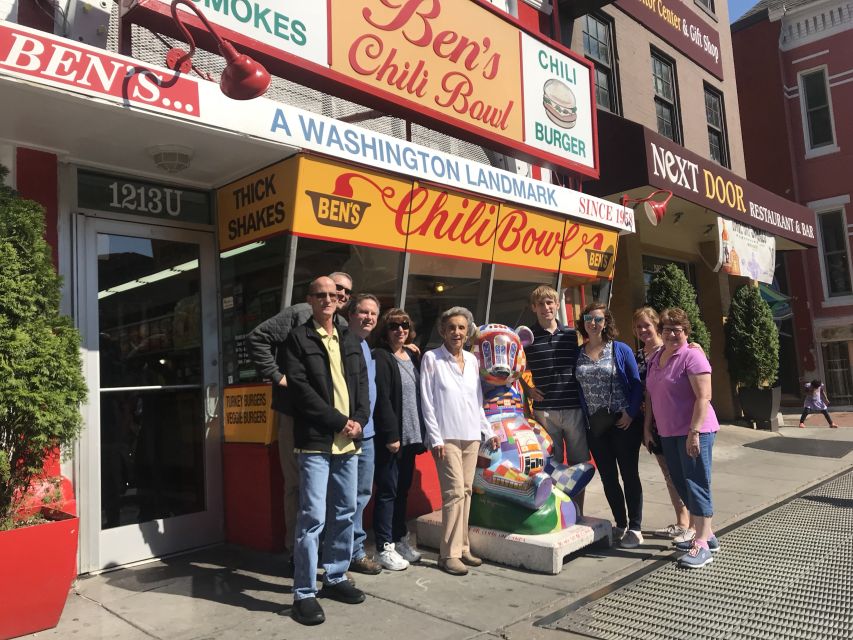
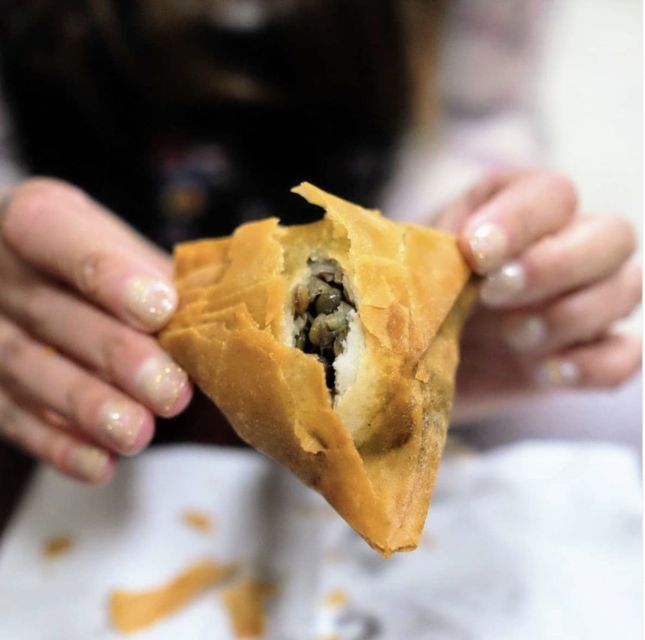
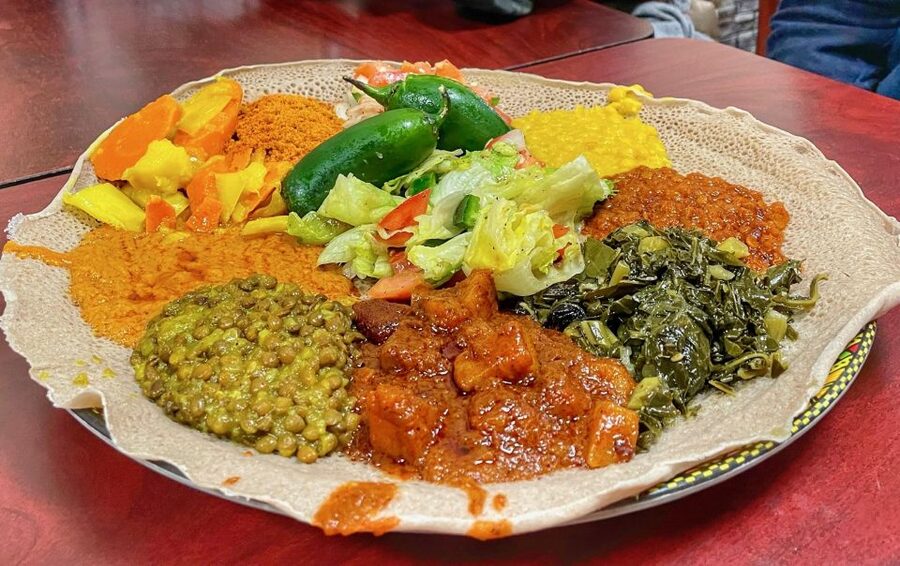
The tastings are the tour’s practical advantage. You receive enough food to serve as lunch, while sampling from different local restaurants rather than relying on one large meal.
That format lets you compare flavors and see how several food traditions contribute to U Street’s identity. The tour description does not promise a particular number of dishes, and the exact food may vary, so keep your expectations flexible. You are paying for a guided food experience, not a restaurant voucher with a guaranteed menu.
I like that the food is paired with place. You can ask the guide where a dish fits into the neighborhood and how local restaurants contribute to its continuing identity. The best moment on a food walk is often the short conversation between bites, when a dish becomes connected to a street, a business, or a community.
Water is included, which is useful during a three-hour walk. Still, dress for the weather and bring whatever personal supplies you normally need for a longer outing. The tour takes place rain or shine, so a forecast calling for bad weather should influence your clothing and comfort expectations.
If you have allergies or follow a vegetarian diet, tell the operator when booking. The tour says accommodations can be made for food allergies and other requirements, but it is always better to give advance notice than to explain your needs at the first restaurant.
Same city, a very different couple of hours:
- DC Memorials Night Tour: Glass-Roof Convertible Upgrade Option
★ 4.5 · 6,933 reviews - National Mall Monuments Night Tour with 10+ Stops, Entry Tickets
★ 4.5 · 4,863 reviews - Washington DC Monuments by Moonlight Tour by Trolley
★ 4.5 · 3,956 reviews - Hop-on Hop-off Sightseeing Tour by Open-top Bus with 18 Stops
★ 3.5 · 3,848 reviews
Murals, sculptures, and U Street’s visual story
The route includes tucked-away murals, sculptures, and the artists behind them. You’ll have several chances to stop for photographs and look more closely at the street art.
This adds welcome variety to the food and history. After hearing about jazz clubs, Civil Rights events, and neighborhood change, you get to see how artists have responded to U Street’s identity. The art helps you notice details you might otherwise pass without a second glance.
The architecture matters too. The tour examines how U Street has changed and how its buildings reflect different periods of the neighborhood’s life. You may find that the most useful part is not one standout structure, but the way the guide helps you read the street as a record of growth, disruption, survival, and redevelopment.
The tour does not present U Street as frozen in its historic heyday. That is a strength. You’ll hear about the area’s past while also considering how it continues to change. If you enjoy city neighborhoods as working places rather than preserved sets, this balance should suit you.
The guide can shape the whole afternoon
The experience depends heavily on the guide. The group is small, and that creates a more conversational feel than a large bus or crowd-based tour.
Rasheed is described as personable and well informed, with a talent for making the history fun and worthwhile. Jim is also noted for a friendly manner, solid local knowledge, and an ability to connect the food with the stories. Guide availability can vary, so you may not receive either of them, but their approach gives you a good idea of the tone to expect.
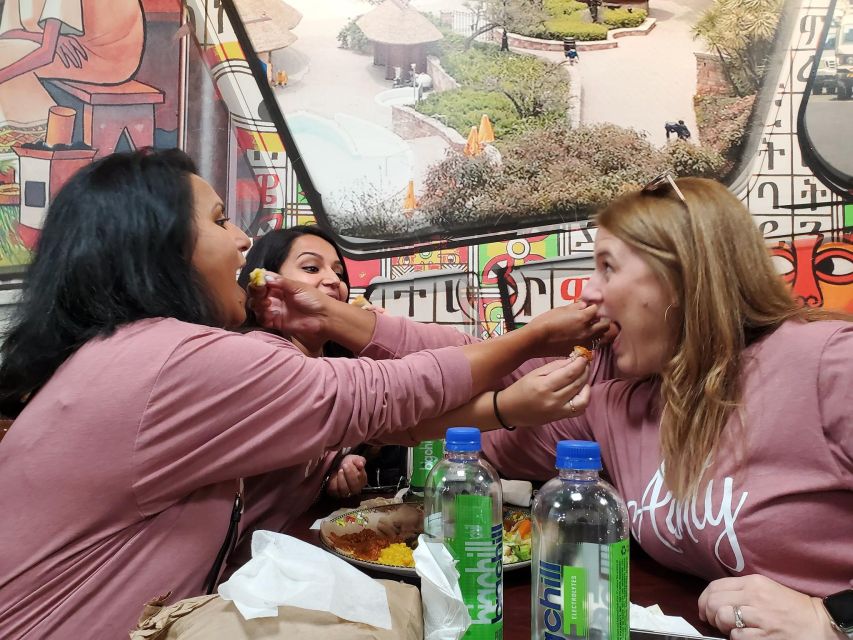
A small group of up to eight people is especially useful on U Street. You should be able to hear explanations near traffic, ask about a mural or building, and stay connected with the group at crossings. It also makes it easier for the guide to respond to dietary concerns and adjust the conversation to your interests.
The tradeoff is that a small-group tour can feel less anonymous. If you prefer to move at your own pace or spend long periods taking photographs, a guided walk may feel structured. For most people, the structure is helpful because U Street rewards context. Without a guide, you might see the food and street art but miss the links between them.
What the $112 price really covers
At $112 per person, this is not the cheapest way to eat lunch in Washington. You could spend less by choosing one restaurant and exploring U Street with a guidebook or audio tour.
The value comes from combining several things in one three-hour outing: a local English-speaking guide, multiple tastings, water, a small group, and a focused introduction to one of Washington’s most important neighborhoods. If the food adds up to lunch and you care about the history, the price becomes easier to justify.
You are also paying for interpretation. The guide helps you understand why U Street matters, how the Black Broadway era shaped the area, and how Civil Rights events affected the city. That kind of context is hard to gain from simply walking past the buildings.
The charitable contribution adds another practical benefit. A portion of every ticket goes to Bread for the City, a local organization that provides food, clothing, legal services, and medical services to DC residents. It does not turn the tour into a charity visit, but it gives part of your payment a direct local purpose.
I would book this for a first or second visit to Washington if you want an afternoon that mixes food with neighborhood history. If your main goal is a long, elaborate meal, the price may feel high. If you want lunch plus a guided look at the real-life city beyond the monuments, the package is more convincing.
Practical details that affect your comfort
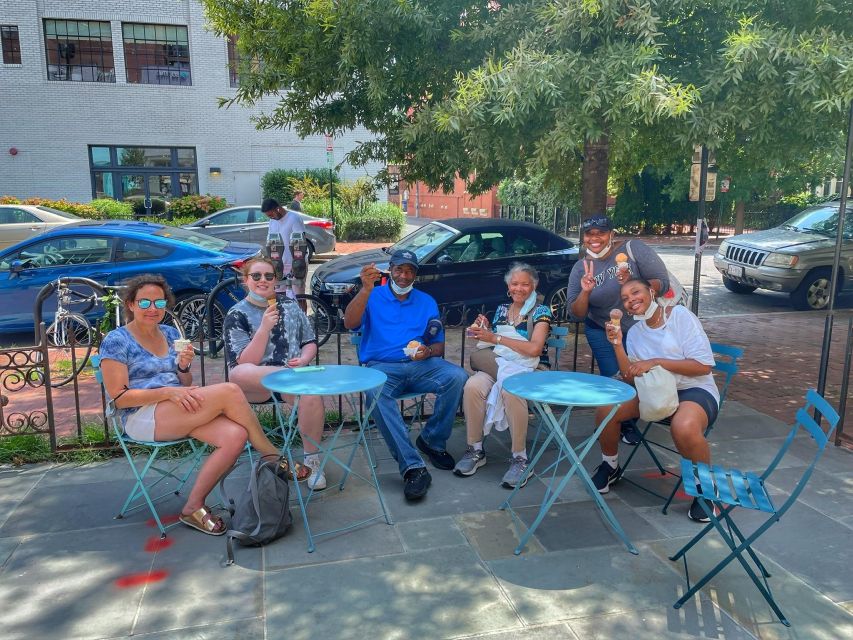
Plan on three hours and roughly three miles of walking. The information also describes the route as covering three miles in two hours, with the full experience lasting three hours, so expect the remaining time to include food stops, explanations, and photo breaks.
Wear comfortable walking shoes. U Street is best experienced on foot, but poor footwear can turn a pleasant food tour into a tiring one. Weather-appropriate clothing is essential because the tour operates rain or shine.
The tour is wheelchair accessible, which makes it more usable for many visitors, though you should still share any mobility needs when booking. The route includes outdoor walking, stops, and restaurant visits, so confirming practical details in advance is sensible.
The tour is in English only. Cancellation is free up to 24 hours before the experience for a full refund, and you can reserve now and pay later. Those policies are useful if your Washington schedule is still shifting, though they should not replace checking the exact departure time and meeting instructions.
The route begins at Ben’s Chili Bowl and the itinerary identifies Colada Shop as the final stop. Booking details also describe the activity as ending back at the meeting point, so confirm the final location when you reserve. That small check can save you from planning an unnecessary pickup or walk afterward.
Who should book this U Street food tour
I would recommend this tour to first-time visitors who have already seen, or plan to see, the National Mall and want a more local side of Washington. It also suits repeat visitors who want a neighborhood-focused afternoon rather than another federal building.
Food-minded visitors should like the variety, especially if they prefer several tastings to one formal meal. History fans will appreciate the focus on Black Broadway, jazz, Civil Rights events, and the area’s changing architecture. Art lovers get murals and sculptures without booking a separate street-art experience.
The tour is also a good fit for couples, families with older children, and solo visitors who prefer a small group. The limited size and conversational format make it easier to ask questions and meet the guide.
I would hesitate if you dislike walking, need a guaranteed detailed menu, or want complete freedom to linger at every art stop. The tour combines food and sightseeing, so neither part receives unlimited time. You should also be prepared for weather changes and outdoor conditions.
Should you book DC’s Original Food & History Neighborhood Tour?
Book it if you want to understand U Street through its food, music, art, architecture, and difficult past, all in one compact outing. The strongest reasons are the small group, lunch-sized tastings, and the guide’s focus on connections rather than disconnected facts.
The tour is especially worthwhile early in your Washington visit. After three hours, you will have a better sense of where U Street fits into the city and may find it easier to return on your own for a longer meal or more time with the murals.
At $112, it asks more than a casual lunch, but it includes food, a local guide, and a clear sense of place. If that combination matches your interests, I would book it. Just wear good shoes, share dietary needs in advance, and confirm the final stop before you go.
FAQ
How long is the U Street food and history tour?
The tour lasts three hours.
How much walking is involved?
You should expect about three miles of walking. The route takes place outdoors and includes guided sightseeing and photo stops.
Where does the tour begin?
The tour begins at Ben’s Chili Bowl, 1213 U Street NW, Washington, DC 20009.
Where does the tour end?
The itinerary identifies Colada Shop as the final stop. The activity information also says it ends back at the meeting point, so confirm the final location when booking.
What food is included?
All tastings and water are included. The tastings come from a variety of local restaurants and are intended to provide enough food for lunch.
Are vegetarian options available?
Yes. Vegetarian options are available, and accommodations can be made for food allergies or other dietary requirements when shared during booking.
Is the tour wheelchair accessible?
Yes, the activity is listed as wheelchair accessible.
What language is the tour offered in?
The tour is conducted in English with a live guide.
What happens if the weather is bad?
The tour takes place rain or shine. Wear weather-appropriate clothing and comfortable walking shoes.
More history tours in Washington DC
- Guided African American History Tour with Reserved Museum Entry
★ 4.5 · 1,180 reviews - DC Monuments & History Guided E-Cart Tour-Blankets
★ 4.5 · 450 reviews - Smithsonian Museum of Natural History – Exclusive Guided Tour
★ 5.0 · 446 reviews - African American History Tour with Museum of African American History Ticket
★ 4.5 · 390 reviews
Recently added around Washington DC
- Small Group Washington DC Night Tour★ 4.5 · 3 reviews
- Washington DC Neighborhoods Personalized Self-Guided App Tour★ 3.5 · 3 reviews
- America’s Main Street and White House Private Full-Day Tour★ 5.0 · 3 reviews
- Beyond the Closet Walking Tour★ 5.0 · 3 reviews
- Pirate Ship Treasure Hunt Cruise with Face Painting★ 4.5 · 3 reviews
- Sushi Masterclass in Washington D.C. (Includes 4-Course Meal)★ 5.0 · 3 reviews
- Private Washington DC Grand Tour with Changing of the Guard.★ 5.0 · 3 reviews
- 250th: National Archives & American History Museum Guided Tour★ 5.0 · 3 reviews
Food & Drink, compared.
Washington’s Hidden Gems Food Tour with 6+ Tasty Bites
Read our review →

Tastes of Georgetown Food & History Small Group Walking Tour
Read our review →
Local Neighborhood Washington DC Food Tour by DrinkEatWalk Tours
Read our review →
Cobblestones & Croissants: A Morning Food Tour in Georgetown, DC
Read our review →Browse the lists this tour appears in